Unlocking the Secrets of Thermoset Plastics for a Sustainable Future
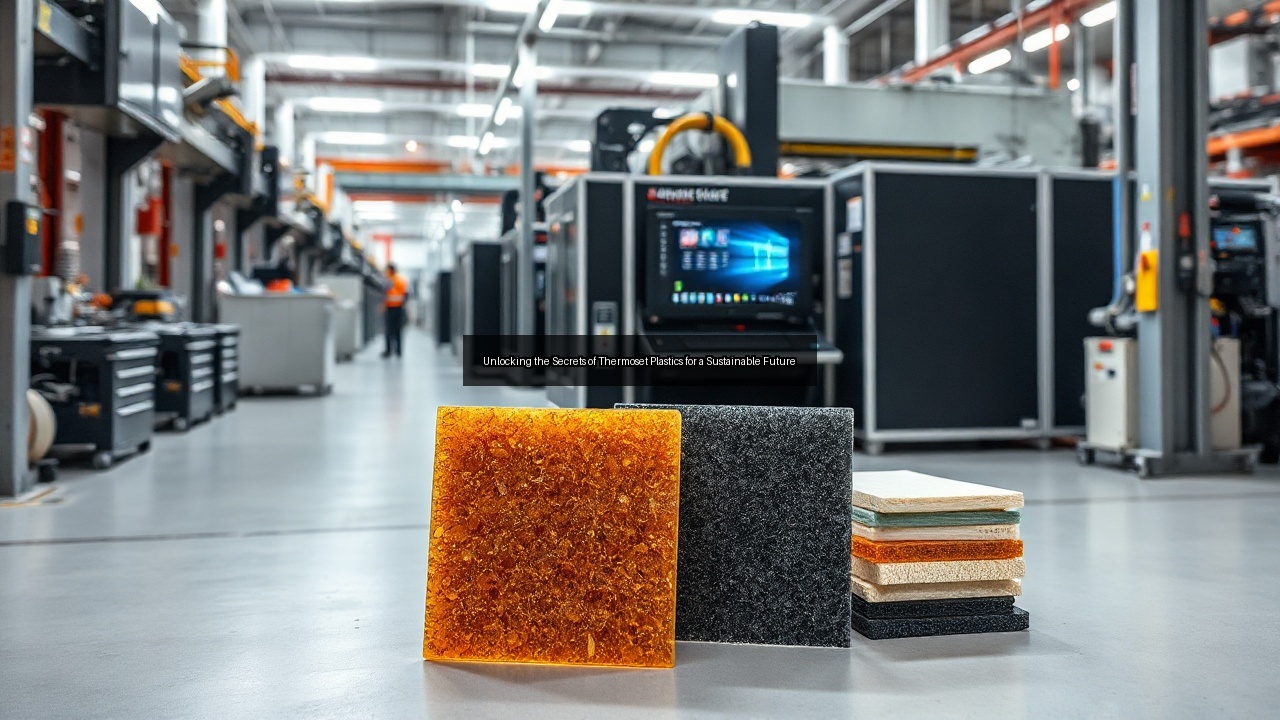
Understanding Thermoset Plastics: A Comprehensive Overview
Chemical Composition of Thermosets
Thermoset plastics rely on specific chemical composition that sets them apart during manufacturing. These materials combine resins with hardening agents that trigger permanent bonds once heat or catalysts activate the process. Engineers select formulations with phenolic, epoxy, or polyester bases because each delivers distinct performance traits. The presence of cross-linking agents creates rigid networks that resist melting under subsequent heat exposure. Companies optimize these blends for targeted applications in construction and the automotive industry. Proper chemical composition directly influences final strength, thermal stability, and overall durability of finished components. Manufacturers adjust ratios of fillers and reinforcements to enhance properties without compromising the core thermosetting reaction.
Molecular Structure and Behavior
The molecular structure of thermosets features extensive cross-links that lock polymer chains into fixed positions after curing. This arrangement produces rigid behavior even at elevated temperatures, unlike the chain mobility seen in thermoplastic materials. Thermoset plastics maintain shape integrity because the three-dimensional network prevents sliding or flow. Behavior under stress shows high stiffness and limited elongation before fracture. Designers leverage this molecular structure when they need parts that hold precise dimensions across repeated thermal cycles. The fixed arrangement also contributes to superior chemical resistance against solvents and fuels common in industrial settings. Understanding these traits helps engineers predict long-term performance in demanding environments.
Curing Process Explained
Curing transforms liquid resins into solid thermoset plastics through controlled chemical reactions. Heat, pressure, or ultraviolet light initiates the process that forms irreversible bonds between molecules. Manufacturers monitor temperature profiles closely because rapid curing can trap voids while slow curing wastes production time. The curing process locks in the desired shape permanently, eliminating any possibility of remelting. Automotive suppliers rely on precise curing cycles to produce body panels and under-hood components with consistent quality. Proper control during this stage determines final impact resistance and surface finish. Companies invest in advanced monitoring systems to ensure every batch meets strict specifications for reliability and efficiency.
The Advantages of Thermoset Plastics in Various Industries
Impact Resistance and Durability
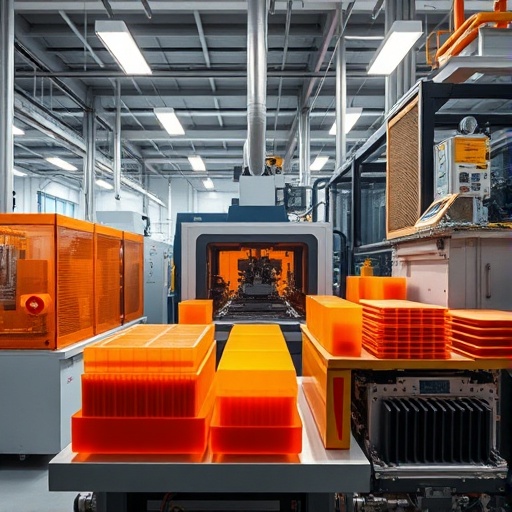
Thermoset plastics deliver exceptional impact resistance that protects components from sudden shocks and repeated loading. Their cross-linked structure absorbs energy without cracking, making them ideal for protective housings and structural parts. Durability extends service life in harsh conditions where metals might corrode or fatigue. Automotive industry engineers specify these materials for bumpers and interior trim because they withstand daily abuse while maintaining appearance. Construction teams use thermoset panels that resist weathering and maintain strength decade after decade. The combination of toughness and longevity reduces replacement frequency and lowers overall maintenance costs. Fabricators appreciate how thermosets retain mechanical properties even after years of exposure to vibration and temperature swings.
Electrical Insulation Properties
Electrical insulation ranks among the strongest attributes of thermoset plastics in electronics and power equipment. The materials prevent current leakage and withstand high voltages without breakdown. Manufacturers mold insulators, circuit boards, and switchgear components that operate safely in demanding electrical environments. Thermosets maintain dielectric strength across wide temperature ranges where other plastics soften or degrade. Automotive industry applications include wiring harnesses and ignition system parts that require reliable insulation near engines. Companies formulate specialized grades with enhanced tracking resistance for outdoor electrical installations. This performance supports compact designs that pack more function into smaller spaces without sacrificing safety margins.
Thermosets in the Automotive Industry
Thermosets serve critical roles throughout the automotive industry where weight reduction and performance matter most. Engineers mold valve covers, intake manifolds, and brake components that endure heat and chemicals under the hood. Vehicles benefit from parts that combine stiffness with vibration damping to improve ride quality. Manufacturing lines run efficiently because thermoset parts release cleanly from molds and require minimal secondary finishing. These plastics also enable complex geometries that reduce part count and assembly time. Suppliers continue developing formulations that meet stricter emissions and recyclability targets while preserving the mechanical advantages thermosets provide over competing materials.
Thermoset Plastics vs. Thermoplastics: Key Differences
Manufacturing Processes: Thermosetting vs. Thermoforming
Manufacturing processes for thermosetting plastics involve irreversible chemical reactions during molding, while thermoforming heats and shapes thermoplastic sheets that cool into final form. Thermoset production requires molds that withstand curing temperatures and pressures, often extending cycle times. Thermoforming offers faster turnaround for simpler geometries because no chemical change occurs. Fabricators choose thermosetting routes when permanent heat resistance and dimensional stability are essential. Companies running high-volume automotive or electrical production often favor thermosets despite longer cycles because the finished parts eliminate post-mold annealing steps. Both approaches demand precise temperature control, yet thermosetting chemistry adds an extra layer of process monitoring to achieve consistent cross-linking.
Performance Characteristics Comparison
Performance characteristics reveal clear distinctions between thermoset plastics and thermoplastics. Thermosets excel in heat resistance and creep resistance, holding shape under continuous load at temperatures that soften thermoplastic materials. Thermoplastics offer easier recycling and rework because they melt repeatedly without chemical change. Impact resistance varies by grade, yet thermosets generally provide superior long-term stiffness. Electrical insulation remains stronger in thermosets across broader environmental conditions. Designers compare these traits when selecting materials for packaging that must survive sterilization or construction elements exposed to weather. The irreversible nature of thermosets limits repair options but guarantees consistent performance once installed.
Application Suitability in Different Sectors
Application suitability guides material selection across sectors. Thermoset plastics dominate electrical insulation, high-temperature automotive parts, and structural construction elements where permanent rigidity matters. Thermoplastics suit consumer goods, flexible packaging, and products requiring repeated forming or recycling. Aerospace companies specify thermoset composites for primary structures because of their strength-to-weight ratio and fatigue resistance. Medical device manufacturers sometimes prefer thermoplastics for single-use items that demand easy processing. Engineers evaluate service temperature, chemical exposure, and end-of-life requirements before committing to either family of plastics. Proper matching ensures optimal efficiency and cost control throughout the product lifecycle.
Innovative Applications of Thermoset Plastics
Thermosets in Construction and Design
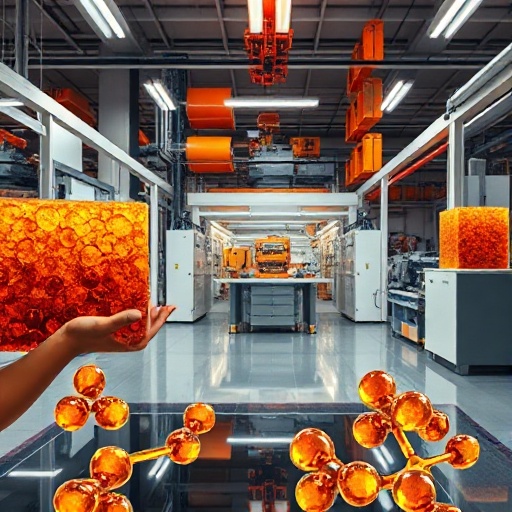
Thermosets in construction deliver durable facades, structural panels, and decorative elements that resist moisture and ultraviolet degradation. Architects incorporate these materials into modern designs because they accept intricate molds that create unique textures and profiles. Building codes increasingly recognize thermoset polymers for their fire performance and low smoke generation. Fabrication shops produce custom beams and cladding that install faster than traditional alternatives. The stability of cured thermosets prevents warping in large spans, supporting creative design freedom. Contractors report lower lifetime costs due to minimal maintenance needs. These advantages position thermoset plastics as reliable choices for both residential and commercial projects seeking longevity.
Packaging Solutions with Thermoset Materials
Packaging solutions benefit from thermoset materials when rigidity and barrier properties outweigh the need for flexibility. Protective cases for industrial equipment and reusable transport containers demonstrate excellent impact resistance and chemical compatibility. Manufacturers mold tight-fitting inserts that secure delicate components during shipping. Thermoset polymers maintain clarity or color stability through repeated cleaning cycles, extending package usability. Companies develop thin-wall thermoset options that reduce material volume while preserving strength. These solutions compete effectively against metal and wood in specialized markets where durability justifies higher initial cost. The permanent shape retention ensures consistent protection across supply chains.
Custom Fabrication Techniques for Thermoset Polymers
Custom fabrication techniques for thermoset polymers expand design possibilities beyond standard molding. Compression and transfer molding produce high-strength parts with embedded reinforcements. Resin transfer methods allow large, complex shapes with excellent fiber wet-out for maximum mechanical performance. Post-cure machining creates precision features that meet tight tolerances in aerospace and medical applications. Fabricators combine thermosets with inserts or overmolding to integrate multiple functions into single components. Advanced techniques such as additive manufacturing with thermosetting resins now enable rapid prototyping of functional parts. These methods give engineers freedom to optimize geometry for weight, strength, and thermal management simultaneously.
The Future of Thermoset Plastics in a Sustainable World
Efficiency and Environmental Impact
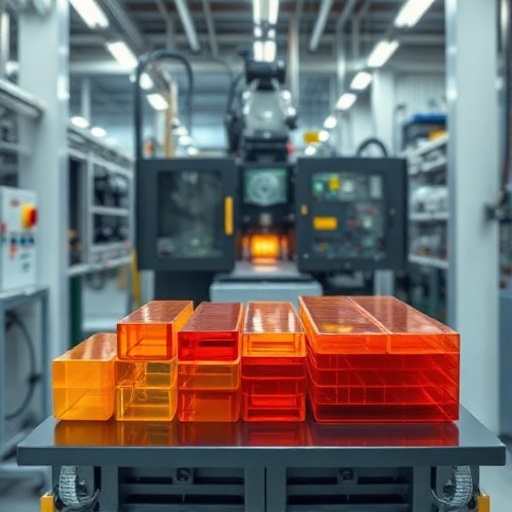
Efficiency gains from thermoset plastics reduce energy consumption during both manufacturing and product use phases. Lightweight thermoset components in vehicles lower fuel demand across the automotive industry. Longer service life decreases replacement frequency and associated waste streams. Emerging bio-based resins lower the carbon footprint of new thermoset formulations without sacrificing performance. Companies track lifecycle metrics to quantify these environmental benefits and guide material development priorities. Optimized curing cycles shorten production times and cut energy use per part. These combined factors position thermosets as contributors to broader sustainability goals in multiple industries.
Emerging Technologies and Innovations
Emerging technologies focus on recyclable thermosets that break cross-links on demand while retaining original performance during use. Researchers develop vitrimer systems that allow reprocessing similar to thermoplastics yet deliver thermoset-level heat resistance. Nanotechnology reinforcements enhance strength and thermal conductivity, opening new applications in electronics cooling and energy storage. Smart thermoset polymers that change properties under external stimuli add functionality for sensors and adaptive structures. These innovations expand the addressable market for thermosetting polymers while addressing end-of-life concerns. Continued investment in process automation further improves consistency and reduces scrap rates.
Role of Companies in Advancing Thermoset Solutions
Companies drive progress by collaborating with research institutions to commercialize next-generation thermoset plastics. Leading manufacturers invest in closed-loop recycling pilots that recover valuable fillers and resins from end-of-life parts. Automotive suppliers integrate more thermoset components to meet weight and emissions targets. Construction firms specify advanced thermoset polymers that improve building efficiency and resilience. Packaging producers explore hybrid designs that combine thermoset rigidity with recyclable elements. These corporate initiatives accelerate adoption of sustainable thermoset solutions across global supply chains and demonstrate practical pathways toward circular economy principles.