Unlocking the Secrets of Food Grade Lubricants for Safe Food Processing
Understanding Food Grade Lubricants
What Are Food Grade Lubricants?
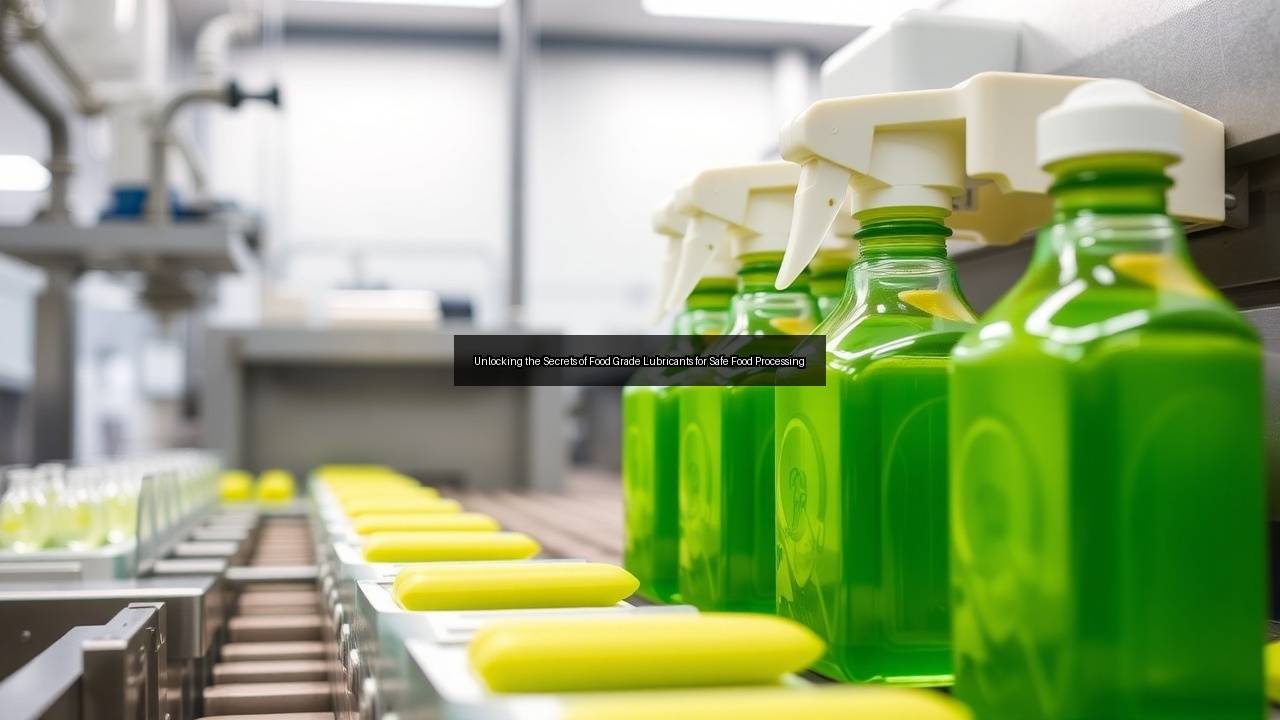
Food grade lubricants stand as essential components in the food processing industry, designed specifically to reduce friction and wear in machinery without posing risks to human health. Manufacturers produce these specialized products using base oils and additives that meet stringent purity standards, ensuring they remain safe even if incidental contact with food occurs. Unlike standard industrial lubricants, food grade versions undergo rigorous testing to avoid toxic contaminants, making them ideal for environments where hygiene reigns supreme. Professionals in food production rely on these lubricants—often simply called food-grade lubricant or lube—to keep equipment running smoothly while upholding the highest safety protocols. The formulation typically includes white mineral oils, synthetic esters, or polyalphaolefins, all approved for use in food-contact areas. This focus on safety transforms routine maintenance into a safeguard against contamination, allowing processors to maintain efficiency without compromise. Experts emphasize that selecting the right food grade lubricant prevents costly recalls and builds consumer trust. In practice, these products excel in high-speed conveyors, mixers, and packaging lines, where any lubricant failure could spell disaster. By prioritizing non-toxic ingredients, the industry ensures that every drop of lube contributes to both operational reliability and product integrity. Food grade lubricants thus represent a cornerstone of modern food safety practices, blending performance with precaution in every application.
Importance of Food Safety in Lubrication
Food safety drives every decision in lubrication choices for processing plants, as even minor contamination from lubricants can lead to severe health risks and regulatory violations. Processors prioritize food grade lubricants to eliminate hazards like bacterial growth or chemical leaching that plague ordinary greases and oils. This commitment extends beyond compliance; it protects brand reputation and consumer well-being in an era of heightened scrutiny. Lubricants for food processing must withstand extreme temperatures, pressures, and moisture without breaking down into harmful byproducts. Industry leaders stress that improper lubrication accelerates equipment wear, increasing the chance of metal particles entering the production line—a direct threat to food safety. By integrating food grade options, facilities reduce downtime and enhance overall hygiene standards. Maintenance teams train rigorously to apply these lubricants correctly, recognizing that lube integrity directly correlates with product purity. In high-stakes environments like dairy or meat packing, where cross-contamination looms large, food grade lubricants serve as invisible guardians. They enable seamless operations while aligning with global standards that demand zero tolerance for adulterants. Ultimately, embedding food safety into lubrication strategies not only meets legal requirements but also fosters innovation in cleaner, more reliable processing methods. This proactive approach ensures that every machine hums efficiently, safeguarding the journey from raw ingredients to finished goods.
Regulatory Compliance: The Food Safety Modernization Act
The Food Safety Modernization Act (FSMA) revolutionizes how food processors approach lubricants, mandating preventive controls to minimize contamination risks throughout the supply chain. Enacted to shift focus from reaction to prevention, FSMA requires facilities to evaluate and implement food grade lubricants that comply with NSF International categories—H1 for incidental contact and HX-1 for indirect additives. Processors must document lubricant usage, ensuring every lube and grease meets FDA guidelines for incidental food contact. This act empowers inspections to verify that lubricants for food processing avoid prohibited substances like heavy metals or allergens. Compliance teams audit suppliers regularly, confirming that food grade lubricant formulations adhere to 21 CFR standards. Non-compliance invites hefty fines, shutdowns, and recalls, underscoring the act's role in elevating industry accountability. Food safety experts hail FSMA for standardizing practices, from bakeries to beverage plants, where lubricants play a pivotal role in hazard analysis. Training programs now emphasize FSMA-aligned maintenance, teaching workers to select and store food grade greases properly. As regulations evolve, processors adapt by integrating digital tracking for lubricant inventories, ensuring traceability. This framework not only bolsters public health but also streamlines operations, turning regulatory hurdles into opportunities for excellence. FSMA thus cements food grade lubricants as non-negotiable tools in the quest for uncompromised safety.
Types of Food Grade Lubricants
Food Grade Oils: Characteristics and Uses
Food grade oils deliver vital lubrication in dynamic food processing equipment, boasting low volatility and high thermal stability to handle continuous operations. These clear, odorless fluids, often derived from highly refined mineral bases or synthetics, resist oxidation and maintain viscosity across wide temperature ranges—from freezing storage to hot filling lines. Processors favor them for pumps, gears, and hydraulic systems where grease proves impractical. Key characteristics include NSF H1 registration, ensuring safety upon incidental contact, and compatibility with elastomers to prevent seal degradation. In beverage production, food grade oils lubricate fillers without altering taste or quality. Their non-staining properties make them indispensable in packaging areas, reducing cleanup time and residue buildup. Maintenance crews apply these oils precisely to extend machinery life, cutting energy costs through friction reduction. Compared to general lubricants, food grade oils excel in purity, free from PCBs or dioxins that could contaminate products. Users report fewer failures in high-humidity environments, thanks to water-resistant formulations. As demand grows for lubricants for food, these oils evolve with additives for enhanced performance, like anti-wear agents that protect against metal-on-metal contact. Selecting the appropriate food grade oil viscosity ensures optimal flow, preventing overheating in compressors or bottlenecks in conveyors. This versatility positions food grade oils as workhorses in safe, efficient food handling.
Food Grade Greases: What You Need to Know
Food grade greases anchor lubrication in static and semi-static food processing components, combining base oils with thickeners to form semi-solid barriers against dust, moisture, and wear. These versatile products, typically in NLGI grades 0-3, cling to bearings, slides, and chains, providing long-lasting protection in demanding conditions. Key to their appeal: aluminum complex or calcium sulfonate thickeners that offer superior water resistance and load-bearing capacity without compromising safety. Processors use food grade grease in ovens, freezers, and mixers, where oils alone might migrate. NSF H1 certification guarantees minimal health risks, even if grease contacts edibles. Unlike standard greases, these avoid toxic additives, focusing on clean, colorless formulations that simplify inspections. Application involves grease guns or manual packing, with over-lubrication risks mitigated by purging intervals. In meat processing, food grade greases prevent rust on cutting equipment, ensuring hygienic cuts. Their drop point—often exceeding 500°F—handles heat-intensive tasks like baking lines. Users must consider compatibility with existing systems to avoid reactions that could form sludge. As lubricants for food processing advance, hybrid greases emerge with biodegradable elements for eco-conscious facilities. Understanding shear stability helps select greases that retain consistency under pressure, prolonging service life. Food grade greases thus blend durability with deference to food safety, powering reliable operations across the board.
Comparing Synthetic and Natural Food Grade Lubricants
Synthetic food grade lubricants outperform natural counterparts in extreme conditions, offering engineered precision for high-performance food processing needs. Derived from chemical synthesis, synthetics like PAOs or esters provide superior oxidation resistance and low-temperature fluidity, ideal for refrigerated environments or rapid machinery cycles. Natural food grade lubricants, often vegetable-based, shine in mild applications with their renewability and biodegradability, appealing to sustainability-focused processors. Synthetics excel in longevity, reducing relubrication frequency and maintenance costs in continuous operations like canning lines. However, natural options like those from rapeseed oil match them in lubricity for lighter loads, minimizing environmental impact during disposal. Cost-wise, synthetics command a premium but deliver ROI through extended equipment life and fewer contaminants. Both types meet H1 standards, yet synthetics handle wider viscosity indexes, adapting to temperature swings without thickening or thinning excessively. In bakery settings, natural lubricants prevent flavor transfer, while synthetics suit pharmaceutical-grade dairy. Processors weigh factors like allergen potential—synthetics often edge out with hypoallergenic profiles. Testing reveals synthetics' edge in anti-wear properties, crucial for gears under heavy loads. As the market for food grade lubricants expands, hybrids combining natural bases with synthetic enhancers bridge gaps, offering balanced performance. This comparison guides selections, ensuring lubricants align with operational demands and regulatory needs for unyielding food safety.
Applications in Food Processing
Common Uses of Food Grade Lubricants in Food Processing
Food grade lubricants permeate every stage of food processing, from raw material handling to final packaging, ensuring machinery operates without endangering product quality. In conveyor systems, light food grade oils reduce belt friction, preventing jams that could scatter ingredients. Mixers and blenders rely on greases to lubricate shafts and bearings, maintaining consistent speeds for uniform blends in sauces or doughs. Pumps transporting liquids like juices or milk use hydraulic food grade lubricants to avoid leaks that taint batches. In canning facilities, these products grease sealing mechanisms, guaranteeing airtight closures free of residue. Bakery lines apply food grade greases to oven chains, withstanding heat while avoiding carbonization that contaminates baked goods. Dairy processors favor synthetic food grade lubricants for centrifuges, where high speeds demand low-volatility options. Packaging machines benefit from specialized lubes on form-fill-seal units, enhancing precision without sticky buildups. Even in fruit sorting, lubricants for food processing keep rollers turning smoothly, minimizing bruising. These applications highlight versatility, as food grade greases and oils adapt to wet, dry, or sterile zones. Routine use cuts wear by up to 50%, per industry studies, boosting throughput. Processors integrate them into HACCP plans, verifying that every lube application supports contamination prevention. This widespread adoption underscores food grade lubricants' role in seamless, safe production flows.
Selecting the Right Lube for Different Machinery
Selecting the right lube demands a tailored approach to machinery specifics in food processing, balancing load, speed, and environmental factors for peak performance. For high-speed fillers, low-viscosity food grade oils prevent overheating and ensure fluid delivery without drag. Bearings in slow-moving augers thrive on heavy food grade greases with EP additives to handle shock loads from dense materials like nuts. Temperature dictates choices: heat-resistant synthetics suit extruders in snack production, while low-temp formulas protect freezers from gumming. Compatibility checks rule out lubes that swell seals or react with plastics in modern equipment. Viscosity grading—ISO VG standards—guides selections, matching oil flow to pump pressures in beverage lines. Maintenance logs reveal patterns, prompting switches to water-resistant greases in washdown areas. Cost-benefit analysis favors premium food grade lubricants for critical assets, extending MTBF intervals. Training equips technicians to assess wear signs, like noise or vibration, signaling lube mismatches. In multi-zone plants, color-coded lubes streamline identification, reducing errors. Emerging tech like IoT sensors monitors lube condition in real-time, refining selections dynamically. This methodical process ensures lubricants for food align with machinery demands, fortifying food safety while optimizing efficiency across diverse setups.
The Role of Lubricants in Maintaining Food Safety
Lubricants fortify food safety by creating a contamination-free barrier in processing equipment, directly influencing the integrity of every product batch. Food grade versions eliminate risks from migrating toxins, as their inert compositions resist breakdown into acids or sludge under stress. Regular application prevents metal shavings from bearings, a common adulterant in ground meats or powders. In sterile filling lines, precise lubing maintains seals, blocking pathogen entry points. Audits confirm that compliant food grade lubricants reduce microbial harbors, aligning with GMP protocols. Their non-reactive nature preserves nutritional profiles, avoiding off-flavors in sensitive items like infant formula. Integration into sanitation cycles—flushing old lube before relubrication—ensures cleanliness. Data shows facilities using quality lubricants for food processing report 30% fewer safety incidents. This role extends to traceability, with batch-coded lubes enabling quick recalls if issues arise. Workers don PPE during application to avoid cross-contamination, embedding safety in routines. As FSMA evolves, lubricants evolve too, incorporating antimicrobials for extra protection. Ultimately, they underpin a holistic safety ecosystem, where reliable lubrication translates to trustworthy food on shelves worldwide.
Challenges and Considerations
Potential Contaminants in Food Grade Lubricants
Potential contaminants lurk in even the most vetted food grade lubricants, demanding vigilant sourcing and testing to preserve processing integrity. Trace metals from manufacturing equipment or impurities in base stocks can introduce allergens or toxins if not filtered rigorously. Water ingress during storage dilutes formulations, fostering bacterial growth in humid plants. Additives, though approved, might degrade into byproducts under UV exposure, altering safety profiles. Processors combat this through supplier audits, verifying ISO 21469 certification for hygienic production. In-house labs screen for particulates using spectrometry, catching anomalies early. Cross-contamination risks arise from shared tooling in lube plants, so dedicated lines for food grade become essential. Temperature fluctuations cause separation, concentrating contaminants in reservoirs. Best defenses include sealed packaging and climate-controlled storage, extending shelf life. Recalls tied to lubricant impurities highlight the stakes—think 2018 incidents from oxidized batches. Training stresses immediate reporting of off-spec lubes, like unusual odors. As global supply chains lengthen, blockchain tracking emerges to trace contaminants back to origins. Addressing these threats ensures food grade lubricants remain pure allies in safe food production, minimizing health risks at every turn.
Impact of Plastic Components on Lubricant Selection
Plastic components in modern food processing machinery profoundly influence lubricant selection, as incompatible lubes can cause swelling, cracking, or leaching that compromises both equipment and safety. Polymers like polyethylene or PVC in conveyors and hoppers demand non-aggressive food grade lubricants to avoid degradation, which might release microplastics into products. Synthetics often prove gentler than mineral oils, preserving plastic integrity in high-friction zones. Testing per ASTM standards evaluates compatibility, revealing how lubes affect tensile strength over time. In bottle-handling lines, plastic-safe greases prevent slippage without residue on PET surfaces. Heat exacerbates issues, so low-volatility options suit blow-molding machines with plastic molds. Maintenance protocols include periodic inspections for plastic wear, adjusting lube types accordingly. Eco-plastics like biopolymers introduce new variables, requiring lubes with minimal solvent content. Industry shifts toward all-plastic systems amplify this consideration, pushing innovations in neutral formulations. Cost implications arise—specialized lubes for plastics add expense but avert failures costing thousands in downtime. Collaboration with material scientists refines selections, ensuring lubricants for food processing harmonize with plastic advancements. This interplay underscores the need for holistic compatibility, safeguarding machinery longevity and food purity alike.
Best Practices for Application and Maintenance
Best practices for application and maintenance of food grade lubricants maximize efficacy while upholding stringent hygiene standards in food processing. Technicians apply lubes via centralized systems or manual methods, using calibrated dispensers to avoid excess that attracts debris. Pre-application cleaning removes old residues, preventing sludge formation with food-safe solvents. Timing matters—lubricate during shutdowns to minimize exposure risks. Storage in original containers, away from sunlight, preserves potency; FIFO inventory rotation curbs expiration. Documentation tracks usage, facilitating FSMA compliance audits. Color-coding distinguishes food grade from industrial lubes, slashing mix-up errors. Training programs simulate scenarios, teaching purge techniques for over-greased bearings. Environmental controls like dehumidifiers thwart moisture contamination. Predictive maintenance, via oil analysis, detects wear particles early, extending intervals. In washdown areas, waterproof greases and quick-dry oils streamline routines. Vendor partnerships provide customized protocols, tailored to plant layouts. These habits reduce lubricant consumption by 20-30%, per benchmarks, while enhancing safety. Adopting automated monitoring integrates best practices seamlessly, ensuring consistent performance. This disciplined approach transforms maintenance into a proactive shield for food safety and operational excellence.
Future Trends in Food Grade Lubricants
Innovations in Food Grade Lubricant Technology
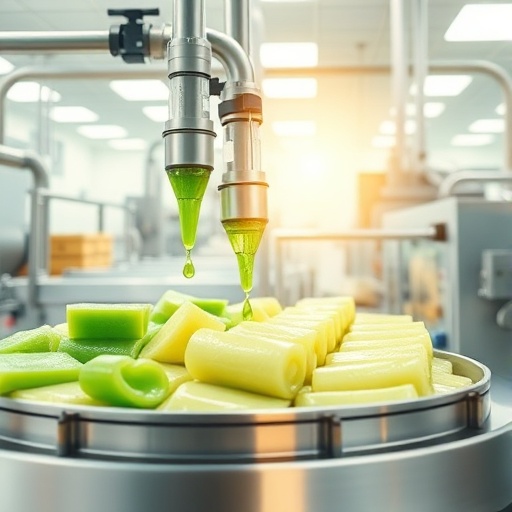
Innovations in food grade lubricant technology propel the industry toward smarter, more resilient solutions for evolving processing challenges. Nanotech additives enhance film strength, reducing friction in micro-precision equipment like capsule fillers. Bio-based synthetics incorporate enzymes for self-healing properties, repairing minor breaches autonomously. Smart lubes with embedded sensors signal depletion via apps, enabling just-in-time reapplication. Phase-change materials in greases adapt viscosity dynamically to temperature shifts, ideal for multi-zone lines. Antimicrobial integrations combat biofilms in dairy pipes without residues. 3D-printing enables custom lube formulations, matching exact machinery specs. Research into graphene-infused oils promises ultra-low wear, extending component life by factors of ten. Halal and kosher certifications expand market reach, with traceability via QR codes. These advancements cut energy use in pumps and conveyors, aligning with efficiency mandates. Collaborative R&D between universities and manufacturers accelerates adoption, from lab to line. As AI analyzes performance data, predictive formulations emerge, preempting failures. This wave of innovation redefines food grade lubricants as dynamic partners in safe, sustainable food production.
Sustainability and Eco-Friendly Lubricants
Sustainability shapes the future of food grade lubricants, with eco-friendly options gaining traction amid environmental pressures and consumer demands. Biodegradable bases from plant oils like soy or algae replace petroleum derivatives, breaking down rapidly without soil harm. Recyclable packaging and low-VOC formulations minimize waste in plants. Carbon-neutral production processes, powered by renewables, appeal to green-certified facilities. Water-miscible lubes reduce rinse needs in cleaning cycles, conserving resources. Lifecycle assessments guide development, ensuring end-of-life disposal aligns with circular economies. Certifications like EU Ecolabel validate eco-claims, boosting marketability. Processors report 15% lower environmental footprints with these lubes, per studies. Challenges like oxidative stability spur R&D into stabilized naturals. Supply chain transparency verifies sustainable sourcing, avoiding deforestation-linked oils. Incentives like tax credits encourage adoption in eco-focused regions. As regulations tighten on emissions, these lubricants position companies as leaders. Integration with renewable energy machinery extends their role, greasing wind-powered mixers sustainably. This trend not only greens operations but also enhances brand loyalty in health-conscious markets.
The Growing Demand for Specialized Food Processing Solutions
The growing demand for specialized food processing solutions fuels rapid evolution in food grade lubricants, catering to niche needs like plant-based or ready-to-eat products. Tailored lubes for extruders handle high-shear in vegan meat analogs, preventing charring. Hypoallergenic variants suit nut-free environments, with zero peanut cross-risks. High-pressure formulations support ultra-high-pressure processing for pathogen kill without heat. Modular systems allow on-site blending, customizing for seasonal crops. Global trade drives international standard alignments, like harmonizing H1 with EU regs. E-commerce boom demands lubes for automated warehousing, enduring constant motion. Aging infrastructure retrofits spur durable, retrofit-friendly options. Market forecasts predict 7% annual growth, driven by emerging markets in Asia. Partnerships with equipment makers co-develop integrated solutions, like pre-lubed bearings. Consumer trends toward transparency amplify needs for clean-label lubes. This demand landscape encourages investment in R&D, yielding breakthroughs like odorless, tasteless variants for gourmet lines. Specialized food grade lubricants thus meet the call for precision, safety, and innovation in a diversifying industry.
See Also
- The Future of Food Grade Lubricants in a Changing Regulatory Landscape
- Innovative Food Grade Lubricants Transforming the Food Industry
- How to Use Food Grade Lubricants Safely in Your Kitchen
- A Deep Dive into the Chemistry of Food Grade Lubricants
- Why Food Manufacturers Can't Ignore Food Grade Lubricants