Unlocking Precision with CNC Swiss Screw Machining Techniques
Understanding CNC Swiss Screw Machining
Definition and Overview of CNC Swiss Screw Machining
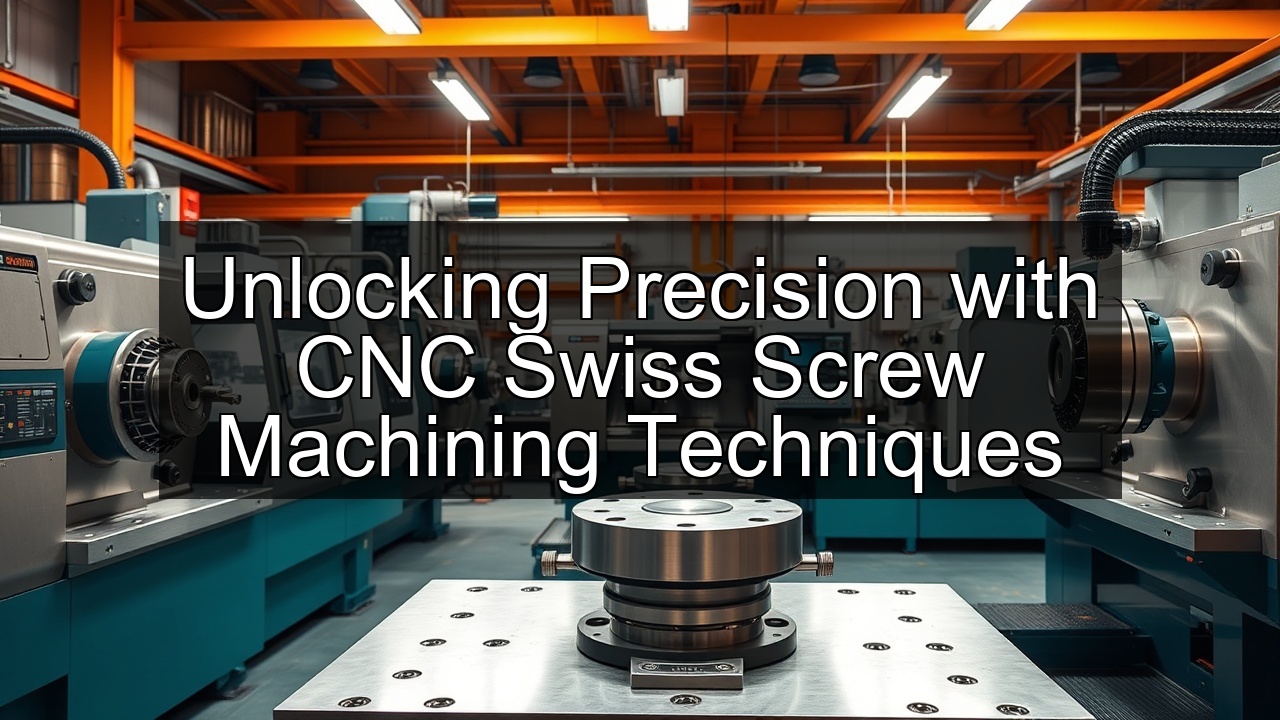
CNC Swiss screw machining transforms raw stock into intricate components with unmatched accuracy. Engineers rely on this process to produce small, complex parts for industries like aerospace, medical devices, and electronics. At its core, CNC Swiss screw machining uses a sliding headstock lathe that supports the workpiece near the cutting tools, minimizing deflection and enabling tolerances as tight as 0.0001 inches. This technique evolved from traditional Swiss screw machines, which originated in Switzerland for watchmaking, but modern CNC versions integrate computer numerical control for automated precision. In CNC Swiss machining, bar stock feeds through a collet into the machine, where tools perform turning, milling, and threading operations simultaneously. This setup excels in high-volume production of screws, pins, and fittings, addressing needs in precision screw machining. Manufacturers choose CNC Swiss for its ability to handle tough materials like titanium or stainless steel without compromising quality. The process starts with programming the CNC controller to dictate tool paths, ensuring repeatable results. As demand grows for miniature components, CNC Swiss screw machining stands out for its efficiency in creating detailed geometries that traditional methods struggle to achieve. Overall, it represents a cornerstone of advanced metalworking, blending heritage craftsmanship with cutting-edge automation.
Key Components of CNC Swiss Screw Machining
The heart of CNC Swiss screw machining lies in its specialized components that work in harmony to deliver precision. The guide bushing supports the bar stock close to the tooling area, reducing vibration and enabling fine cuts. A rotating spindle holds the collet, which grips the material securely during operations like drilling or threading. Multiple tool stations, often on a turret, allow simultaneous machining—turning on one side while milling on another. The tailstock provides additional support for longer parts, preventing whip during high-speed rotation. CNC controls orchestrate everything, from feed rates to spindle speeds, using software like Mastercam for complex programming. In Swiss style lathes, the sliding headstock moves axially, keeping tools aligned with the workpiece for optimal accuracy. Coolant systems flood the cutting zone to manage heat and chip removal, essential in sustained runs. Bar feeders or barloaders automate stock loading, minimizing downtime in production environments. These elements combine to make CNC Swiss screw machining ideal for screw machines that produce threaded fasteners or custom fittings. Machinists appreciate how this setup handles intricate features, such as cross-drilling or polygonal shapes, in a single cycle. Without these integrated parts, achieving the precision required for medical implants or automotive sensors would prove far more challenging.
Benefits of Using CNC Swiss Screw Machining in Metalworking
CNC Swiss screw machining revolutionizes metalworking by delivering superior precision and efficiency in component production. It cuts production times dramatically, often completing parts in seconds that would take minutes on standard lathes. This speed stems from the machine's ability to perform multiple operations concurrently, reducing setup changes and labor costs. In metalworking, where tolerances matter most, Swiss CNC machining maintains accuracy even with slender, long parts that deflect easily elsewhere. Manufacturers benefit from minimal material waste, as the process machines from bar stock with precise cuts, optimizing yield in high-volume runs. Versatility shines through its handling of diverse materials—from soft aluminum to hard carbide alloys—making it indispensable for custom screw machining jobs. Quality improves with automated controls that eliminate human error, ensuring consistent threading and surface finishes. For industries like electronics, where tiny connectors demand flawless execution, CNC Swiss screw machining provides the edge. It also enhances scalability; shops scale from prototypes to mass production without retooling. Environmental perks include reduced energy use per part compared to batch processing. Ultimately, adopting CNC Swiss techniques empowers metalworking operations to meet stringent demands, boost profitability, and innovate in precision engineering.
The Technology Behind CNC Swiss Screw Machining
Swiss Lathes vs. Traditional Lathes
Swiss lathes outpace traditional lathes in precision tasks, especially for small-diameter parts in CNC Swiss screw machining. Traditional lathes fix the workpiece in a chuck and bring tools to it, which works well for larger items but causes deflection in slender stock. Swiss lathes flip this: the workpiece slides through a guide bushing toward stationary tools, supporting it rigidly near the cut. This design, rooted in automatic lathe technology, excels in producing screws and shafts with diameters under 1 inch. In metalworking, Swiss lathes handle complex geometries like multi-start threads or interrupted cuts without chatter. Traditional setups rely on manual adjustments, slowing throughput, while Swiss versions integrate CNC for automated cycles. The result? Tighter tolerances and smoother finishes in less time. For precision screw machining, Swiss lathes reduce scrap rates by stabilizing the bar stock, crucial for high-value materials. Machinists favor them for jobs requiring cross-milling or drilling at angles that overwhelm conventional turrets. As manufacturing evolves, Swiss lathes bridge the gap between artisanal accuracy and industrial scale, making them the go-to for aerospace fittings or surgical tools. Their efficiency in bar-fed operations further cements their superiority over outdated traditional methods.
The Role of CNC in Precision Machining
CNC drives precision machining by automating complex sequences in CNC Swiss screw machining, ensuring flawless execution every cycle. Programmers input designs via CAD/CAM software, translating them into G-code that dictates tool movements down to microns. This control eliminates variability from manual operations, vital for consistent screw machining in demanding sectors. In CNC Swiss setups, the system synchronizes the sliding headstock, turret rotations, and spindle speeds, enabling simultaneous threading and milling. Sensors monitor vibrations and temperatures, adjusting parameters in real-time to maintain accuracy. For metalworking pros, CNC integration means faster prototyping—iterating designs without physical rework. It also supports multi-axis capabilities, like live tooling for off-center features, expanding what Swiss screw machines can achieve. Quality assurance builds in, with built-in inspection routines flagging deviations. As related searches for CNC screw and CNC Swiss machining highlight, this technology underpins high-volume production of precision components. Machinists leverage CNC to push boundaries, creating intricate parts for watches or medical devices that manual methods can't match. The scalability of CNC empowers shops to handle diverse jobs, from simple fasteners to custom collets, all while minimizing errors and maximizing output.
How Swiss Style Lathes Enhance Efficiency
Swiss style lathes boost efficiency in CNC Swiss screw machining by streamlining workflows and maximizing throughput. Their bar-fed design loads stock continuously through a collet, allowing uninterrupted production of screws and pins. Unlike batch-oriented machines, these lathes perform turning, drilling, and milling in one pass, slashing cycle times by up to 70 percent. The guide bushing keeps the workpiece stable, enabling high feed rates without compromising precision in threading or contouring. In metalworking environments, this translates to lower operational costs, as fewer setups mean less downtime. Automation features, like programmable turrets with quick-change tools, let machinists switch between jobs seamlessly. For CNC Swiss applications, efficiency shines in handling long, thin stock—ideal for producing needles or connectors—without tailstock interference. Coolant delivery optimizes chip evacuation, preventing jams in sustained runs. Shops report higher yields and reduced scrap, directly impacting profitability. As interest in Swiss machining grows, these lathes adapt to Industry 4.0 with IoT connectivity for predictive maintenance. Overall, Swiss style lathes redefine efficiency, empowering teams to deliver precision screw machining at scale while adapting to evolving production needs.
Essential Tools and Techniques for CNC Swiss Screw Machining
Overview of CNC Lathes and Mills
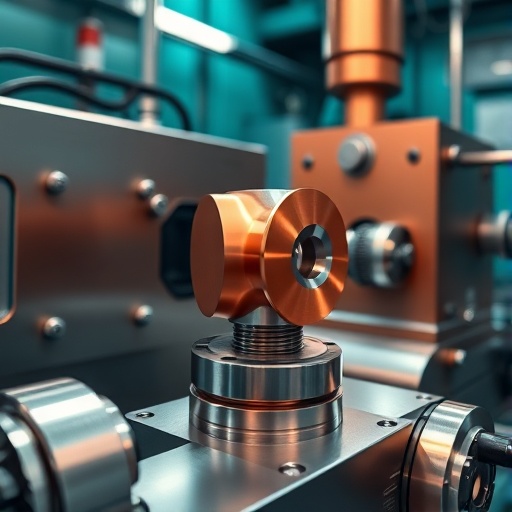
CNC lathes and mills form the backbone of CNC Swiss screw machining, each bringing unique strengths to precision production. CNC lathes rotate bar stock in a collet or chuck while tools shape it via turning and threading, perfect for cylindrical parts like screws. In Swiss configurations, they incorporate sliding mechanisms for supported machining of delicate features. CNC mills, on the other hand, use rotating cutters to remove material from stationary workpieces, excelling in flat surfaces, slots, and complex contours. Integrating both in hybrid setups allows comprehensive processing—lathe for diameters, mill for faces—in one machine. For metalworking, these tools handle everything from carbide stock to soft metals, with spindles reaching 10,000 RPM for fine finishes. Techniques like live tooling on CNC lathes mimic milling actions, reducing transfers. Programmers use Mastercam to simulate paths, avoiding collisions in tight Swiss envelopes. Tailstocks add stability for longer pieces, while vises secure irregular shapes during milling. As searches for CNC mill and CNC lathe reveal, versatility drives their adoption in screw machining. Machinists combine them for end-to-end workflows, producing threaded fittings or milled gears with micron accuracy, streamlining operations and enhancing part quality across industries.
The Importance of Vises and Chucks in Machining
Vises and chucks secure workpieces during CNC Swiss screw machining, ensuring stability for precise cuts. Chucks grip bar stock or finished parts with jaws that adjust for round, hex, or irregular shapes, minimizing slippage in high-speed turning. In Swiss lathes, collet chucks provide superior concentricity, crucial for threading operations where misalignment ruins tolerances. Vises clamp components firmly on milling tables, ideal for secondary ops like facing or drilling on screw heads. Hydraulic or pneumatic versions automate clamping, speeding cycles in automated lines. For metalworking, selecting the right vise prevents distortion in soft materials, while robust chucks handle carbide's hardness without wear. Techniques involve quick-release mechanisms to cut setup times, vital in high-volume CNC Swiss production. Machinists inspect jaws regularly for trueness, as even slight runout amplifies errors in precision screw machining. In turret lathes, chucks integrate with bar feeders for seamless loading. These tools enhance safety by reducing vibration-induced hazards. As essential as drill bits or turrets, vises and chucks underpin reliable outcomes, from aerospace pins to medical implants, making them indispensable for achieving the accuracy that defines Swiss machining excellence.
Utilizing Barloaders and Barfeeders for Efficiency
Barloaders and barfeeders supercharge efficiency in CNC Swiss screw machining by automating stock handling, freeing machinists for value-added tasks. Barfeeders push continuous lengths of stock through the collet, enabling lights-out operation for extended runs of screws or fittings. They sync with the lathe's cycles, advancing material precisely after each part ejects, eliminating manual interventions. Barloaders, more advanced, load full bars autonomously, swapping remnants without halting production—perfect for 24/7 metalworking shops. In Swiss style lathes, these devices manage slender stock up to 12 feet long, supporting high-volume threading and milling. Remnant grippers recover usable ends, cutting waste in expensive alloys like titanium. Integration with CNC controls allows real-time monitoring of feed rates, optimizing for material type. For precision screw machining, they reduce cycle interruptions, boosting output by 30-50 percent. Machinists program them via interfaces like Mastercam, ensuring smooth handoffs. Safety features, such as sensors detecting jams, prevent accidents. As automation trends rise, barloaders and barfeeders address labor shortages, scaling CNC Swiss operations efficiently while maintaining iso certification standards for consistent quality.
Quality Standards and Certifications in CNC Machining
Understanding ISO Certification in Metalworking
ISO certification anchors quality in metalworking, particularly for CNC Swiss screw machining, by enforcing rigorous standards across operations. ISO 9001, the gold standard, mandates documented processes for design, production, and inspection, ensuring parts meet specifications every time. In CNC environments, it covers everything from stock selection to final deburring, minimizing defects in screw machining. Certified shops audit tooling like drill bits and turrets regularly, maintaining precision in threading or milling. For Swiss lathes, ISO guidelines promote calibrated equipment and trained machinists, vital for tolerances under 0.001 inches. Benefits extend to supply chains; aerospace clients demand ISO compliance for traceability in components. Achieving certification involves gap analyses, training, and continuous improvement, often using software like Mastercam for verifiable simulations. In metalworking, it builds trust, opening doors to global markets. Related to CNC Swiss machining searches, ISO ensures consistency in high-stakes fields like medical devices, where failures aren't options. Shops pursue it to streamline workflows, reduce rework, and enhance competitiveness, proving that certified precision drives excellence in every collet-loaded cycle.
Maintaining Quality through Precision and Accuracy
Maintaining quality in CNC Swiss screw machining demands unwavering focus on precision and accuracy throughout the process. Operators calibrate machines daily, checking spindle runout and tool offsets to hold tolerances as fine as 0.0005 inches. In metalworking, precision starts with quality stock—straight, defect-free bars that feed cleanly through barfeeders. Techniques like in-process gauging on Swiss lathes detect deviations mid-cycle, allowing immediate corrections for threading or drilling. Accuracy relies on stable environments: vibration-dampening mounts and climate control prevent thermal expansion issues. Machinists employ carbide tools for consistent cuts, monitoring wear to avoid gradual errors. Post-machining inspections use CMMs to verify dimensions on screws and fittings. For CNC mill integrations, alignment checks ensure seamless transitions from lathe ops. ISO certification reinforces these practices, mandating records for audits. In precision screw machining, even minor lapses amplify costs, so proactive maintenance—like lubricating chucks and vises—sustains performance. This holistic approach yields parts with superior surface finishes and geometries, meeting demands in automotive or electronics. Ultimately, precision and accuracy form the bedrock of reliable CNC Swiss output, turning raw potential into trusted products.
The Role of Mastercam in Achieving Consistency
Mastercam plays a pivotal role in achieving consistency for CNC Swiss screw machining by streamlining programming and simulation. This CAD/CAM software lets engineers design complex parts, generate toolpaths for lathes and mills, and visualize operations before cutting stock. In Swiss setups, it optimizes multi-tool sequences, balancing loads on turrets to prevent overloads during threading or milling. Users import models, define collet positions, and simulate bar feeding, catching interferences early. For metalworking, Mastercam's post-processors tailor G-code for specific machines, ensuring accurate execution of drill bit paths or tailstock advances. It supports parametric programming, speeding custom screw jobs while upholding iso certification through verifiable outputs. Machinists appreciate its intuitive interface for quick edits, reducing programming time by half. Integration with barloaders automates workflows, enhancing repeatability in high-volume runs. As a tool for precision screw machining, Mastercam minimizes variances, from feed rates to coolant flows, delivering uniform parts across batches. Training on it empowers teams to innovate, like adding live tooling for efficiency. In essence, Mastercam bridges design and production, fostering the consistency that defines elite CNC Swiss machining.
Future Trends in CNC Swiss Screw Machining
Advancements in Tooling and Materials (Carbide and Drill Bits)
Advancements in tooling and materials propel CNC Swiss screw machining forward, with carbide and drill bits leading innovations for tougher jobs. Nano-coated carbide inserts resist wear, extending life in high-speed turning of stainless or Inconel stock, crucial for aerospace screws. Drill bits now feature variable helix angles for better chip evacuation in deep-hole work on Swiss lathes, reducing breakage in precision threading. Hybrid materials, like ceramic-carbide composites, handle extreme heats, enabling faster feeds without sacrificing accuracy. In metalworking, these upgrades support micro-machining of parts under 0.5mm, ideal for electronics connectors. Additive manufacturing influences tooling, with 3D-printed holders customizing fits for turrets or chucks. Sustainability drives eco-friendly carbide recycling, aligning with iso standards. Machinists benefit from smart tools embedded with sensors, feeding data to CNC controls for real-time adjustments. As searches for CNC Swiss and Swiss screw machining evolve, these trends promise tighter tolerances and diverse material compatibility. Overall, enhanced carbide and drill bits empower Swiss screw machines to tackle next-gen challenges, from medical implants to EV components, redefining precision boundaries.
The Impact of Automation on Machinist Roles
Automation reshapes machinist roles in CNC Swiss screw machining, shifting focus from routine tasks to strategic oversight. Robots now handle barloading and part inspection, allowing humans to program complex cycles via Mastercam or troubleshoot anomalies. In Swiss lathes, AI-driven systems predict tool wear, optimizing carbide drill bit swaps without intervention. This evolution demands upskilled machinists who blend mechanical knowledge with data analytics, ensuring precision in threading and milling. Metalworking shops see productivity soar as automation enables 24/7 runs, but it also creates hybrid roles—overseeing cobots that assist in vise setups or collet changes. Training programs emphasize safety around automated barfeeders, fostering adaptability. For CNC Swiss operations, automation reduces errors in high-volume screw production, but machinists remain essential for custom tweaks. As iso certification evolves, it incorporates automation audits for reliability. The impact? Empowered professionals who innovate, like integrating AR for remote diagnostics. While automation streamlines, it elevates machinists to guardians of quality, ensuring Swiss machining's future thrives on human ingenuity alongside machine precision.
Emerging Technologies in Swiss Screw Machining
Emerging technologies transform Swiss screw machining, integrating AI, IoT, and hybrid processes for unprecedented capabilities. AI algorithms analyze machine data from CNC lathes to refine toolpaths, boosting efficiency in carbide milling and threading. IoT sensors on turrets and tailstocks enable predictive maintenance, averting downtime in bar-fed operations. Hybrid additive-subtractive machines combine 3D printing with Swiss turning, creating intricate screws with internal features impossible before. In metalworking, laser-assisted machining preheats stock for cleaner cuts, enhancing precision in micro-drill bits. Digital twins simulate entire production lines, optimizing for iso compliance and reducing prototypes. For CNC Swiss screw machining, edge computing processes data locally, speeding real-time adjustments during high-speed runs. Augmented reality guides machinists through complex setups on vises or chucks. As trends like sustainable materials gain traction, these techs support green practices in stock handling. Related interests in Swiss CNC machining point to blockchain for supply chain traceability. These innovations promise faster, smarter production, positioning Swiss screw techniques at the forefront of Industry 5.0, where precision meets intelligence.
See Also
- Exploring the Role of Barloaders in Efficient Swiss Screw Production
- The Essential Guide to Choosing the Right Vise for Swiss Machining Projects
- The Evolution of Swiss Lathes in Modern CNC Machining
- The Future of Metalworking with CNC Swiss Screw Machining Innovations
- Why Carbide Tools Are Essential for Swiss Screw Manufacturing