Unlocking Precision in Shaft Machining for High-Performance Manufacturing
Understanding Shaft Machining Processes
Overview of Shaft Machining Techniques
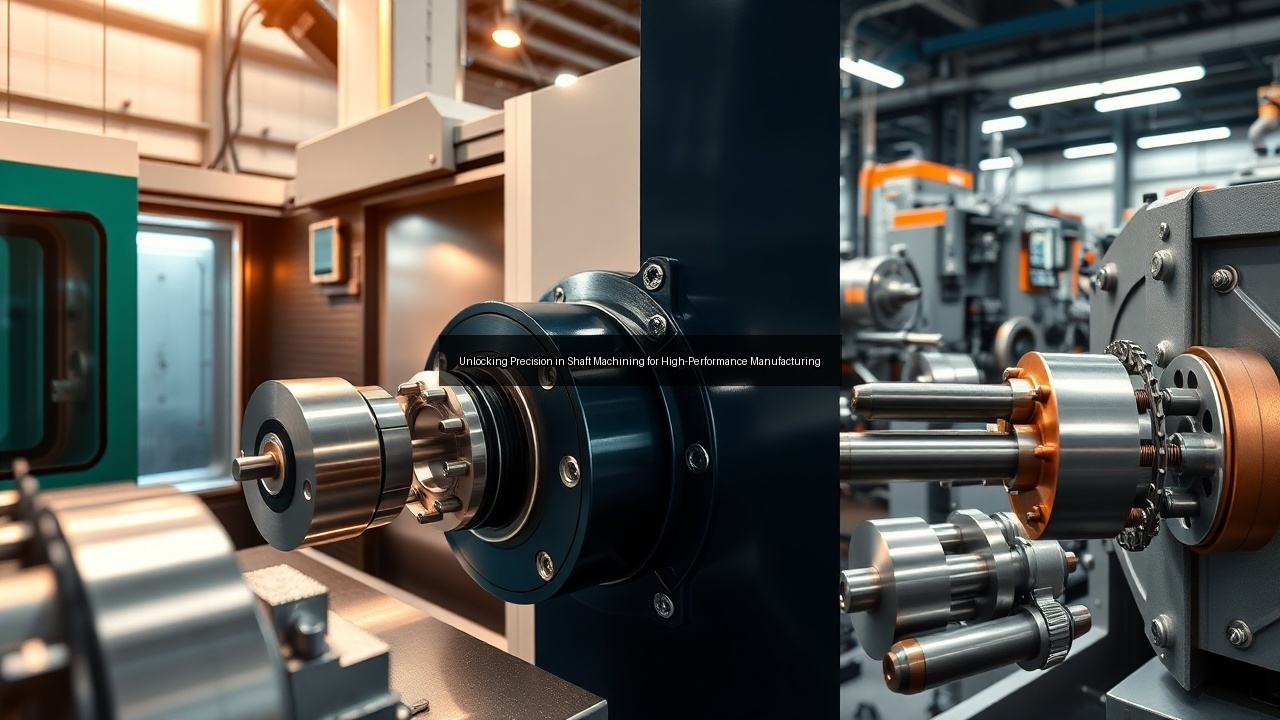
Shaft machining forms the backbone of high-performance manufacturing, where engineers shape raw materials into precise components that transmit torque and power in machines. Core techniques include turning, milling, drilling, and grinding, each tailored to create shafts with exact diameters, lengths, and shapes. Turning rotates the workpiece against a cutting tool to reduce material and form cylindrical profiles, ideal for straight shafts in motors and transmissions. Milling adds versatility by using rotating cutters to carve slots, splines, or complex geometries on the shaft surface. Drilling creates holes for keys or lubricants, ensuring secure assembly in drive shafts or countershafts. Grinding refines surfaces post-initial machining, achieving mirror-like finishes that minimize friction and wear. These methods combine in shaft machining processes to handle everything from simple prototypes to intricate machined shafts for automotive and aerospace applications. Custom shaft machining services often integrate these techniques, allowing manufacturers to meet specific shaft design specifications while optimizing for torque transmission and deflection resistance. Precision demands careful sequence: start with rough turning to establish length and diameter, follow with milling for shapes, and finish with drilling and threading for functional features. This layered approach in shaft machining ensures components withstand operational stresses without failure, driving efficiency in machinery like pumps and gearboxes.
CNC Machining vs. Traditional Methods
CNC machining revolutionizes shaft production by automating precision tasks that traditional methods struggle to match, delivering unmatched accuracy in high-volume runs. Traditional shaft machining relies on manual lathes and mills, where skilled operators guide tools by hand, leading to variability in tolerances and longer setup times. CNC machines, programmed via computer controls, execute complex paths with repeatability down to microns, perfect for precision shaft machining of parts like splined shafts or those with tight diameter specs. In CNC shaft machining, multi-axis capabilities allow simultaneous operations—turning one end while milling the other—slashing cycle times by up to 70% compared to manual setups. Traditional methods shine in low-volume, custom shaft machining where flexibility trumps speed, but they falter on intricate shapes due to human error and tool wear. CNC excels in consistency, reducing scrap rates and enabling just-in-time manufacturing services. For instance, in shaft manufacturing, CNC turning handles long shafts up to several meters without deflection issues that plague manual processes. Costs initially favor traditional for prototypes, yet CNC machining services scale economically for production, incorporating features like automatic tool changers to minimize downtime. Overall, CNC shaft machining dominates modern workflows, offering superior surface finish and geometry control essential for high-torque applications in electric motors and industrial transmissions.
The Role of CNC Turning in Precision Shaft Production
CNC turning stands as the cornerstone of precision shaft production, transforming billets into flawless components through controlled rotation and cutting. Operators load material into the CNC lathe, where the spindle spins it at high speeds while tools precisely shave away excess to hit exact diameters and lengths. This process shines in creating machined shafts for transmissions, where even minor deviations could cause vibration or failure under load. CNC turning integrates live tooling for secondary operations like drilling or threading in one setup, boosting efficiency in shaft machining services. Advanced CNC machines use servo motors for ultra-fine adjustments, maintaining tolerances as tight as ±0.001 inches on critical features. In high-performance manufacturing, this technique produces drive shafts that endure extreme torque without stress concentrations, thanks to programmable feeds that adapt to material hardness. Custom shaft machining often starts here, with software simulating cuts to avoid defects before production. Compared to basic turning, CNC versions incorporate coolant systems to manage heat, preventing thermal expansion that warps shapes. Engineers leverage CNC turning for prototyping complex shafts, iterating designs rapidly to refine geometry for optimal performance. Ultimately, this method ensures machined shafts meet rigorous specifications, supporting industries from robotics to heavy machinery with reliable, high-accuracy outputs.
Key Materials in Shaft Machining
Choosing the Right Material: Steel, Aluminum, and Alloys
Material selection drives the success of shaft machining, with steel, aluminum, and alloys offering distinct advantages for diverse applications. Carbon steel provides robust strength and machinability, ideal for general-purpose shafts in motors and pumps where cost-effectiveness matters. Stainless steel adds corrosion resistance, making it perfect for machined shafts in harsh environments like marine transmissions or food processing equipment. Aluminum delivers lightweight performance, reducing inertia in high-speed drive shafts for automotive or aerospace uses, while its softness eases CNC machining. Alloy steel, blending elements like nickel and chromium, enhances durability for high-torque countershafts, resisting fatigue in heavy industrial machinery. Engineers consider factors like hardness and thermal properties when choosing; for instance, alloy steels handle heat treatment well, improving wear resistance post-machining. In custom shaft machining, titanium alloys enter for extreme strength-to-weight ratios in prototypes. Nickel-based alloys suit corrosive settings, though they demand specialized CNC tools to combat tool wear. Shaft design specifications often dictate picks—steel for torque-heavy roles, aluminum for efficiency. Machining services balance these: steel cuts quickly on standard CNC machines, aluminum needs vibration control for clean finishes. Proper choice ensures shafts withstand deflection and stress, optimizing overall system performance in manufacturing workflows.
Impact of Material Selection on Performance and Cost
Material selection profoundly shapes shaft performance and manufacturing costs, influencing everything from torque capacity to production expenses. Steel variants like carbon and stainless steel excel in high-load scenarios, transmitting power efficiently in transmissions with minimal deflection, but their density adds weight that impacts energy use. Aluminum slashes mass by 60% over steel, boosting speed in electric motor shafts and cutting fuel costs in vehicles, yet it yields lower strength, necessitating thicker diameters that raise material volume. Alloys, such as alloy steel or nickel-infused options, elevate durability against wear and corrosion, extending maintenance intervals in industrial machinery, but premium pricing hikes upfront costs by 20-50%. In shaft machining processes, harder materials like stainless steel accelerate tool wear on CNC machines, inflating operational expenses through frequent replacements. Softer aluminum machines faster, trimming labor and time in custom shaft machining services, though anodizing adds a finishing step for protection. Performance metrics tie directly: high-torque applications favor alloy steel for reduced stress concentrations, while cost-sensitive prototypes lean aluminum. Heat treatment compatibility further sways choices—steels harden effectively, enhancing longevity without ballooning budgets. Manufacturers weigh these trade-offs during design for manufacturing, ensuring machined shafts deliver value by balancing reliability, efficiency, and economic viability across production scales.
Understanding Thermal Expansion and Its Effects on Tolerances
Thermal expansion complicates shaft machining by altering dimensions during processes, demanding vigilant control to uphold tolerances. Metals expand under heat from cutting tools or coolants, with aluminum showing coefficients up to 23 ppm/°C versus steel's 12 ppm/°C, potentially skewing diameters by 0.01 mm in long shafts. In CNC turning, spindle friction generates localized warmth, causing temporary growth that relaxes unevenly upon cooling, leading to out-of-spec geometry if unchecked. Engineers mitigate this in precision shaft machining by using stabilized materials and temperature-monitored environments, maintaining workshop conditions at 20°C. For alloy steels, expansion affects threading accuracy, where mismatched fits in assemblies cause binding or slippage in transmissions. Tolerances tighten further in high-performance applications; a 1-meter shaft might elongate 0.012 mm per degree, critical for motor alignments. Machining services employ pre-heating blanks to uniform temperatures, minimizing gradients that induce warping. Post-process inspections verify dimensions after stabilization, ensuring compliance with specs. Nickel alloys, with lower expansion, suit heat-exposed roles like countershafts, but cost more. Understanding these dynamics in shaft design prevents failures from deflection or vibration, integrating thermal modeling in CNC programming for consistent, tolerance-holding outputs in manufacturing.
Precision and Tolerances in Shaft Design
Importance of Dimensional Tolerances in Shaft Machining
Dimensional tolerances define the reliability of shaft machining, ensuring components fit seamlessly in assemblies while handling operational demands. Tight tolerances, often ±0.005 mm on diameters, prevent misalignment in transmissions, where loose specs could amplify vibrations and accelerate wear on bearings. In drive shafts, precise lengths maintain balance, reducing stress concentrations that lead to cracks under torque. Machined shafts demand these standards to interface with gears or pulleys, avoiding slippage that hampers efficiency. CNC machining achieves such accuracy, but tolerances directly impact performance—oversized diameters increase friction, undersized ones risk breakage. For custom shaft machining services, tolerances guide material removal rates, balancing speed and precision to cut costs without compromising quality. In high-stakes fields like aerospace, tolerances below ±0.001 mm ensure shafts withstand extreme loads without deflection. Poor control invites rework, spiking expenses in shaft manufacturing. Engineers prioritize tolerances in design for manufacturing, specifying them per ISO standards to align with end-use geometry. Ultimately, mastering tolerances elevates machined shaft quality, fostering durable systems in motors, pumps, and industrial machinery through exacting craftsmanship.
Factors Affecting Tolerance Levels: Geometry and Length
Geometry and length profoundly influence achievable tolerance levels in shaft machining, dictating the challenges of maintaining precision across features. Complex shapes like splines or tapers introduce variability; milling these on CNC machines risks tool deflection, loosening tolerances on intricate profiles compared to straight cylinders. Length amplifies issues—longer shafts, say over 1 meter, bow under their weight during turning, demanding steady rests to hold diameters within ±0.01 mm. Geometry affects heat distribution too; curved sections expand unevenly, skewing surface finish and alignment. In shaft design, straight lengths suit tighter specs for easy machining, while splined variants require slower feeds to control chatter. Custom shaft machining services adjust spindle speeds for elongated parts, preventing vibration that erodes accuracy. Torque requirements tie in: high-power drive shafts need robust geometries with reinforced sections, but added complexity narrows tolerance windows to avoid stress points. Material plays a role—aluminum's flexibility aids short, shaped shafts but falters on long ones prone to warp. Manufacturers simulate these factors in software, optimizing CNC paths for consistent outcomes. By addressing geometry and length early, precision shaft machining delivers components that perform reliably, minimizing assembly issues in transmissions and motors.
Techniques for Achieving High Accuracy in Machining
High accuracy in shaft machining relies on advanced techniques that refine cuts and monitor processes in real time. CNC machines employ high-resolution encoders for positioning, ensuring tools hit marks within microns on diameters and lengths. Vibration damping through balanced tooling prevents chatter, crucial for maintaining tolerances on thin-walled shafts. Probing systems integrated into CNC turning verify dimensions mid-process, allowing immediate adjustments to counter thermal shifts. For complex shapes, multi-axis CNC milling adds precision layers, carving splines with sub-0.005 mm accuracy. Coolant optimization controls temperatures, stabilizing materials against expansion during drilling or threading. Grinding follows rough machining, using diamond wheels to hone surfaces to Ra 0.2 μm finishes, eliminating micro-imperfections. In precision shaft machining services, adaptive controls adjust feeds based on tool wear, sustaining sharpness for consistent cuts. Prototype runs test these methods, refining parameters for production. Laser measurement tools inspect geometry post-machining, flagging deviations in real time. These techniques collectively boost accuracy, enabling machined shafts to meet stringent specs for torque transmission without deflection, empowering high-performance manufacturing across industries.
Advanced Machining Techniques for High Performance
Grinding and Polishing for Optimal Surface Finish
Grinding and polishing elevate shaft machining by delivering superior surface finishes that enhance performance and longevity. Grinding uses abrasive wheels to remove minute material layers, achieving flatness and roundness critical for bearing interfaces on machined shafts. In CNC grinding, centers hold shafts precisely, spinning them against the wheel to refine diameters to within 0.002 mm, far beyond initial turning. This step reduces friction in transmissions, cutting energy loss and heat buildup during torque transfer. Polishing follows, employing buffing compounds on rotating belts to create mirror-like surfaces with Ra values under 0.1 μm, ideal for high-speed motor shafts where smoothness prevents wear. For custom shaft machining, electrochemical polishing offers non-contact refinement, avoiding distortion in delicate geometries like splines. These techniques address stress concentrations by smoothing peaks, boosting fatigue resistance in alloy steel shafts. Maintenance of grinding machinery ensures consistent abrasives, minimizing tool marks that could lead to early failure. In shaft manufacturing workflows, integrating grinding post-milling ensures shapes align perfectly, supporting applications from automotive drive shafts to precision pumps. Overall, these methods transform rough machined parts into high-performance components ready for demanding environments.
The Role of Heat Treatment in Enhancing Durability
Heat treatment fortifies shaft durability by altering material microstructures, making machined shafts resilient to wear and fatigue in rigorous operations. Processes like quenching and tempering harden steel surfaces while retaining core toughness, ideal for countershafts transmitting high torque without cracking. In shaft machining, treatment follows rough shaping to avoid distortion, with controlled furnaces heating parts to 800-900°C before rapid cooling. This boosts hardness to 50-60 HRC, reducing deflection under load in transmissions. For aluminum shafts, anodizing provides a hard oxide layer, enhancing corrosion resistance and surface finish for lightweight applications. Alloy steels benefit from carburizing, infusing carbon for deeper wear protection in geared shafts. CNC machining services time treatments precisely, using fixtures to maintain geometry during heating. Post-treatment grinding restores tolerances, ensuring dimensional accuracy. Durability gains cut maintenance needs; treated shafts last 2-3 times longer in motors exposed to vibration. Engineers select methods based on specs—normalizing relieves stresses from machining, preventing warping. In prototype development, heat treatment validates designs, simulating service conditions. These steps embed reliability into shaft manufacturing, delivering components that endure stress concentrations and operational rigors with minimal downtime.
Exploring Threading and Milling for Complex Shapes
Threading and milling unlock complex shapes in shaft machining, enabling features that enhance functionality in advanced assemblies. Threading cuts helical grooves for secure fastening, using CNC lathes with single-point tools or dies to form precise leads on steel shafts for adjustable mechanisms. In high-performance manufacturing, this creates torque-limiting connections in drive shafts, with tolerances holding pitch diameters to ±0.01 mm. Milling complements by routing flats, keyways, or splines via rotating end mills on CNC machines, crafting geometries for power transmission in gearboxes. Multi-axis CNC milling handles undercuts and tapers, vital for custom shaft machining of irregular profiles that standard turning can't achieve. For splined shafts, hobbing mills form interlocking teeth with exact ratios, ensuring smooth engagement without backlash. These techniques manage complexity by sequencing operations—mill first for shapes, thread last to avoid burrs. Tool selection matters: carbide inserts resist wear on stainless steel, maintaining accuracy over long runs. In shaft design, milling reduces weight through strategic cutouts, optimizing for deflection resistance. Machining services integrate simulation software to predict chip flow, preventing defects in intricate parts. Together, threading and milling expand shaft applications, from prototypes to production in motors and industrial machinery, delivering versatile, high-precision outputs.
Quality Assurance and Inspection in Shaft Manufacturing
Implementing Effective Process Control Systems
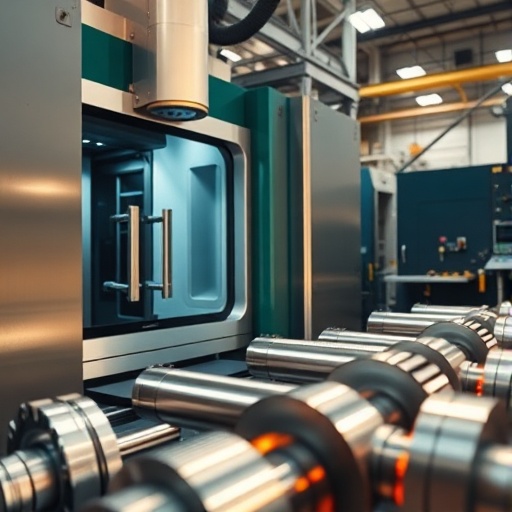
Effective process control systems safeguard shaft manufacturing quality by monitoring variables in real time, preventing defects from reaching final products. Statistical process control (SPC) tracks metrics like diameter variations during CNC turning, using sensors to flag drifts caused by tool wear or material inconsistencies. In shaft machining, automated systems adjust feeds dynamically, maintaining tolerances on lengths and shapes across batches. For custom shaft machining services, IoT-enabled CNC machines log data for traceability, ensuring compliance with specifications in transmissions. Control loops integrate coolant flow and spindle speeds, countering thermal expansion to hold geometry steady. Maintenance protocols schedule checks on machinery, replacing worn bits before they compromise surface finish. Quality assurance extends to supplier inputs, verifying steel or aluminum alloys meet hardness standards pre-machining. In high-volume runs, vision systems inspect for cracks post-milling or threading, halting lines if anomalies appear. These systems reduce scrap by 30%, optimizing workflow from prototype to production. Engineers embed design for manufacturing principles, aligning controls with torque and durability goals. Robust implementation fosters consistent machined shafts, minimizing downtime and elevating reliability in demanding applications like motors and pumps.
Dimensional Inspection Techniques for Machined Shafts
Dimensional inspection techniques verify machined shafts meet exact specifications, using precise tools to measure features like diameters, lengths, and tolerances. Coordinate measuring machines (CMMs) probe surfaces with touch triggers, mapping geometry in 3D to detect deviations as small as 0.001 mm on splined shafts. For straightness checks, optical comparators project profiles against templates, ensuring alignment for torque transmission without deflection. In shaft manufacturing, micrometers and bore gauges handle routine diameter inspections, while laser scanners capture full-surface data for complex shapes post-CNC milling. Hardness testers complement by confirming heat treatment effects, correlating to durability. Custom shaft machining services employ portable CMMs for in-process checks, adjusting CNC programs on the fly. Roundness testers rotate shafts against styluses, quantifying out-of-round conditions that affect bearing fits. Workflow integrates these at key stages—pre- and post-grinding—to track progress. Standards like ISO 2768 guide acceptance, with reports documenting compliance for clients. Advanced techniques, including CT scanning, reveal internal voids from drilling without disassembly. These methods ensure precision shaft machining yields parts free of stress concentrations, supporting seamless integration in assemblies and long-term performance.
Maintaining Consistency: Communication Across the Workflow
Consistency in shaft manufacturing hinges on clear communication across the workflow, aligning teams from design to inspection for flawless execution. Engineers share CAD models detailing tolerances and geometry, enabling machinists to program CNC machines accurately for features like threading or splines. In custom shaft machining services, digital twins simulate processes, highlighting potential issues like tool wear before production. Regular cross-department meetings review prototypes, refining designs for manufacturability to avoid costly revisions. Quality assurance teams relay inspection data back to operators, closing loops on deviations in surface finish or lengths. For high-performance parts, standardized specs ensure material selection—steel for torque-heavy shafts—propagates uniformly. Workflow software tracks progress, flagging delays in heat treatment or polishing that could impact durability. Communication fosters collaboration: designers consult machinists on complexity limits, optimizing shapes for CNC turning efficiency. In global manufacturing, cloud platforms enable real-time updates, maintaining consistency across sites. This integrated approach minimizes errors, from initial machining to final packaging, delivering reliable machined shafts that meet client expectations in transmissions, motors, and beyond.