Top 5 Benefits of Using Advanced Level Sensors in Chemical Storage
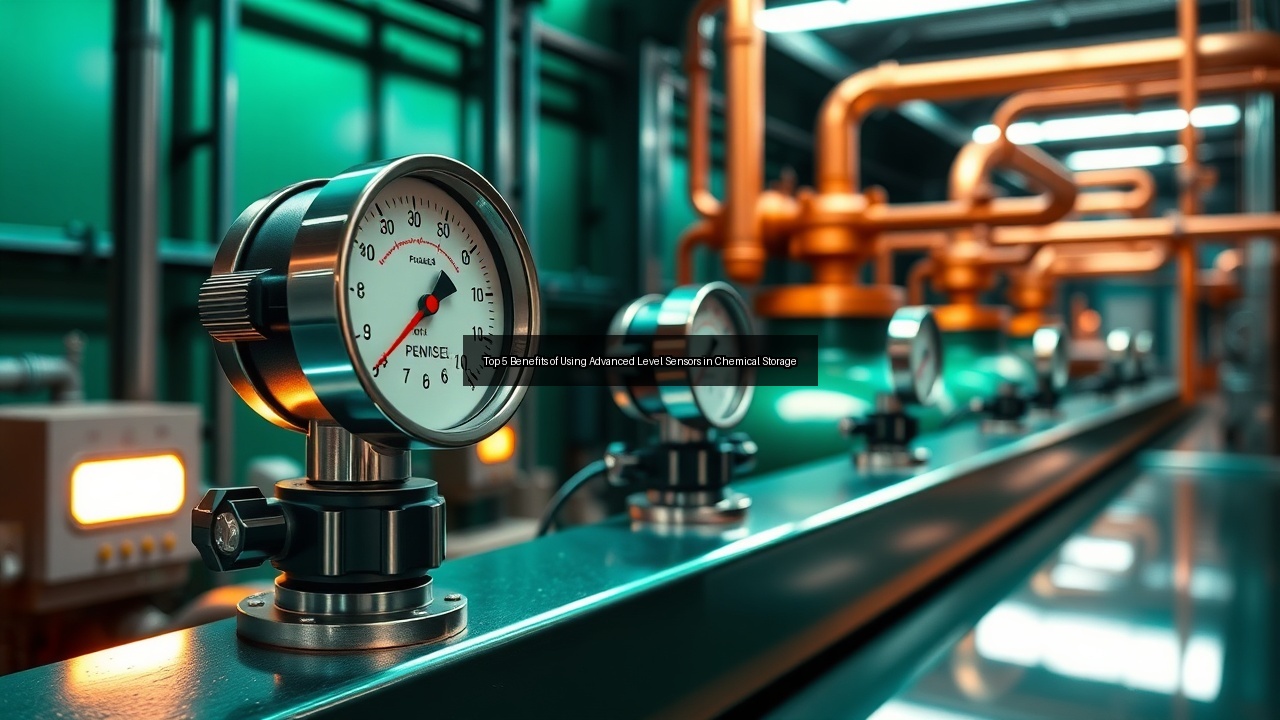
Enhanced Accuracy in Level Measurement
The Role of Level Sensors in Precision Measurement
Level sensors play a pivotal role in ensuring precise level measurement within chemical storage systems. These advanced devices detect fluid levels in tanks with remarkable accuracy, far surpassing manual checks or basic indicators. In chemical tanks, where even minor discrepancies can lead to significant issues, a reliable level sensor provides real-time data that operators trust. Consider how a chemical tank level gauge integrates seamlessly into storage tanks, offering continuous monitoring of chemicals down to the gallon. This precision stems from technologies like ultrasonic or radar-based sensors, which ignore foam, vapors, or corrosive environments common in chemical storage.
Engineers rely on these level sensors as essential measuring instruments to maintain compliance with safety regulations. For instance, in industries handling hazardous chemicals, accurate level measurement prevents costly errors. A top-tier chemical level gauge delivers readings unaffected by temperature fluctuations or tank geometry, ensuring operators always know the exact volume of contents. This capability extends to water tanks used in dilution processes, where precise chemical level monitoring safeguards product quality. By adopting advanced level sensors, facilities achieve a level of detail that traditional methods simply cannot match, reducing human error and enhancing overall process control.
Moreover, the integration of digital interfaces in modern level gauges allows for remote access, enabling teams to track tank levels from a central control room. This not only boosts efficiency but also supports predictive analytics for inventory management. In scenarios involving multiple tanks, a single chemical tank level indicator can oversee several units, providing aggregated data that informs decision-making. The result? Facilities operate with confidence, knowing their level measurement tools deliver unerring accuracy every time. Such reliability proves invaluable in high-stakes environments like pharmaceutical manufacturing or water treatment, where chemical tank levels directly impact production timelines and safety protocols.
Comparing Traditional vs. Advanced Level Gauges
Traditional level gauges, often mechanical floats or sight glasses, fall short when compared to advanced chemical tank level gauges in terms of reliability and functionality. Float-based systems in older storage tanks frequently stick or corrode due to chemical exposure, leading to inaccurate readings and potential hazards. In contrast, advanced level sensors employ non-contact methods like capacitance or guided wave radar, which penetrate challenging conditions without degradation. This shift from rudimentary tank level indicators to sophisticated chemical level measurement tools marks a significant upgrade for industries dealing with volatile chemicals.
Take a typical chemical storage setup: a traditional gauge might require manual verification, exposing workers to risks and interrupting operations. Advanced alternatives, however, provide automated, continuous level tank gauge data via integrated software, eliminating guesswork. Studies show that facilities using modern level sensors report up to 30% fewer measurement errors, directly translating to better resource allocation. For water tanks or chemical tanks alike, these devices handle diverse applications, from monitoring gallons of acids to tracking neutral solutions in filtration processes.
Cost-wise, while initial investment in advanced level gauges exceeds that of traditional ones, the long-term savings are substantial. Reduced downtime from faulty readings and minimized waste from overfills make them a smart choice. In chemical tank level monitoring, advanced systems also offer calibration features that adapt to specific tank designs, ensuring precise tank level measurement over time. Operators appreciate how these tools integrate with existing pumps and controls, creating a cohesive system. Ultimately, the comparison highlights why forward-thinking companies prioritize advanced level sensors—they deliver superior performance that traditional gauges simply cannot rival.
Improved Safety in Chemical Storage
Minimizing Risks with Accurate Level Gauges
Accurate level gauges stand as the first line of defense in minimizing risks associated with chemical storage. In environments where chemicals pose explosion or toxicity threats, a dependable chemical tank level gauge alerts operators to potential issues before they escalate. These devices monitor tank levels meticulously, preventing scenarios where undetected low levels trigger dry-run pumps or high levels cause pressure buildups. Safety protocols in chemical facilities demand such precision, as even small inaccuracies in level measurement can lead to regulatory violations or accidents.
Advanced level sensors enhance this safety net by incorporating alarms and shutdown mechanisms. For example, in storage tanks holding corrosive chemicals, a level sensor detects anomalies instantly, allowing immediate intervention. This proactive approach reduces the likelihood of leaks or spills, protecting both personnel and the environment. Industries like petrochemicals have seen dramatic safety improvements after installing these chemical level gauges, with incident rates dropping significantly. The gauges' ability to function in harsh conditions—resistant to vapors and buildup—ensures consistent performance, making them indispensable for risk mitigation.
Furthermore, compliance with standards from bodies like OSHA becomes straightforward with reliable tank level indicators. Operators gain peace of mind knowing their measuring instruments provide verifiable data for audits. In multi-tank setups, centralized monitoring via chemical tank level measurement systems flags irregularities across all units, streamlining safety oversight. By prioritizing accurate level gauges, facilities not only safeguard lives but also fortify their operational resilience against unforeseen chemical storage challenges.
Preventing Overflows and Spills in Storage Tanks
Preventing overflows and spills ranks among the top priorities in chemical storage, and advanced level sensors excel at this task. A well-calibrated chemical tank level gauge continuously tracks fluid volumes, issuing warnings when tanks approach capacity. This real-time oversight averts the catastrophic spills that traditional tank level gauges often fail to catch, especially during high-volume transfers. In chemical tanks, where contents can react violently if mixed improperly, such prevention measures save millions in cleanup and fines annually.
Consider the mechanics: level sensors integrate with automated valves and pumps, halting operations at predefined thresholds. This automation proves crucial in scenarios involving large gallons of hazardous chemicals, where manual monitoring proves impractical. Facilities using these systems report near-zero overflow incidents, a testament to their efficacy in storage tank management. Even in water tanks used for chemical dilution, precise level tank measurement prevents contamination from spills, upholding water quality standards.
Beyond immediate prevention, these tools contribute to long-term safety cultures. Training programs often emphasize the role of chemical level indicators in spill avoidance, empowering workers with data-driven insights. Integration with filtration systems further enhances protection, as accurate readings ensure chemicals remain contained during processing. Ultimately, by deploying advanced level gauges, companies transform potential disasters into managed routines, ensuring storage tanks operate safely and efficiently.
Increased Efficiency and Cost Savings
Optimizing Pump Operations with Real-Time Data
Real-time data from advanced level sensors optimizes pump operations in chemical storage, driving efficiency across the board. Pumps in chemical tanks rely on precise level measurement to avoid cavitation or overloading, issues that plague systems with outdated tank level gauges. A modern chemical tank level gauge supplies instant feedback, allowing pumps to adjust flow rates dynamically and match demand without excess energy use. This synchronization cuts operational costs while extending equipment life.
In practice, operators use level sensor data to schedule pump runs only when necessary, reducing wear and tear. For instance, in facilities managing multiple storage tanks, centralized chemical level monitoring prevents simultaneous over-pumping, balancing loads effectively. The result? Energy savings of up to 20% in some cases, alongside fewer maintenance calls. These measuring instruments also support predictive maintenance, alerting teams to potential pump failures based on level trends, further boosting uptime.
Efficiency gains extend to inventory control, where accurate tank level indicators help forecast replenishment needs. In chemical processing plants, this means smoother production cycles without interruptions from low levels. Even in rainwater harvesting setups involving chemical treatments, optimized pumps ensure water tanks fill efficiently. By harnessing real-time insights from level gauges, businesses achieve a leaner operation that translates directly to the bottom line.
Reducing Waste through Accurate Chemical Level Monitoring
Accurate chemical level monitoring slashes waste in storage operations, a critical factor for profitability. Traditional gauges often lead to overfilling or underutilization of tanks, resulting in chemical degradation or unnecessary purchases. Advanced level sensors, however, provide pinpoint chemical tank level measurement, enabling just-in-time inventory that minimizes excess stock. This precision ensures chemicals remain viable longer, reducing disposal costs and environmental impact.
Facilities report substantial waste reductions after implementing these systems—sometimes by 15-25%—through better tracking of gallons in each tank. In chemical tanks, where spoilage from improper levels can be costly, a reliable level gauge acts as a safeguard. Integration with software allows for automated reports on usage patterns, highlighting inefficiencies like inconsistent filling. For water tanks in filtration processes, accurate monitoring prevents chemical overuse, conserving resources and maintaining purity.
Beyond direct savings, these tools enhance sustainability efforts by curbing spills that lead to wasted materials. Operators appreciate how chemical level gauges simplify compliance with waste regulations, avoiding penalties. In larger operations with carts shuttling between tanks, precise data ensures transfers without loss. Overall, investing in advanced level measurement pays dividends through waste reduction, fostering a more sustainable and cost-effective chemical storage ecosystem.
Integration with Modern Filtration Systems
Smart Level Sensors for Rainwater Harvesting
Smart level sensors revolutionize rainwater harvesting by providing seamless integration with filtration systems in water tanks. These devices monitor levels in real-time, ensuring harvested rainwater meets treatment thresholds before chemical addition. A chemical tank level gauge adapted for such systems tracks additive volumes precisely, preventing imbalances that could compromise water quality. In sustainable setups, this accuracy supports efficient collection and storage, maximizing every gallon harvested.
Rainwater systems benefit from level sensors' ability to interface with automated controls, triggering pumps only when tanks reach optimal levels. This prevents overflows in storage tanks while optimizing filtration cycles. For urban harvesting projects, where space limits tank sizes, precise chemical level measurement ensures dosed treatments remain effective without excess. These measuring instruments also log data for analysis, helping refine harvesting strategies over time.
Environmental advocates praise how smart level gauges reduce chemical waste in rainwater processes, aligning with green building standards. In combined systems handling both rainwater and chemical tanks, unified monitoring enhances overall efficiency. Operators gain insights into evaporation rates or inflow patterns, fine-tuning operations for peak performance. By embedding level sensors into rainwater harvesting, facilities achieve reliable, eco-friendly water management that scales effortlessly.
Enhancing Chemical Filtration Processes
Enhancing chemical filtration processes demands robust level measurement, where advanced sensors shine by maintaining optimal conditions in tanks. During filtration, precise control of chemical levels ensures contaminants bind effectively without saturation. A dedicated chemical tank level gauge monitors filtrate and chemical inputs, adjusting flows to sustain efficiency. This real-time oversight prevents clogs or inefficiencies that plague less sophisticated tank level indicators.
In industrial filtration setups, level sensors integrate with pumps to regulate dosing, minimizing variations in treatment outcomes. For chemicals used in water purification, accurate tank level measurement guarantees consistent quality across batches. Facilities handling large volumes report improved throughput after upgrading to these systems, with filtration rates increasing due to stable level data. The sensors' resilience to particulates and pressures common in filtration environments ensures dependable performance.
Moreover, data from level gauges supports process optimization, identifying bottlenecks in chemical delivery or tank utilization. In hybrid systems involving rainwater and chemical filtration, seamless integration prevents cross-contamination. Maintenance teams value how these tools predict filter life based on level trends, scheduling changes proactively. Ultimately, advanced level sensors elevate chemical filtration from reactive to predictive, delivering superior results and resource conservation.
Reliable Customer Support and Maintenance
The Importance of Technical Support for Level Measurement Tools
Technical support emerges as a cornerstone for maximizing the value of level measurement tools in chemical storage. Providers of advanced chemical tank level gauges offer dedicated customer support to troubleshoot issues swiftly, ensuring minimal downtime. From initial installation queries to complex calibration, expert assistance keeps systems running smoothly. In high-stakes chemical environments, where tank level gauges directly influence safety, responsive support proves invaluable for maintaining operational integrity.
Customers benefit from 24/7 hotlines and online portals that deliver guidance on integrating level sensors with existing pumps or filtration setups. Training sessions on chemical level measurement further empower teams, reducing errors in daily use. Reputable suppliers provide firmware updates that enhance sensor accuracy over time, backed by thorough documentation. For facilities with multiple tanks, customized support plans address site-specific challenges, like adapting gauges for corrosive chemicals.
The ripple effects of strong technical support extend to cost control—fewer service calls mean lower expenses. In rainwater harvesting or water tanks, where level indicators support eco-initiatives, reliable help ensures compliance with standards. Businesses that prioritize vendors with robust customer support experience higher satisfaction and longevity from their measuring instruments, turning potential headaches into seamless experiences.
Regular Maintenance for Longevity in Chemical Tanks
Regular maintenance extends the longevity of level sensors in chemical tanks, safeguarding investments and performance. Routine checks on chemical tank level gauges prevent buildup or sensor drift, common in harsh chemical environments. Scheduled calibrations ensure accurate tank level measurement, while cleaning protocols keep non-contact sensors functioning optimally. Facilities that adhere to maintenance schedules see their devices last 5-10 years longer than neglected ones.
Maintenance involves inspecting connections, verifying alarms, and testing integrations with pumps and filtration systems. For storage tanks holding gallons of volatile chemicals, proactive care averts failures that could lead to spills. Customer support teams often supply checklists and remote diagnostics, simplifying the process for on-site staff. In water tanks or rainwater systems, maintenance focuses on corrosion resistance, preserving level gauge reliability amid varying conditions.
Benefits include reduced replacement costs and sustained efficiency in chemical level monitoring. Documented maintenance logs also aid in audits, demonstrating due diligence. By committing to regular upkeep, operators maximize the return on advanced level sensors, ensuring chemical tanks operate safely and effectively for years. This disciplined approach not only prolongs equipment life but also reinforces a culture of reliability in storage operations.
See Also
- Maximizing Safety and Efficiency with Smart Chemical Level Measurement
- Customer Support Strategies for Optimal Chemical Tank Level Monitoring
- Unlocking Precision with Chemical Tank Level Gauges for Safe Storage
- Understanding the Importance of Tank Level Indicators in Chemical Management
- From Water Tanks to Chemical Storage: The Versatility of Level Gauges