The Role of Temperature Sensors in Smart Building Automation
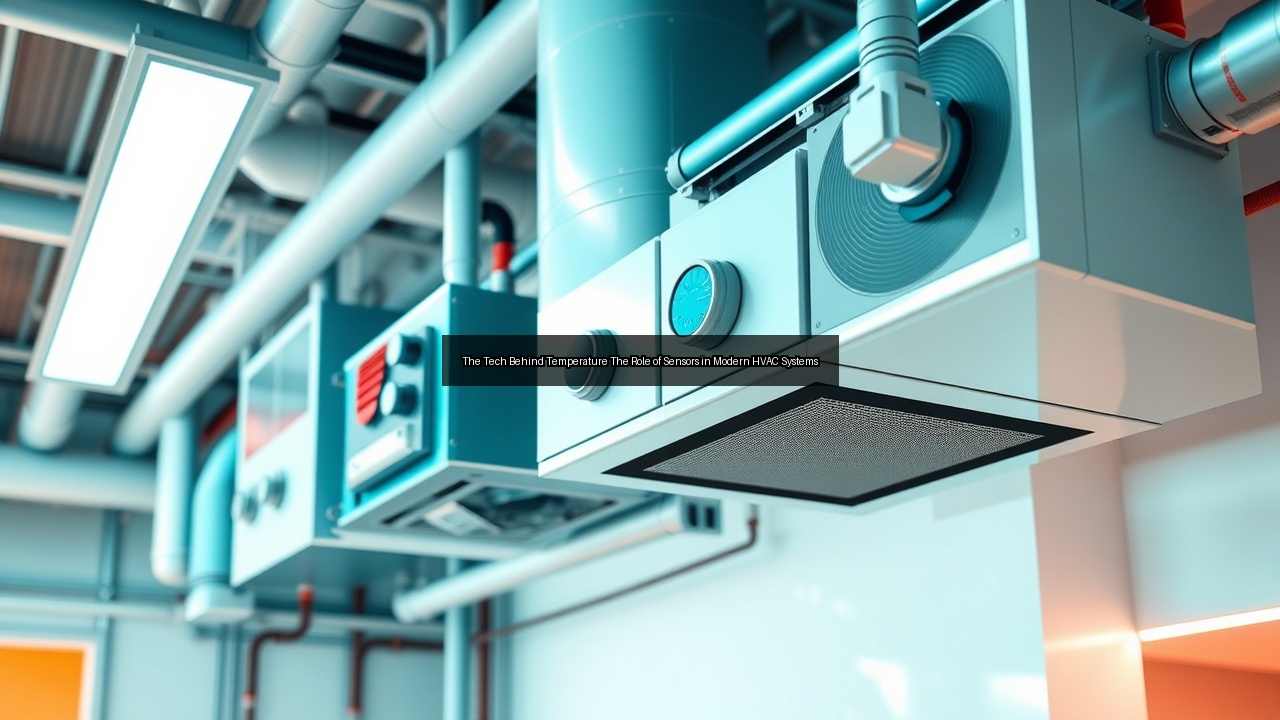
Understanding HVAC Temperature Sensors
Types of HVAC Temperature Sensors
HVAC temperature sensors form the backbone of modern building automation, delivering precise measurements that drive efficient climate control in HVAC systems. Engineers rely on several types to meet diverse needs across commercial and residential spaces. Resistance temperature detectors (RTDs) offer high accuracy and stability, making them ideal for critical applications like data centers where even slight deviations can disrupt operations. Thermocouples, another staple, thrive in harsh environments due to their durability and wide temperature range, often integrated into air handling units for robust monitoring. Thermistors provide cost-effective solutions with fast response times, perfect for detecting rapid changes in heating and cooling zones. Infrared sensors detect surface temperatures without contact, enhancing safety in high-heat HVAC components. Each type integrates seamlessly into building automation networks, feeding real-time data to central controllers. Selection depends on factors like accuracy requirements, environmental exposure, and integration with thermostats. In smart buildings, these sensors enable proactive adjustments, preventing energy waste and ensuring occupant comfort. HVAC professionals prioritize versatile sensors that support protocols like BACnet for smooth interoperability in complex HVAC systems.
The Role of Thermocouples in HVAC Systems
Thermocouples play a pivotal role in HVAC systems by converting thermal energy into electrical signals, enabling precise temperature measurement across vast ranges from -200°C to over 1800°C. In building automation, they monitor exhaust gases in boilers and furnaces, alerting systems to potential overheating before failures occur. Their simple construction—just two dissimilar metal wires joined at a junction—makes them rugged for installation in air handling units or near compressors. HVAC engineers value thermocouples for quick response times, which support dynamic climate control adjustments in variable environments like hospitals or offices. When paired with thermowells, these sensors protect against corrosive elements in HVAC ducts, extending lifespan and reliability. In smart thermostats, thermocouple data informs predictive algorithms that optimize heating and cooling cycles, reducing wear on equipment. Unlike fragile alternatives, thermocouples withstand vibrations and moisture, crucial for rooftop HVAC units exposed to weather. Integration into automation platforms allows remote diagnostics, minimizing downtime. Overall, thermocouples enhance HVAC temperature sensor performance, ensuring systems respond swiftly to fluctuations and maintain consistent indoor environments.
Thermistors vs. Traditional Sensors
Thermistors outperform traditional sensors in many HVAC applications due to their nonlinear resistance changes with temperature, offering sensitivity up to 100 times greater than standard thermocouples or RTDs. In building automation, negative temperature coefficient (NTC) thermistors detect subtle shifts in room temperatures, triggering precise adjustments via smart thermostats. Positive temperature coefficient (PTC) variants protect against overcurrent in HVAC controls, preventing costly damages. Compared to traditional bimetallic switches, which react slowly and lack precision, thermistors provide digital outputs for seamless integration into modern HVAC systems. They excel in compact spaces like wall-mounted sensors for climate control, where size matters. Traditional sensors, often mechanical, suffer from drift over time, leading to inaccurate readings in heating and cooling setups. Thermistors, however, maintain calibration longer and cost less, making them a go-to for energy-efficient buildings. In data centers, their rapid response ensures servers stay within optimal ranges, avoiding thermal throttling. While traditional sensors suit basic on-off controls, thermistors enable advanced automation, analyzing trends to predict and preempt temperature anomalies. This shift boosts overall HVAC sensor efficacy, driving smarter, more responsive building operations.
Integration of Temperature Sensors in Smart Building Automation
How Temperature Sensors Enhance Climate Control
Temperature sensors revolutionize climate control in smart building automation by providing continuous feedback loops that fine-tune HVAC systems for optimal performance. These devices, embedded throughout structures, measure ambient conditions in real time, allowing central controllers to adjust airflow and humidity dynamically. In large facilities, duct-mounted HVAC temperature sensors detect imbalances, redistributing heated or cooled air to underperforming zones via variable speed fans in air handling units. Smart thermostats leverage this data to create personalized microclimates, balancing comfort with efficiency. Integration with IoT platforms enables predictive climate control, where sensors anticipate occupancy patterns and preemptively adjust settings. For instance, in office buildings, they coordinate with occupancy sensors to ramp down heating in vacant areas, conserving energy without sacrificing air quality. Advanced algorithms process sensor inputs to model thermal loads, optimizing chiller operations during peak demands. This proactive approach minimizes temperature swings, enhancing occupant satisfaction and extending HVAC system longevity. Ultimately, HVAC temperature sensors transform static environments into adaptive ones, ensuring precise control over every square foot.
The Impact on Indoor Air Quality
Temperature sensors significantly boost indoor air quality (IAQ) in building automation by linking thermal data to ventilation strategies within HVAC systems. When sensors detect rising temperatures, they signal increased fresh air intake through air handling units, diluting pollutants and controlling humidity to prevent mold growth. In environments like schools or healthcare facilities, maintaining 68-72°F ranges via precise monitoring curbs allergen proliferation and bacterial spread. HVAC temperature sensors integrate with CO2 detectors, automating exhaust fans to refresh stale air during high-occupancy periods. This synergy ensures balanced climate control, where temperature influences relative humidity—key to IAQ standards. Poor temperature management leads to condensation issues, fostering dust mites and VOC emissions, but smart sensors mitigate these risks through zoned adjustments. In commercial spaces, they support compliance with ASHRAE guidelines, logging data for audits. By enabling demand-controlled ventilation, sensors reduce over-ventilation energy waste while upholding fresh, comfortable interiors. Occupants experience fewer respiratory issues and higher productivity, underscoring how HVAC temperature sensors safeguard health alongside thermal comfort in automated buildings.
Data Collection and Analysis for Automation
Data collection from temperature sensors fuels intelligent automation in building management, turning raw HVAC readings into actionable insights for streamlined operations. Sensors across HVAC systems gather metrics on zone temperatures, supply air, and return ducts, streaming data to cloud-based analytics platforms. Machine learning algorithms analyze historical patterns to forecast thermal demands, adjusting thermostats preemptively during weather shifts. In data centers, this real-time temperature monitoring prevents hotspots, ensuring 24/7 uptime. Building automation software visualizes trends via dashboards, empowering facility managers to identify inefficiencies like uneven heating and cooling distribution. Integration with BIM models allows sensors to correlate environmental data with structural factors, refining climate control strategies. Edge computing processes sensor inputs locally, reducing latency for immediate responses in critical HVAC applications. Over time, analyzed data optimizes maintenance schedules, predicting sensor failures before they disrupt systems. This data-driven approach enhances overall automation, cutting operational costs and elevating building intelligence. HVAC temperature sensors thus serve as the neural network, enabling adaptive, efficient environments that evolve with usage.
Calibration and Maintenance of Temperature Sensors

Importance of Calibration in HVAC Systems
Calibration stands as a critical practice in HVAC systems, ensuring temperature sensors deliver accurate readings that underpin reliable building automation. Uncalibrated sensors lead to misguided climate control decisions, such as overcooling rooms and spiking energy bills. Regular calibration aligns sensor outputs with true environmental conditions, maintaining precision within ±0.5°C for optimal heating and cooling performance. In commercial HVAC setups, this process verifies sensor functionality across air handling units and thermostats, preventing discrepancies that compromise indoor air quality. Facility teams schedule calibrations annually or after major system tweaks, using reference standards to adjust offsets. Proper calibration extends sensor life, avoids premature replacements, and complies with energy codes. For smart buildings, calibrated HVAC temperature sensors enable precise data analytics, supporting AI-driven optimizations. Neglect here invites inefficiencies, like uneven temperature distribution in multi-zone systems, frustrating occupants. By prioritizing calibration, managers safeguard system integrity, ensuring automation responds accurately to real-world variables and sustains long-term efficiency.
NIST Standards for Temperature Sensor Calibration
NIST standards provide the gold benchmark for calibrating temperature sensors, guaranteeing traceability and reliability in HVAC applications. The National Institute of Standards and Technology outlines protocols using fixed-point cells and platinum resistance thermometers to establish reference temperatures from -196°C to 660°C. In building automation, HVAC professionals apply these guidelines to certify sensors in thermostats and air handling units, ensuring measurements align with international metrology norms. Calibration labs follow NIST's ITS-90 scale, employing comparison baths for immersing sensors in stable environments. This rigor minimizes uncertainties, vital for climate control in sensitive areas like data centers where NIST-compliant accuracy prevents thermal damage. Documentation per NIST SRMs allows auditing for regulatory compliance, such as LEED certifications. Technicians use NIST-traceable tools like dry-block calibrators for field adjustments, extending to wireless sensors in modern systems. Adhering to these standards enhances interoperability across HVAC networks, fostering trust in automation data. Ultimately, NIST frameworks empower precise temperature measurement, bolstering energy-efficient and safe building operations.
Best Practices for Maintaining HVAC Sensors
Maintaining HVAC sensors demands consistent best practices to sustain accuracy and integration in building automation. Start with routine visual inspections, checking for dust buildup or corrosion on thermistors and thermocouples in air handling units. Clean sensors quarterly using compressed air or soft brushes, avoiding liquids that could alter readings. Document all maintenance in logs to track performance trends, scheduling deep cleans during HVAC system shutdowns. Test functionality with multimeters or diagnostic software, verifying outputs against known temperatures. In humid environments, protect sensors with thermowells to shield from moisture ingress. Train staff on gentle handling to prevent mechanical damage during thermostat installations. Integrate maintenance alerts into automation platforms, notifying teams of drift via threshold monitoring. For remote sites, deploy self-diagnostic sensors that report anomalies wirelessly. Replace aging components proactively, aiming for a five-year cycle in high-use areas. These steps minimize downtime, optimize climate control, and extend HVAC temperature sensor lifespan, ensuring seamless operation and cost savings in smart buildings.
Temperature Sensors and Energy Efficiency

Optimizing Heating and Cooling with Smart Thermostats
Smart thermostats harness temperature sensors to optimize heating and cooling, slashing energy use in automated buildings by up to 20%. These devices employ embedded HVAC temperature sensors to learn occupancy rhythms, automatically setting back temperatures when spaces empty. In residential HVAC systems, geofencing integrates with sensors for remote adjustments via apps, ensuring comfort upon return without excess runtime. Commercial applications zone control through multiple sensors, directing energy to active areas while idling others. Algorithms analyze sensor data against weather forecasts, preempting load spikes in air handling units. This dynamic optimization curbs boiler and chiller overwork, extending equipment life. Integration with building automation platforms enables whole-system synchronization, where thermostat inputs influence lighting and shading for holistic efficiency. Users benefit from detailed reports on savings, encouraging behavioral tweaks. By focusing on precise temperature monitoring, smart thermostats transform HVAC operations, delivering sustainable climate control that aligns comfort with reduced carbon footprints.
How Occupancy Sensors Work with Temperature Monitoring
Occupancy sensors collaborate with temperature monitoring to elevate energy efficiency in HVAC systems, activating climate control only in used spaces. Infrared or ultrasonic occupancy detectors signal HVAC controllers when rooms populate, prompting temperature sensors to ramp up heating and cooling via smart thermostats. In office buildings, this pairing prevents vacant areas from consuming energy, with sensors cross-verifying presence before adjustments. Building automation logic uses occupancy data to modulate air handling unit speeds, delivering conditioned air precisely where needed. For example, in hotels, integrated systems lower setpoints in unoccupied suites, relying on temperature feedback to maintain minimum thresholds against humidity issues. This synergy cuts HVAC runtime by 30%, as sensors confirm sustained occupancy before full activation. Advanced setups employ AI to predict patterns from historical data, fine-tuning responses. In data centers, hybrid monitoring ensures cooling follows server loads tied to occupancy. Overall, occupancy sensors amplify temperature monitoring's impact, fostering intelligent, responsive environments that prioritize efficiency without comfort trade-offs.
Reducing Energy Costs through Effective Temperature Control
Effective temperature control via HVAC temperature sensors directly reduces energy costs by enabling targeted operations in building automation. Sensors provide granular data that informs variable refrigerant flow systems, adjusting compressor speeds to match real demands rather than running at full capacity. In multi-story offices, zoned sensors prevent overcooling lobbies while warming active floors, optimizing overall HVAC system output. Integration with energy management software analyzes usage peaks, shifting loads to off-hours for lower rates. Thermostats programmed with sensor inputs enforce setbacks during nights, potentially saving 15% on bills. Climate control refinements, like humidity-linked adjustments, avoid inefficient dehumidification cycles. Facility audits using sensor logs identify leaks or insulation gaps, prompting fixes that amplify savings. In retail spaces, sensors coordinate with occupancy to minimize lighting-heating interactions, compounding reductions. Long-term, these controls lower maintenance expenses by easing equipment strain. Building owners achieve ROI through measurable cuts in kWh consumption, proving how strategic temperature monitoring drives fiscal and environmental gains in automated HVAC frameworks.