The Future of Custom Injection Molding How 3D Printing is Changing the Game
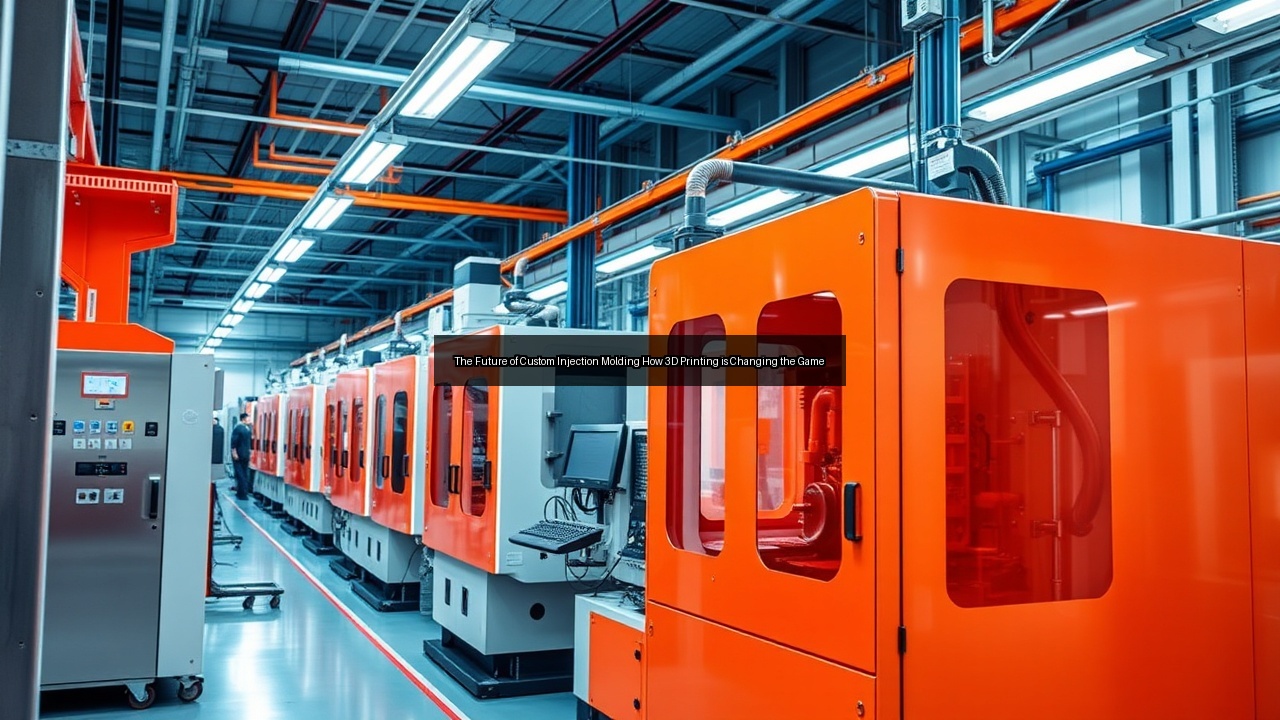
Revolutionizing Custom Plastic Injection Molding with 3D Printing
The Intersection of 3D Printing and Injection Molding
Custom plastic injection molding meets 3D printing at a pivotal point in manufacturing evolution. Traditional injection molding relies on steel or aluminum molds to produce high-volume plastic parts with precision and efficiency. Now, 3D printing enters the scene, allowing manufacturers to create prototypes and even production molds faster than ever. This intersection transforms custom manufacturing by blending additive manufacturing's flexibility with injection molding's scalability.
Consider how companies use 3D printing to fabricate injection molds directly from digital designs. Engineers upload CAD files into 3D printers, which layer materials like resin or metal to build complex mold geometries. This approach skips lengthy traditional mold-making processes, such as CNC machining or EDM, and accelerates the path from concept to custom plastic parts. In custom injection molding services, this means shorter lead times for clients needing bespoke solutions, like threaded inserts in medical devices or intricate designs for automotive components.
The synergy shines in bridge tooling, where 3D-printed molds serve as interim tools during full-scale production setup. These bridge tools handle moderate runs of injection molded parts, giving businesses a cost-effective way to test designs before committing to expensive steel molds. Surface finishes improve too, as 3D printing enables fine details that enhance the final plastic injection molding process. Manufacturers report up to 50% reductions in prototyping time, making custom molding more accessible for startups and small-batch producers.
Beyond prototypes, 3D printing supports hybrid workflows. For instance, a plastic injection molding company might 3D print mold inserts and integrate them into conventional setups, combining speed with durability. This method addresses related searches like custom mold making and injection molding process optimization, ensuring that custom plastic injection molding evolves into a more agile practice. As demand for personalized products grows, this intersection empowers designers to iterate rapidly, reducing waste and fostering innovation in fields from consumer electronics to aerospace.
Benefits of Integrating 3D Printing in Molding Processes
Integrating 3D printing into custom plastic injection molding delivers clear advantages that reshape production landscapes. Speed tops the list: 3D printing slashes mold creation time from weeks to days, enabling quicker iterations on designs for custom plastic parts. This agility proves vital for industries requiring rapid prototyping, where traditional methods lag behind.
Cost savings follow closely. Traditional injection molds demand high upfront investments in tooling and machining, but 3D-printed alternatives use affordable materials and minimize labor. A single 3D-printed mold can produce thousands of injection molded parts, offering a bridge to full production without breaking the bank. Pricing structures become more transparent, as clients pay less for initial setups in custom manufacturing scenarios.
Customization reaches new heights with this integration. 3D printing allows intricate geometries and undercuts that challenge conventional mold construction, perfect for overmolding or insert molding applications. Engineers embed features like laser engraving or specific surface finishes directly into the mold, enhancing the aesthetic and functional quality of final products. This flexibility caters to related searches such as custom plastic injection and thermoplastic injection molding, where unique specifications drive market differentiation.
Sustainability benefits emerge as well. 3D printing reduces material waste compared to subtractive methods like CNC machining, aligning with eco-conscious practices in plastic molding. Manufacturers achieve lighter molds that consume less energy during the injection process, lowering overall carbon footprints. In quality terms, 3D-printed tools enable precise control over cooling channels, minimizing defects in injection moldings and ensuring consistent output.
Finally, scalability improves. Start with 3D-printed prototypes for validation, then transition to hybrid or full injection molding for volume. This phased approach suits injection molding services targeting diverse clients, from toy makers to medical suppliers. By weaving 3D printing into the fabric of custom plastic injection molding, companies unlock efficiency, innovation, and competitiveness that traditional paths simply can't match. The result? A manufacturing ecosystem where ideas flow seamlessly into reality.
Advancements in Injection Molding Techniques
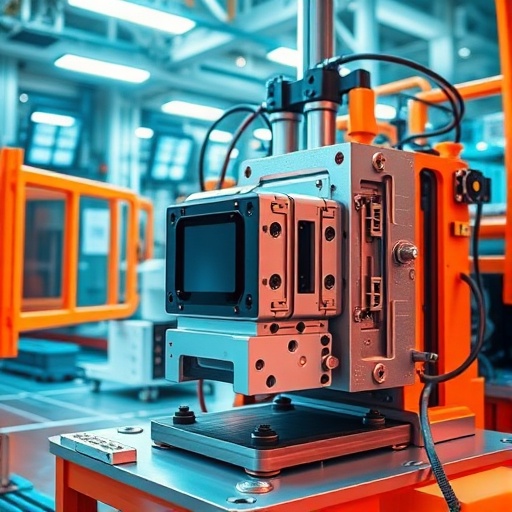
Exploring Overmolding and Insert Molding
Overmolding and insert molding stand as powerhouse techniques in custom plastic injection molding, enabling multilayered parts with superior functionality. Overmolding involves injecting a second material over a pre-formed substrate, creating bonded layers that enhance grip, insulation, or aesthetics. Manufacturers use this for handles on tools or soft-touch grips on electronics, where the outer layer adheres seamlessly to the inner structure.
Insert molding takes it further by placing metal or plastic inserts—like threaded inserts or circuits—into the mold before injecting molten plastic around them. This process secures components in place, ideal for assemblies in automotive dashboards or medical instruments. Precision matters here; improper alignment leads to weak bonds, but advanced custom molding services employ robotic handling for flawless integration.
These techniques thrive in custom manufacturing because they reduce assembly steps, cutting labor costs and boosting efficiency. In the injection molding process, overmolding allows diverse material pairings, such as rigid thermoplastics with flexible elastomers, to meet specific performance needs. Surface finishes play a key role, as the molding process can incorporate textures or colors in one shot, streamlining production of custom plastic parts.
Challenges exist, like managing thermal expansion between materials, but innovations in mold design mitigate them. Companies offering injection molding services now simulate these processes digitally to predict outcomes, ensuring high yields. For related searches like plastic injection molding process and custom plastic injection molding, overmolding and insert molding represent the pinnacle of versatility, allowing creators to build complex, durable products without multiple manufacturing stages.
Adoption spans industries: consumer goods benefit from ergonomic designs, while industrial applications gain from reinforced strength. As custom mold demands rise, these methods evolve with better adhesives and faster cycle times, solidifying their role in modern plastic injection molding. The outcome? Parts that perform better, look sharper, and cost less to produce over time.
The Role of Liquid Silicone Rubber in Modern Molding
Liquid silicone rubber (LSR) revolutionizes modern molding by injecting flexibility and biocompatibility into custom plastic injection molding workflows. Unlike traditional thermoplastics, LSR cures rapidly under heat and pressure, forming soft, durable parts resistant to extreme temperatures and chemicals. Manufacturers favor it for seals, gaskets, and medical components where rigidity falls short.
In the injection molding process, LSR flows into molds with precision, filling intricate details without voids. This suits custom manufacturing needs, especially in overmolding scenarios where LSR bonds to plastics for hybrid parts like waterproof electronics housings. The material's low viscosity ensures even distribution, enhancing surface finishes and reducing post-processing like laser engraving.
Key advantages include biocompatibility for healthcare applications—think pacifiers or surgical tools—and high tear strength for industrial uses. Custom plastic injection molding companies integrate LSR to meet stringent standards, producing parts that withstand sterilization without degrading. Pricing benefits arise from LSR's efficiency; shorter cure times mean higher throughput and lower per-unit costs in molding services.
Integration with other techniques amplifies LSR's impact. Pair it with insert molding for embedded metal components in wearable devices, or extrusion for continuous profiles. Challenges like material metering get solved through automated injection systems, ensuring consistency. For related searches such as liquid silicone rubber molding and plastic molding, LSR opens doors to innovative designs that traditional materials can't achieve.
Future-wise, LSR's role expands with sustainable formulations, reducing environmental impact in custom plastic parts production. Manufacturers report improved yields and versatility, making LSR indispensable in the toolkit of injection molding services. It bridges the gap between rigid functionality and flexible performance, driving advancements across sectors from automotive to consumer products.
Utilizing CNC Machining and EDM for Precision
CNC machining and EDM deliver unmatched precision in custom plastic injection molding, crafting molds that ensure flawless part reproduction. CNC machining uses computer-controlled tools to carve complex shapes from metal blanks, ideal for core and cavity details in injection molds. This subtractive process handles high tolerances, essential for features like undercuts or cooling channels.
EDM, or electrical discharge machining, excels at hard materials, eroding them with sparks to form intricate geometries without mechanical stress. In mold making, EDM shapes electrodes for fine details, such as threads or logos, that CNC might struggle with. Together, they form the backbone of custom manufacturing, producing tools that withstand millions of injection cycles.
Precision translates to quality: well-machined molds minimize flash and warping in the injection molding process, yielding consistent custom plastic parts. Surface finishes benefit immensely; post-machining polishing or texturing enhances release and aesthetics. For prototypes or bridge tools, these methods allow rapid adjustments, shortening lead times in injection molding services.
Cost factors weigh in—initial setup demands investment, but longevity offsets it for high-volume runs. Related searches like CNC machining for molds and EDM in injection molding highlight their indispensability. Innovations, such as multi-axis CNC, push boundaries, enabling one-piece constructions that streamline assembly.
In practice, a plastic injection molding company might CNC rough out a mold, then EDM refine it, integrating threaded inserts seamlessly. This combo supports diverse applications, from aerospace components to consumer gadgets. By prioritizing precision, CNC and EDM elevate custom plastic injection molding, ensuring products meet exacting standards while optimizing production efficiency.
Cost Implications and Pricing Structures
Understanding Cost Factors in Custom Injection Molding
Cost factors in custom injection molding hinge on several interconnected elements that dictate overall pricing. Material selection leads the pack: thermoplastics like ABS cost less than engineering resins or liquid silicone rubber, directly impacting per-part expenses in the injection process. Volume plays a huge role—high runs amortize mold costs, making custom plastic parts economical at scale.
Mold construction dominates upfront spending. Steel injection molds for production endure wear but command premium prices due to CNC machining and EDM requirements. For prototypes, aluminum or 3D-printed options cut costs significantly, suiting bridge tooling needs. Design complexity adds layers; intricate features demand more tooling time, inflating budgets for custom molds.
Labor and overhead contribute too. Skilled operators in injection molding services ensure quality, but their rates vary by region. Add inspection protocols, surface finishes, and secondary operations like laser engraving or threaded inserts, and costs climb. Lead times influence pricing—rushed jobs incur premiums, while standard schedules align with efficient workflows.
For related searches such as custom injection molding costs and plastic injection molding pricing, transparency matters. Companies break down quotes: tooling at 60-70% of initial outlay, materials at 10-20%, and processing the rest. Economies of scale emerge; a 10,000-unit run might drop per-unit costs by 40% versus 1,000 units.
Sustainability efforts, like recyclable materials, can offset costs long-term through efficiency gains. Understanding these factors empowers clients to optimize designs, balancing quality and budget in custom manufacturing. Ultimately, savvy navigation of cost drivers yields competitive pricing structures that fuel successful projects.
Comparing Traditional Molding Costs with 3D Printing Solutions
Traditional molding costs dwarf those of 3D printing solutions in initial tooling but shine in high-volume efficiency. Steel injection molds run $10,000 to $100,000, driven by machining and construction, while 3D-printed molds cost $500 to $5,000 using resins or polymers. This gap makes 3D printing ideal for low-volume custom plastic injection molding or prototypes.
Per-part economics shift with scale. Traditional setups excel beyond 10,000 units, where amortized tooling drops costs to pennies per injection molded part. 3D-printed tools, limited to softer materials, suit bridge runs up to 1,000 pieces but wear faster, raising long-term expenses. Material waste in traditional subtractive methods contrasts with 3D's additive efficiency, though post-printing finishes add steps.
Lead times factor heavily: traditional molds take 4-12 weeks, versus 3D's 1-2 weeks, slashing inventory holding costs. In custom manufacturing, this speed justifies premiums for urgent projects. Energy use varies—3D printing consumes more per build, but traditional injection cycles optimize for mass output.
Related searches like injection molding cost comparison and 3D printing vs. traditional molding reveal hybrids as winners: 3D for inserts or cores within steel molds blends benefits. Quality holds steady, with both delivering precise custom plastic parts, though traditional offers superior surface finishes without extras.
Overall, 3D printing disrupts by lowering entry barriers for startups, while traditional dominates sustained production. Clients weigh run size, complexity, and timeline to choose, often starting with 3D for validation before scaling. This comparison underscores a flexible future in pricing structures for injection molding services.
Quality Assurance and Inspection in Custom Manufacturing
ISO 9001 Standards in Plastic Injection Molding
ISO 9001 standards anchor quality assurance in plastic injection molding, ensuring processes meet global benchmarks for consistency and customer satisfaction. Certification demands documented procedures for design, production, and inspection, minimizing defects in custom plastic parts. Manufacturers implement risk-based thinking to foresee issues like mold misalignment or material inconsistencies.
In the injection molding process, ISO 9001 guides everything from raw material sourcing to final packaging. Suppliers verify thermoplastics or liquid silicone rubber against specs, while molds undergo rigorous testing for tolerances. This framework supports custom manufacturing by standardizing workflows, reducing variability in overmolding or insert molding applications.
Benefits ripple outward: certified companies like plastic injection molding services gain trust, securing contracts in regulated sectors such as medical or automotive. Audits enforce continuous improvement, incorporating feedback to refine surface finishes or cycle times. For related searches on ISO 9001 in injection molding and quality in custom plastic injection, compliance signals reliability.
Training forms a core pillar—employees master protocols for handling tools and conducting in-process checks. Digital tools track metrics, from injection pressure to part dimensions, ensuring traceability. Challenges like adapting to new technologies, such as 3D-printed molds, get addressed through updated procedures.
Ultimately, ISO 9001 elevates custom injection molding from reactive fixes to proactive excellence, delivering defect-free products that exceed expectations. It fosters a culture of precision, where every step—from mold making to delivery—upholds the highest standards.
Implementing Inspection Protocols for Consistent Quality
Inspection protocols in custom manufacturing lock in consistent quality by systematically verifying parts at every stage of the injection molding process. Visual checks catch surface defects early, while dimensional gauging ensures tolerances down to microns, crucial for threaded inserts or prototypes.
Automated systems amplify human efforts: CMMs scan custom plastic parts for deviations, and vision cameras detect flaws in high-speed lines. In overmolding, protocols test bond strength via pull tests, preventing failures in end-use. Statistical process control monitors variables like temperature, flagging drifts before they impact output.
For injection molded components, protocols include material certification and mold maintenance logs, tying back to ISO 9001. Secondary inspections cover laser engraving or finishes, ensuring aesthetic specs. Related searches such as inspection in plastic injection molding and quality control in custom molding underscore their role in yield optimization.
Implementation starts with protocol design tailored to product complexity—simple parts need basic checks, while intricate ones demand full metrology. Training equips teams, and data analytics refines methods over time. Costs rise slightly, but reduced rework saves far more.
Consistent quality builds reputations; protocols enable quick issue resolution, maintaining client trust. In bridge tooling or full production, they guarantee that custom plastic injection molding delivers reliable, high-performing parts every time.
Future Trends in Custom Injection Molding
The Impact of Customization on Consumer Products
Customization reshapes consumer products through custom plastic injection molding, empowering brands to offer personalized items that boost engagement and loyalty. From monogrammed phone cases to tailored fitness gear, injection molded parts enable unique designs at scale, blending mass production with individual flair.
Consumer demand drives this shift; shoppers crave variety, and molding services respond with flexible tooling like 3D-printed inserts for quick changes. Overmolding adds tactile personalization, such as custom grips or colors, enhancing user experience in everyday items like kitchen tools or apparel accessories.
Market impacts are profound: customized products command premiums, with studies showing 20-30% sales uplifts. In plastic injection molding, this means shorter runs via bridge tools, reducing waste. Related searches on customization in injection molding and consumer plastic parts highlight growing e-commerce integration, where online configurators feed directly into mold designs.
Challenges include balancing cost with intricacy, but advancements in simulation software predict outcomes, minimizing errors. Sustainability ties in—customization uses less material through optimized designs, appealing to eco-aware buyers.
Looking ahead, AR previews let consumers visualize products, streamlining the path from idea to injection molded reality. This trend transforms consumer goods into extensions of personal identity, with custom manufacturing at the forefront.
Emerging Technologies in Injection Molding Services
Emerging technologies propel injection molding services into a smarter era, integrating AI, IoT, and advanced materials for unprecedented efficiency. AI optimizes mold designs by analyzing vast datasets, predicting defects in custom plastic injection molding before production begins.
IoT sensors embedded in machines monitor real-time parameters like pressure and temperature, enabling predictive maintenance that cuts downtime by 30%. In overmolding or LSR applications, this ensures flawless multilayer bonds. 3D printing evolves too, with metal-infused filaments creating durable tools for higher volumes.
Nanotechnology enhances materials, yielding stronger, lighter parts for consumer and industrial uses. Related searches like future of injection molding services and emerging tech in plastic molding capture excitement around hybrid processes, such as combining extrusion with injection for complex profiles.
Sustainability tech shines: bio-based resins reduce reliance on petroleum, while energy-efficient machines lower footprints. Digital twins simulate entire workflows, accelerating prototyping and customization.
These innovations make injection molding services more agile and accessible, catering to diverse needs from prototypes to mass custom plastic parts. The future promises faster, greener, and more precise manufacturing that keeps pace with global demands.
See Also
- Unlocking the Secrets of Custom Plastic Injection Molding for Your Next Project
- Innovative Uses of Liquid Silicone Rubber in Custom Injection Molding Applications
- The Role of Inspection and Quality Control in Custom Plastic Injection Molding
- From Concept to Creation The Step-by-Step Process of Custom Plastic Injection
- Overmolding vs Insert Molding Which Technique is Right for Your Custom Parts