The Evolution of Plastic Injection Molding in Modern Manufacturing
The Basics of Plastic Injection Molding
Understanding the Injection Molding Process
Plastic injection molding serves as a cornerstone of modern manufacturing, enabling the mass production of intricate plastic parts with precision and efficiency. The process begins with heating thermoplastic materials until they reach a molten state. Once liquefied, the material is injected into a precisely engineered injection mold. This mold dictates the shape and dimensions of the final product. After a brief cooling period, the solidified plastic part is ejected from the mold, ready for further processing or assembly. This rapid cycle allows manufacturers to produce large quantities of injection molded plastic components, significantly reducing production times compared to traditional manufacturing methods.
Key Components of Injection Molding
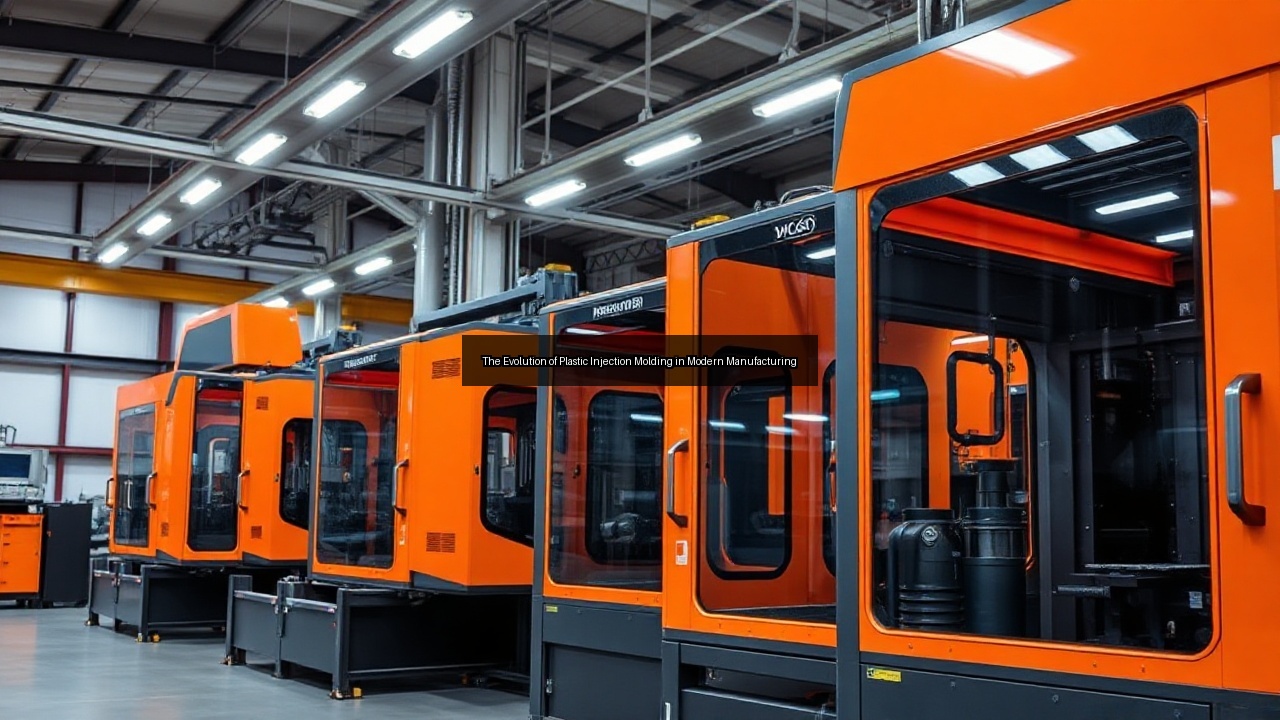
A successful injection molding operation comprises several key components. The injection unit, which includes a heated barrel and a screw mechanism, melts the thermoplastic resin and injects it into the mold. The mold itself, crafted from steel or aluminum, is designed to withstand high pressures and temperatures while maintaining dimensional accuracy. Additionally, the clamping unit secures the mold halves together during the injection process to prevent leakage. Auxiliary equipment, such as chillers and conveyors, also plays a crucial role in supporting the injection molding process by regulating temperature and facilitating the movement of parts.
Types of Thermoplastic Materials Used
Various thermoplastic materials are employed in plastic injection molding, each offering unique properties that suit specific applications. Acrylonitrile Butadiene Styrene (ABS) stands out for its strength and impact resistance, making it ideal for automotive parts and consumer products. Polyoxymethylene (POM), known for its low friction and high wear resistance, is often used in precision parts like gears and bearings. Polypropylene, another popular choice, exhibits excellent chemical resistance and flexibility, making it suitable for packaging and household items. Understanding the characteristics of these thermoplastic materials is essential for selecting the right one for a specific injection molding project.
Advancements in Injection Molding Technology
Innovations in Injection Mold Design
Innovations in injection mold design have transformed the efficiency and capabilities of plastic injection molding. Advanced computer-aided design (CAD) software allows engineers to create complex mold geometries that were previously impossible or cost-prohibitive. Furthermore, the integration of simulation software enables manufacturers to predict potential issues, such as warpage or flow problems, before the actual production begins. This proactive approach minimizes costly revisions and enhances product quality. Techniques like conformal cooling—where cooling channels are designed to match the mold's geometry—improve cooling efficiency and reduce cycle times, resulting in higher productivity and lower energy consumption during the injection molding process.
Enhanced Materials: ABS, POM, and Polypropylene
Recent advancements in materials science have led to the development of enhanced thermoplastic materials that significantly improve the performance of injection molded products. For instance, modifications to ABS can increase its heat resistance and impact strength, making it more suitable for demanding applications. Similarly, POM has evolved to include variants that offer enhanced chemical resistance and thermal stability. Polypropylene continues to see innovations, such as the introduction of fiber-reinforced grades that enhance its tensile strength and rigidity. These enhanced materials not only improve product performance but also expand the range of applications for plastic injection molding in various industries, including automotive, electronics, and consumer goods.
The Role of Recycled Plastic in Modern Manufacturing
The shift toward sustainability has significantly influenced modern manufacturing practices, particularly in plastic injection molding. Recycled plastic is increasingly being incorporated into production processes, allowing manufacturers to reduce their environmental footprint while still meeting the demand for high-quality products. The use of recycled thermoplastics can lower production costs and reduce reliance on virgin materials, contributing to a circular economy. However, the integration of recycled plastic requires careful consideration of material properties and processing parameters to ensure product quality and performance. Manufacturers who successfully navigate these challenges can benefit from a competitive edge in the evolving market landscape.
Common Challenges in Plastic Injection Molding
Identifying and Resolving Molding Defects
Molding defects pose significant challenges in plastic injection molding, affecting product quality and overall manufacturing efficiency. Common defects include flash, short shots, and warpage. Flash occurs when excess material seeps out of the mold, while short shots result from insufficient material filling the mold cavity, leading to incomplete parts. Warpage can distort the shape of a finished product, compromising its functionality. Identifying the root cause of these molding defects often requires thorough analysis, including reviewing the injection parameters, mold design, and material selection. Through diligent troubleshooting, manufacturers can implement corrective actions to minimize defects and enhance production reliability.
The Impact of Sink Marks on Product Quality
Sink marks represent a specific type of defect that can significantly impact the visual and functional quality of injection molded products. They occur when the surface of a molded part sinks or depresses due to uneven cooling or insufficient material flow. Often visible as small dimples or indentations, sink marks can detract from the aesthetic appeal of a product and may also affect structural integrity. To mitigate sink marks, manufacturers can optimize the injection molding process by adjusting material flow rates, increasing packing pressure, and ensuring uniform cooling. By addressing these factors, producers can achieve a higher level of quality in their injection molded components.
Troubleshooting Injection Molding Issues
Troubleshooting injection molding issues requires a systematic approach to analyze and resolve problems efficiently. Issues can arise from various sources, including machine settings, material properties, or mold design. Operators must monitor key parameters such as temperature, pressure, and cycle time, comparing them against established benchmarks. Additionally, conducting regular maintenance on equipment and molds ensures optimal performance and minimizes downtime. When faced with persistent issues, manufacturers may benefit from consulting with experienced professionals or utilizing diagnostic tools that provide insights into the injection molding process. A proactive troubleshooting strategy fosters continuous improvement and enhances overall productivity.
The Future of Plastic Injection Molding
Process Optimization Techniques
The future of plastic injection molding lies in advanced process optimization techniques that enhance efficiency and reduce waste. Techniques such as real-time monitoring and data analytics allow manufacturers to track operational performance, identify inefficiencies, and make data-driven decisions. Implementing Industry 4.0 concepts, including automation and robotics, can streamline workflows and improve precision in the injection molding process. Additionally, predictive maintenance models leverage machine learning algorithms to anticipate equipment failures before they occur, minimizing disruptions and extending the lifespan of critical machinery. These process optimization techniques will play a vital role in shaping the future landscape of plastic manufacturing.
Sustainability in Plastic Manufacturing
Sustainability continues to drive innovation in plastic injection molding, pushing manufacturers to adopt eco-friendly practices. The increased use of bioplastics and bio-based materials offers an environmentally responsible alternative to traditional petrochemical-based thermoplastics. Manufacturers are also exploring energy-efficient machinery and processes that reduce carbon emissions and energy consumption. By embracing sustainable practices, companies can not only meet regulatory requirements but also appeal to environmentally conscious consumers. This commitment to sustainability enhances brand reputation and positions manufacturers as leaders in the evolving landscape of plastic manufacturing.
Emerging Trends in Injection Molding Technology
Emerging trends in injection molding technology signal a shift towards greater efficiency and customization. The rise of additive manufacturing, or 3D printing, complements traditional injection molding by enabling rapid prototyping and low-volume production runs. Hybrid manufacturing techniques combine the speed of injection molding with the design flexibility of 3D printing, allowing for innovative product development. Additionally, advancements in materials science continue to expand the possibilities of injection molded products, including the development of smart plastics that respond to environmental stimuli. As these trends evolve, manufacturers must stay informed and adapt to maintain a competitive edge in the dynamic field of plastic injection molding.