The Evolution of Industrial Platforms A Look Back and Forward
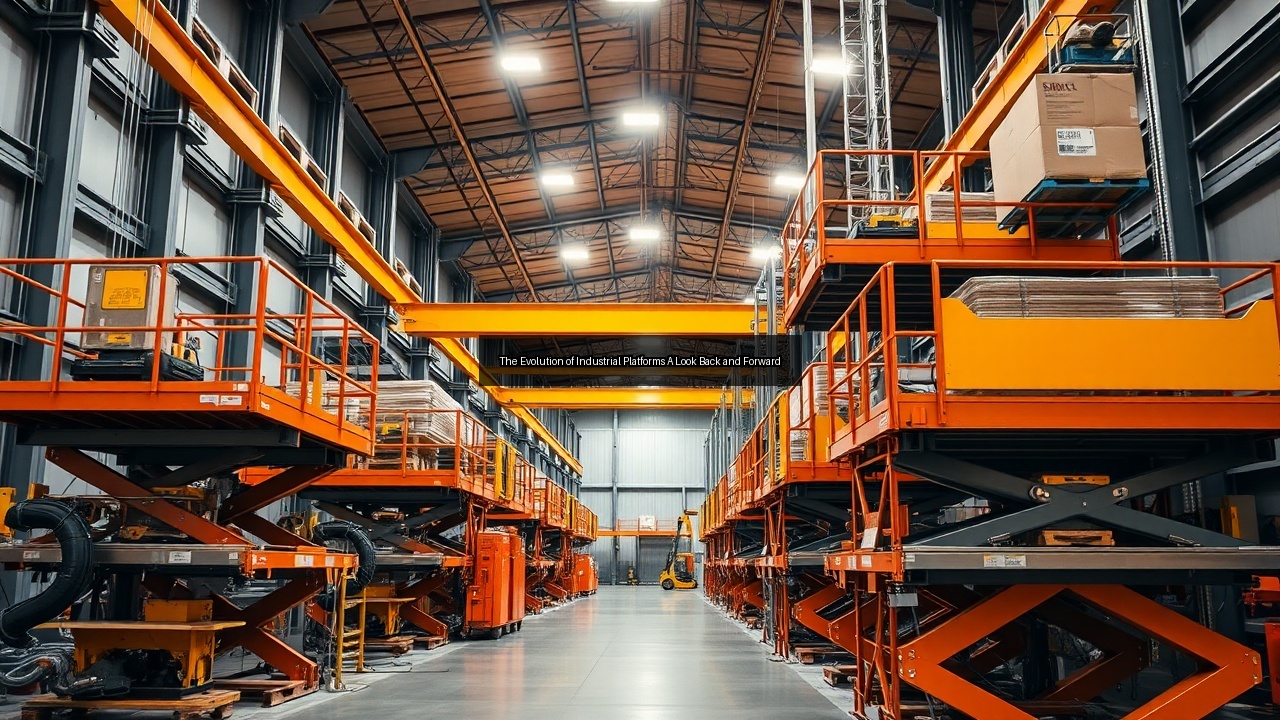
The Historical Context of Industrial Work Platforms
Origins of Industrial Platforms
The concept of industrial work platforms dates back to the early days of industrialization when laborers needed efficient ways to access materials and perform tasks at various heights. Early platforms were rudimentary, often constructed from wood and designed merely to elevate workers above ground level. The initial designs lacked the safety features and structural integrity we expect today. As industries grew, so did the complexity of tasks, driving the demand for more sophisticated platforms. Innovations came with the introduction of metal materials, particularly aluminum and steel, which provided the strength necessary for larger and more dynamic work environments.
Key Innovations in Material Handling
Throughout the 20th century, advancements in material handling revolutionized industrial platforms. The introduction of cranes, conveyors, and other material handling equipment transformed how industries approached logistics and workflow. Cranes allowed for seamless lifting of heavy items, while conveyor systems streamlined the movement of products across manufacturing and warehouse spaces. These innovations necessitated the development of platforms that could safely support both the equipment and the workers involved in these processes. As a result, platforms evolved to include features like adjustable heights and modular designs, allowing for greater flexibility in various applications.
Evolution of Scaffolding and Support Structures
Scaffolding has long played a pivotal role in the evolution of industrial work platforms. Originally designed for construction, scaffolding systems began to incorporate more durable materials and safety measures, such as guardrails and cross bracing. As the industrial sector expanded, the range of scaffolding types diversified, giving rise to cantilever, trestle, and even modular scaffolding systems. This evolution reflects a broader trend toward safety, efficiency, and adaptability in industrial work environments. Today’s scaffolding systems not only support construction but also serve a variety of applications in warehouses, factories, and loading docks, showcasing their versatility in the modern industrial landscape.
Types of Industrial Work Platforms
Aluminum vs. Steel Work Platforms
When choosing industrial work platforms, the material plays a crucial role in determining their suitability for specific tasks. Aluminum work platforms are lightweight and resistant to corrosion, making them ideal for environments where mobility and ease of transport are essential. They offer excellent load-bearing capabilities while reducing the overall weight of the platform, which is beneficial for operations requiring frequent relocation. On the other hand, steel work platforms provide unmatched strength and durability, particularly suited for heavy-duty applications. Their robust nature makes them the preferred choice in environments where platforms must support significant loads and withstand harsh conditions. Ultimately, the choice between aluminum and steel work platforms hinges on the specific demands of the job, including weight capacity, environmental factors, and the anticipated duration of use.
Gantry and Trestle Platforms
Gantry and trestle platforms represent two distinct types of industrial work platforms, each serving specific functions across various sectors. Gantry platforms, characterized by their overhead support structure, allow for easy access to elevated work areas, making them ideal for assembly lines or maintenance tasks in factories. Their design often incorporates wheels for mobility, enabling quick repositioning as needed. Conversely, trestle platforms offer stability and versatility, making them suitable for construction and warehouse settings. These platforms provide a flat surface elevated by legs or supports, allowing workers to perform tasks at height safely. Both types of platforms are critical in optimizing workflow, enhancing accessibility, and ensuring safety in industrial environments.
Access Platforms for Different Industries
Access platforms serve a vital role across diverse industries, enabling workers to reach high spaces safely and efficiently. These platforms come in various forms, including mobile scaffolds, aerial lifts, and fixed installations, tailored to specific operational needs. In manufacturing settings, access platforms facilitate maintenance and inspection of equipment, such as cranes and conveyors, ensuring optimal performance. In logistics and warehousing, they provide workers with safe access to high racks and shelving systems, enhancing productivity during order picking and inventory management. The versatility of access platforms makes them indispensable in sectors ranging from construction to aerospace, demonstrating their essential nature in modern industrial operations.
Modern Applications and Technologies
Ergonomic Design in Platform Development
Modern industrial work platforms increasingly prioritize ergonomic design to enhance worker comfort and productivity. Ergonomic considerations include adjustable platform heights and features that reduce strain on workers, such as anti-slip surfaces and easy-to-reach controls. By fostering a safer work environment, ergonomic platforms minimize the risk of injuries, which can lead to increased downtime and decreased efficiency. Manufacturers now focus on creating platforms that accommodate various worker sizes and tasks, promoting adaptability in dynamic work settings. Implementing ergonomic principles industrial equipment not only improves worker satisfaction but also boosts overall operational efficiency, a critical factor for competitive industries.
Integration of Automation and Conveyors
The integration of automation into industrial work platforms marks a significant shift in material handling and workflow efficiency. Automated systems, such as conveyors and robotic arms, streamline operations, reducing manual labor and minimizing error. These systems rely on strategically designed platforms that can support the weight and movement of automated machinery, allowing for seamless transitions between tasks. For instance, automated conveyors transport goods across production lines and loading docks, while platforms provide workers with access to oversee and manage these processes. This synergy between automation and platform design elevates operational efficiency and enhances safety, minimizing the risk of accidents associated with manual handling.
Safety Features: Guardrails and Platform Height Considerations
Safety features are paramount in the design of modern industrial work platforms. Guardrails are essential, providing a physical barrier that prevents falls and enhances worker safety, particularly when platforms are elevated. The height of the platform must also be carefully considered during design, ensuring compliance with safety regulations while enabling easy access to work areas. Adjustable height mechanisms allow for customization based on specific tasks, promoting versatility. Furthermore, platforms must incorporate stability features to withstand varying loads and prevent tipping. By prioritizing safety in platform design, industries can protect their workforce and reduce liability, fostering a culture of safety that enhances productivity and morale.
Future Trends and Challenges in Industrial Platforms
Sustainability in Material Handling Equipment
Sustainability emerges as a critical consideration in the future of industrial work platforms. Manufacturers increasingly focus on eco-friendly materials and production methods to minimize environmental impact. This shift involves using recyclable materials like aluminum and employing energy-efficient manufacturing processes. Furthermore, the design of platforms is evolving to prioritize longevity and durability, reducing waste associated with frequent replacements. As industries face growing pressure to adopt sustainable practices, the demand for environmentally responsible platforms will likely rise, shaping the future landscape of material handling equipment.
The Impact of E-commerce on Warehouse Platforms
The rapid growth of e-commerce has fundamentally altered the landscape of warehouse operations, directly influencing the design and functionality of industrial work platforms. Warehouses must now accommodate a higher volume of inventory and facilitate quicker order fulfillment, necessitating innovative platform solutions. Multi-level mezzanine platforms and automated picking systems have gained popularity, allowing for efficient use of vertical space and streamlined logistics. As e-commerce continues to expand, platforms will play a crucial role in enabling warehouses to adapt to changing demands, focusing on speed, efficiency, and safety.
Emerging Technologies in Crane and Loading Dock Systems
Emerging technologies are reshaping crane and loading dock systems, impacting the design and functionality of industrial work platforms. Innovations include smart cranes equipped with sensors that enhance precision and safety during material handling. Additionally, automated loading dock systems streamline the process of unloading trucks and trailers, reducing wait times and improving efficiency. The integration of these technologies into work platforms allows for greater adaptability and responsiveness to operational needs. As industries seek to optimize their processes, the incorporation of advanced technologies will drive the evolution of industrial work platforms, ensuring they remain relevant and effective in a rapidly changing environment.
See Also
- Building a Safer Workplace with Guardrails on Industrial Platforms
- Elevating Efficiency How Industrial Work Platforms Transform Warehouses
- Exploring the Benefits of Cantilever Work Platforms for Heavy Duty Tasks
- Trestle Platforms A Robust Solution for Elevated Workspaces
- The Role of Work Platforms in Streamlining Material Handling