Maximizing Cost Efficiency in High Volume Plastic Injection Projects
Understanding High Volume Injection Molding
What is High Volume Injection Molding?
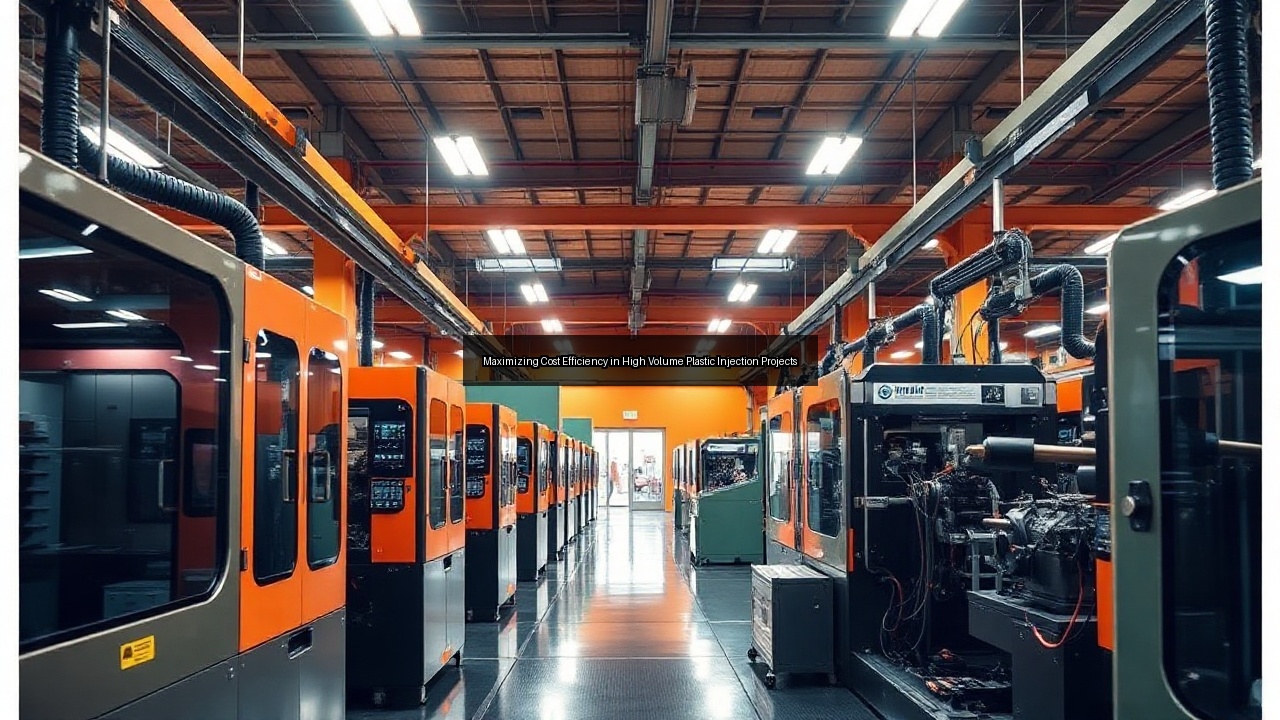
High volume injection molding delivers thousands to millions of identical plastic parts through repeated cycles in a single injection mold. Manufacturers rely on high volume injection molding services to produce components for automotive, consumer electronics, and medical devices where consistency matters most. The process forces molten plastic into precision molds under high pressure, then cools and ejects finished parts rapidly. This approach supports large-scale production runs that smaller methods cannot match economically. Engineers design molds with multiple cavities to increase output per cycle, directly lowering per-unit costs as volume rises. High volume injection molding services integrate tightly with downstream assembly lines, ensuring parts arrive ready for immediate use without secondary operations in many cases.
Key Benefits of High Volume Injection Molding Services
High volume injection molding services cut unit costs dramatically once initial tooling expenses are covered. Production speeds reach hundreds of cycles per hour, enabling fast fulfillment of large orders. Part-to-part repeatability stays tight across millions of units because the injection mold maintains exact dimensions throughout the run. Waste drops when process parameters stabilize, and scrap material often returns directly into the feed stream. Companies gain supply-chain predictability since output rates remain steady regardless of minor fluctuations in demand. These services also support complex geometries that machining or other high-volume methods struggle to replicate at similar speeds and prices.
Common Materials Used in High Volume Projects
Thermoplastics dominate high volume projects because they melt and solidify repeatedly without degrading. ABS, or acrylonitrile butadiene styrene, offers impact resistance and easy coloring for consumer goods. Polypropylene provides chemical resistance and low density, suiting packaging and automotive trim. Polycarbonate delivers optical clarity and toughness for housings and lenses. High impact polystyrene balances stiffness with affordability for disposable items, while polyvinyl chloride handles flexible tubing and seals. Acrylic appears in lighting applications where transparency is required. Material selection directly influences cycle time, mold wear, and final part performance, so engineers match resin properties to both functional needs and production economics.
Optimizing Cost Efficiency in Plastic Injection Projects

Cost Factors in High Volume Injection Molding
Material price per kilogram forms the largest ongoing expense in high volume injection molding. Tooling amortization spreads across every part produced, so higher volumes drive this cost toward zero. Machine time, energy consumption, and labor for setup and monitoring add fixed elements that decrease per unit as output climbs. Secondary operations such as painting, printing, or assembly increase total cost unless eliminated through smart part design. Scrap rates, downtime, and quality rejections further erode margins when process control falters. High volume injection molding services track these variables in real time to maintain tight control over total landed cost.
Strategies for Cost Reduction
Design parts with uniform wall thickness to shorten cooling times and reduce material usage. Consolidate multiple components into single molded pieces through clever geometry to eliminate assembly steps. Choose resins that process at lower temperatures or faster cycles without sacrificing strength. Negotiate long-term material contracts once annual volumes stabilize. Optimize gate locations and runner systems to minimize waste. Implement statistical process control to catch deviations before they generate large quantities of rejects. High volume injection molding services often achieve 15 to 30 percent cost savings by applying these tactics systematically across the entire production program.
The Role of Process Control in Cost Efficiency
Precise process control maintains melt temperature, injection speed, and pack pressure within narrow windows that produce acceptable parts on every shot. Sensors inside the injection mold feed data to controllers that automatically adjust parameters, preventing overpacking or short shots. Stable processes reduce the need for constant operator intervention and cut scrap dramatically. Real-time monitoring also predicts when maintenance is required, avoiding unplanned downtime that destroys cost targets. Companies that invest in closed-loop control systems typically see both higher yields and lower energy use per part, directly improving overall project economics in high volume runs.
Advanced Techniques in High Volume Injection Molding
Rapid Tooling: Speeding Up Production
Rapid tooling bridges the gap between prototype and full production by creating durable injection molds in weeks instead of months. Aluminum or hybrid steel inserts handle moderate volumes while engineers validate designs. Once volumes justify it, manufacturers transition to hardened steel molds that last for millions of cycles. High volume injection molding services use rapid tooling to launch products faster and capture market share before competitors react. The approach also allows design tweaks without scrapping expensive tooling, preserving capital that would otherwise sit idle during long lead times.
Overmolding and Insert Molding Explained
Overmolding bonds a soft elastomer layer onto a rigid thermoplastic substrate in one automated sequence, creating comfortable grips or seals without extra assembly. Insert molding places metal or electronic components inside the mold before plastic flows around them, producing integrated parts that resist separation. Both techniques reduce part count and labor costs in high volume production. High volume injection molding services apply these methods to automotive controls, medical devices, and power tools where multiple materials must function as a single unit. Proper mold design and material compatibility prevent delamination even after years of use.
The Impact of 3D Printing on Injection Molding
3D printing accelerates mold development by producing conformal cooling channels that conventional machining cannot create. These channels shorten cycle times by 20 to 40 percent in high volume runs, delivering immediate cost savings. Printed prototypes also validate part designs before committing to expensive steel molds. Some service providers now print low-volume bridge tooling that supports thousands of parts while final production molds are fabricated. The combination of 3D printing and traditional injection molding shortens time-to-market without sacrificing the economics of large-scale plastic production.
Material Selection for Maximum Performance

Comparing Thermoplastics: ABS, Polypropylene, and Polycarbonate
ABS provides excellent dimensional stability and surface finish for painted or plated parts. Polypropylene resists fatigue and chemicals at lower cost, making it ideal for living hinges and containers. Polycarbonate withstands higher temperatures and impacts, suiting protective covers and lenses. Each resin affects mold design, cycle time, and secondary operations differently. High volume injection molding services evaluate shrinkage rates, flow characteristics, and regulatory requirements before selecting the optimal material. Wrong choices lead to warpage, sink marks, or premature field failures that erase projected savings.
Flexible Plastics and Their Applications
Flexible plastics such as thermoplastic elastomers and certain grades of polyvinyl chloride deliver soft-touch surfaces and vibration damping. These materials appear in medical tubing, ergonomic handles, and cable strain reliefs where rigidity would cause failure. High volume injection molding services combine flexible plastics with rigid substrates through overmolding to create multi-durometer parts in single cycles. Proper drying, temperature control, and mold venting prevent defects that become costly at scale. Material suppliers continue to introduce grades with improved processing windows that further reduce cycle times.
High Impact Polystyrene and Polyvinyl Chloride in Molding
High impact polystyrene offers good stiffness-to-cost ratio for point-of-purchase displays and appliance housings. Its predictable shrinkage supports tight tolerances across large production runs. Polyvinyl chloride provides inherent flame retardancy and weather resistance for outdoor and electrical applications. Both resins process at relatively low temperatures, extending mold life and lowering energy consumption. High volume injection molding services match these materials to part requirements while monitoring additive packages that influence color retention and impact performance over time.
Ensuring Scalability and Automation in Production
Automated Solutions for High Volume Production
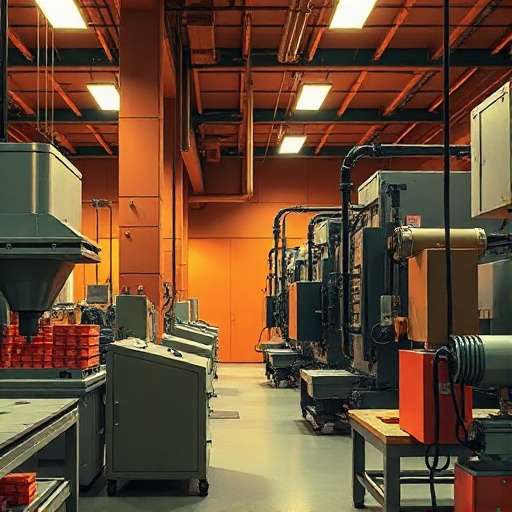
Automated systems handle part removal, sprue cutting, and inline inspection without human intervention. Robots transfer parts to conveyors or secondary machines, maintaining consistent cycle times around the clock. Vision systems detect cosmetic defects before parts reach packaging, protecting quality at scale. High volume injection molding services integrate these automated cells with enterprise resource planning software to track overall equipment effectiveness and trigger maintenance alerts. The result is higher throughput with fewer operators per machine, directly improving labor cost per part.
Scalability Considerations in Injection Molding
Scalability begins with mold design that accommodates additional cavities or family molds as demand grows. Machine selection must allow tonnage increases without major facility changes. Material supply contracts should include volume-based pricing tiers. High volume injection molding services plan for these expansions during initial quoting to avoid costly retooling later. Process parameters developed for one machine must transfer cleanly to larger or additional presses, preserving part quality and cost targets across the entire production ramp.
Future Trends in High Volume Plastic Injection Molding Services
Electric and hybrid machines continue to replace hydraulic models, cutting energy use by up to 60 percent. In-mold sensors and artificial intelligence now adjust parameters in real time to maintain quality even as resin lots vary. Sustainable resins with higher recycled content enter mainstream use without sacrificing cycle times. High volume injection molding services adopt these advances to meet both cost and environmental targets. Companies that stay ahead of these trends secure lasting competitive advantages in markets where margins tighten every year.
See Also
- 3D Printing and High Volume Injection Molding a Perfect Partnership
- The Future of Manufacturing Relying on High Volume Injection Molding
- Transforming Production with Advanced High Volume Injection Techniques
- The Role of Process Control in High Volume Injection Molding Efficiency
- Scalability in High Volume Injection Molding for Growing Businesses