Mastering Pipe Spool Fabrication for Efficient Construction Projects
Understanding Pipe Spool Fabrication
Overview of Pipe Spool Fabrication
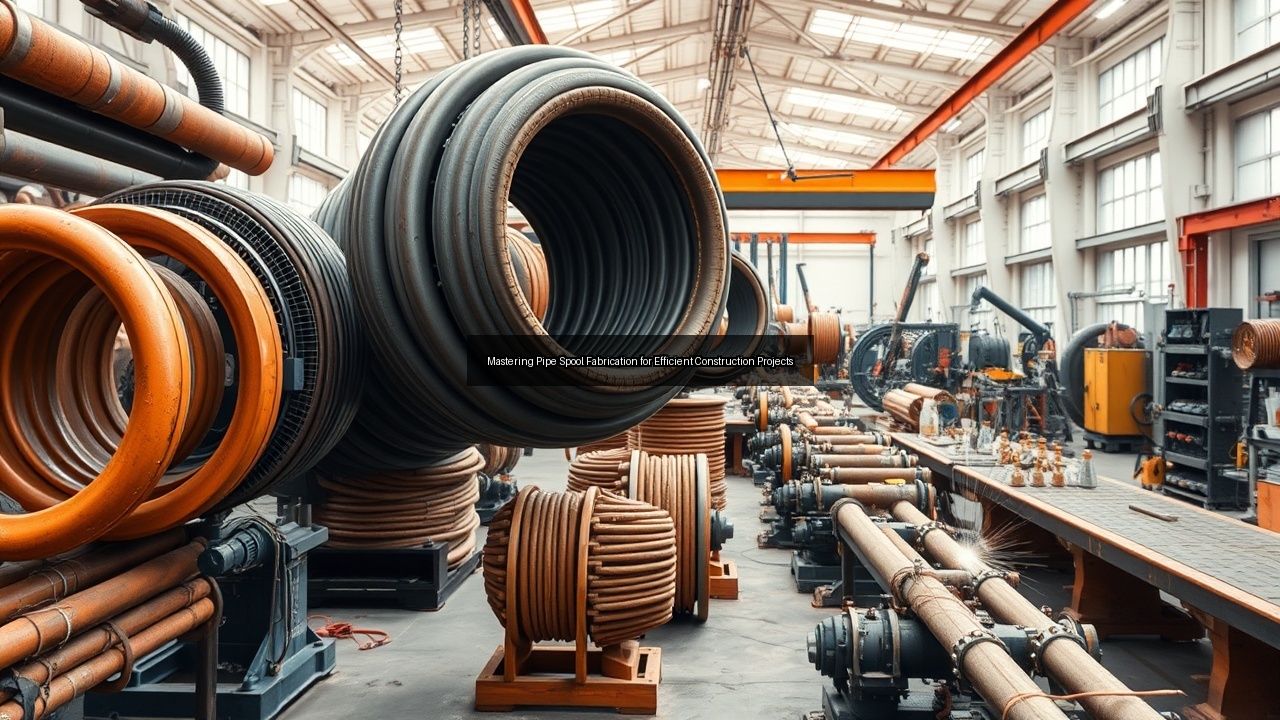
Pipe spool fabrication forms the backbone of efficient piping systems in construction projects. Workers prefabricate these modular units off-site, assembling pipes, fittings, and valves into ready-to-install sections. This approach streamlines on-site installation, reduces downtime, and minimizes errors during the construction phase. In essence, pipe spool fabrication involves creating pre-assembled pipe components that connect seamlessly into larger piping networks for industries like oil and gas, power plants, and water treatment facilities. Engineers design spools to match exact project specifications, ensuring compatibility with the overall engineering layout. The process enhances safety by limiting hot work on crowded job sites and accelerates project timelines through spool production in controlled fabrication shops. Companies specializing in pipe fabrication solutions often handle everything from initial design to final packaging, delivering high-quality pipe spools that withstand demanding environments. By focusing on precision manufacturing, pipe spool fabrication cuts costs associated with rework and boosts overall project efficiency. This method has evolved with modern needs, incorporating advanced techniques to produce durable spool assemblies that support complex piping infrastructures.
Key Components of Pipe Spools
Pipe spools consist of several essential elements that ensure structural integrity and functional performance. Central to each spool is the pipe itself, typically a cylindrical tube made from robust metal like steel, serving as the conduit for fluids or gases. Pipe fittings connect these tubes, including elbows, tees, reducers, and couplings, which allow directional changes and size transitions within the piping system. Flanges provide bolted connections to adjacent spools or equipment, featuring raised faces or flat surfaces for secure sealing. Valves integrate into spools to control flow, ranging from gate valves for on-off operations to ball valves for quick throttling. Supports and brackets maintain alignment and bear loads, preventing sagging or vibration issues. Welds join these components, creating leak-proof bonds critical to the spool's reliability. In spool assembly, engineers select components based on pressure ratings and flow requirements, ensuring the entire unit meets engineering standards. Pipe spool fabrication experts emphasize compatibility among these parts to avoid mismatches that could compromise the construction project's piping network. Overall, these key components enable spools to function as self-contained units, ready for efficient integration into larger systems.
Materials Used in Fabrication: Carbon Steel and Beyond
Carbon steel dominates pipe spool fabrication due to its strength, affordability, and versatility in handling high-pressure applications. This metal alloy, primarily iron with carbon content up to 2.1%, offers excellent weldability and forms the basis for pipes, fittings, and flanges in most industrial spools. Fabricators shape carbon steel into tubes and components using machines that ensure uniform thickness for durability. Beyond carbon steel, stainless steel enters the mix for corrosive environments, resisting rust through chromium additions that form protective oxide layers. Alloy steels, incorporating elements like chromium or nickel, enhance high-temperature resistance, ideal for power generation piping. For specialized needs, fabricators use non-metallic materials like PVC for low-pressure water lines or composites for lightweight, chemical-resistant spools. Material selection hinges on factors such as operating temperature, fluid type, and exposure to corrosion, guiding the choice in pipe fabrication solutions. In construction projects, mixing materials requires careful engineering to prevent galvanic reactions that accelerate degradation. Pipe spool fabrication services prioritize sourcing high-grade metals to guarantee longevity, with carbon steel remaining the go-to for cost-effective, robust spool production across diverse sectors.
The Fabrication Process: From Design to Production
Designing Efficient Pipe Spools
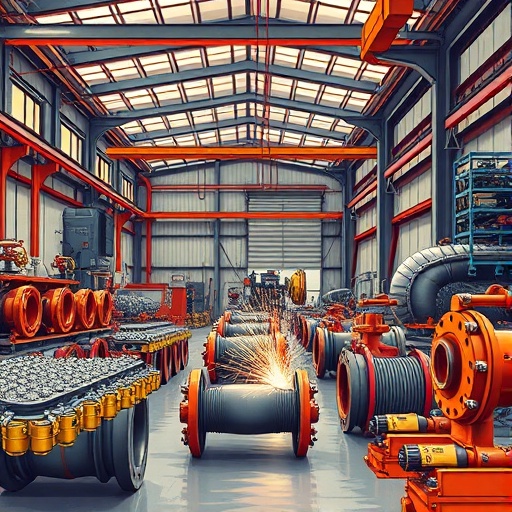
Design kicks off the pipe spool fabrication process, where engineers translate project blueprints into detailed spool layouts. Using CAD software, teams model pipes, fittings, and valves in 3D, optimizing for space constraints and flow efficiency in the construction site. This digital approach identifies clashes early, preventing costly revisions during assembly. Designers specify dimensions, materials, and connection points, ensuring spools align with the overall piping engineering. Efficiency shines through modular designs that standardize components, reducing custom work and speeding up spool production. Collaboration between fabrication shops and on-site teams refines designs, incorporating feedback on transport limitations or installation sequences. In pipe fabrication solutions, isometric drawings guide the process, detailing weld locations and flange orientations for precise manufacturing. Effective design minimizes material waste and enhances safety by simplifying handling with jib cranes. As construction projects demand tighter schedules, advanced design tools like BIM integration revolutionize pipe spool fabrication, fostering seamless transitions from concept to physical spools ready for deployment.
Cutting and Shaping: Techniques and Technologies
Cutting and shaping transform raw metal into precise pipe components during pipe spool fabrication. Plasma cutters slice through steel tubes with high-speed accuracy, producing clean edges that require minimal cleanup before welding. Laser cutting offers finer precision for intricate fittings, ideal for complex spool assemblies in engineering projects. Beveling machines angle pipe ends at 37.5 degrees, preparing them for strong V-groove welds that ensure leak-free joints. Modern technologies like CNC machines automate these tasks, programming cuts based on digital designs to maintain tolerances within millimeters. Fabricators use hydraulic benders to curve pipes without kinking, preserving internal flow paths for efficient piping systems. In spool production, orbital cutting tools handle in-place adjustments, while abrasive saws tackle thicker carbon steel sections. These techniques reduce human error and boost throughput in fabrication shops. Pipe fabrication solutions increasingly incorporate waterjet cutting for heat-sensitive materials, avoiding distortions that could affect pressure ratings. Overall, advanced cutting and shaping methods elevate the quality of pipe spools, supporting reliable performance in demanding construction environments.
Welding and Assembly of Pipe Components
Welding binds pipe components into cohesive spools, with skilled welders employing techniques like GTAW for root passes and SMAW for fill layers to achieve full penetration. In pipe spool fabrication, assembly begins with tack welding to hold fittings and flanges in position, followed by full circumferential welds that seal the joints against pressure and corrosion. Orbital welding machines automate girth welds on straight pipes, delivering consistent quality for high-volume spool production. Fabricators position components using jib cranes for safe handling of heavy steel sections, ensuring alignment before final welding. Post-weld heat treatment relieves stresses in thick-walled pipes, enhancing ductility and longevity. Assembly sequences prioritize critical paths, such as installing valves before enclosing flanges, to facilitate quality checks. In construction projects, certified welders follow ASME codes, documenting procedures for traceability in piping engineering. Pipe assembly demands precision to avoid distortions that could misalign spools on-site. As fabrication processes evolve, hybrid welding methods combine manual expertise with automation, producing durable pipe spools that streamline installation and reduce on-site welding needs.
Automation and Technology in Pipe Spool Fabrication
Role of Robotics in Modern Fabrication
Robotics revolutionizes pipe spool fabrication by handling repetitive tasks with unmatched precision and speed. Robotic arms equipped with welding torches execute complex seams on pipes and fittings, reducing human exposure to fumes and sparks in fabrication shops. In spool production, these machines flip heavy steel components effortlessly, integrating with jib cranes for seamless material flow. Programmed via offline software, robots follow 3D models to assemble pipe spools, minimizing defects and ensuring uniformity across batches. For construction projects, robotic prefabrication cuts lead times, allowing faster deployment of piping systems. Engineers oversee operations, fine-tuning paths for optimal weld quality on carbon steel and alloys. Robotics also excels in pipe cutting, using automated saws to shape tubes and fittings with laser-guided accuracy. This technology enhances safety, as fewer workers enter hazardous zones during manufacturing. Pipe fabrication solutions adopting robotics report up to 50% productivity gains, transforming traditional spool fabrication into a high-tech process that meets rigorous engineering demands.
Automated Welding Techniques
Automated welding techniques propel efficiency in pipe spool fabrication, with systems like flux-cored arc welding delivering rapid, high-deposition rates for thick steel joints. Pipe welding robots circle spools, applying consistent heat to prevent cracks in high-pressure applications. In fabrication processes, laser-hybrid welding combines precision melting with filler material, ideal for flange-to-pipe connections in complex assemblies. Automated setups include seam trackers that adjust for minor distortions, ensuring flawless welds on valves and fittings. Fabricators integrate these techniques with quality sensors, monitoring arc stability in real-time to uphold standards. For construction engineering, automated welding reduces porosity risks, enhancing corrosion resistance in piping networks. Pipe spool production benefits from multi-axis manipulators that weld in any orientation, tackling overhead or vertical seams without fatigue. Training focuses on programming rather than manual skills, broadening access to advanced methods. As technology advances, AI-driven automation predicts weld imperfections, further elevating the reliability of spool fabrication services in industrial settings.
Logistics and Transport Solutions for Spools
Logistics and transport solutions ensure pipe spools reach construction sites intact and on schedule. Specialized packaging cradles protect flanges and valves during shipping, using foam inserts and wooden skids to prevent damage to welds and pipes. In spool fabrication, fabricators label components with RFID tags for tracking through the supply chain, streamlining inventory in piping projects. Heavy-duty trucks with low-bed trailers haul oversized spools, while jib cranes load them securely at both ends. For international transport, containers accommodate modular spools, with engineering teams designing break-down options for easier handling. Logistics planning accounts for road restrictions and site access, coordinating just-in-time delivery to align with construction phases. Pipe fabrication solutions often partner with specialized carriers experienced in oversize loads, minimizing delays from customs or weather. Efficient transport reduces on-site storage needs, cutting costs and exposure to elements that could accelerate corrosion. As global projects expand, digital platforms optimize routes, ensuring spool production translates into timely, hassle-free integration into engineering infrastructures.
Quality Control and Assurance in Fabrication
Importance of Quality Assurance in Construction Projects
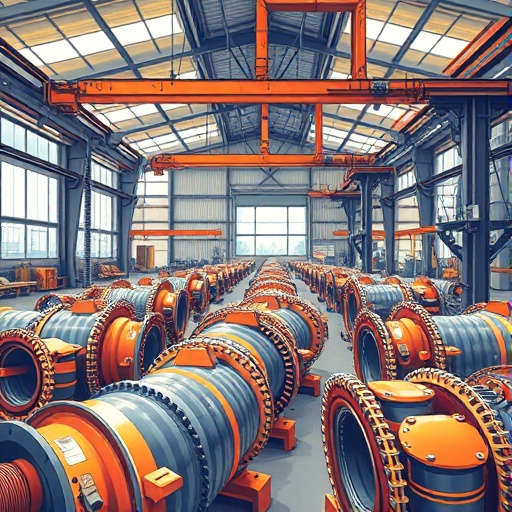
Quality assurance anchors successful construction projects by verifying that pipe spools meet stringent standards from design through installation. In pipe spool fabrication, QA programs enforce protocols at every stage, from material inspection to final testing, preventing failures that could halt operations. Certified inspectors use checklists to confirm weld integrity and dimensional accuracy, ensuring spools fit seamlessly into piping systems. For engineering teams, robust QA reduces liability risks and complies with regulations like API or ISO, fostering trust among stakeholders. Fabrication shops implement traceability systems, logging each component's journey to enable quick audits. In construction, high-quality spools minimize leaks or pressure losses, safeguarding worker safety and environmental compliance. Pipe fabrication solutions prioritize QA training for welders and machinists, cultivating a culture of excellence. Regular audits identify process gaps, driving continuous improvement in spool production. Ultimately, effective quality assurance delivers reliable pipe assemblies that enhance project longevity and operational efficiency across industries.
Testing for Corrosion and Pressure Resistance
Testing for corrosion and pressure resistance validates the durability of pipe spools in harsh environments. Hydrostatic testing pressurizes assemblies with water to 1.5 times operating levels, detecting leaks at welds, flanges, and valves through visual and ultrasonic inspections. For corrosion assessment, salt spray chambers expose carbon steel samples to simulate exposure, measuring degradation rates to select protective coatings. In pipe spool fabrication, non-destructive testing like radiographic exams reveal internal flaws without damaging components. Fabricators apply cathodic protection or epoxy linings to steel pipes, then verify adhesion via holiday detection. Pressure cycling tests mimic real-world fluctuations, ensuring spools withstand thermal expansions in piping networks. Engineering standards dictate test durations, often extending to 24 hours for critical applications. Quality control teams document results, certifying spools for construction deployment. These rigorous evaluations prevent catastrophic failures, extending service life and reducing maintenance costs in demanding sectors like oil refining.
Ensuring Flange and Valve Integrity
Ensuring flange and valve integrity involves meticulous checks to guarantee secure, leak-free connections in pipe spools. Visual inspections scan flanges for surface defects, while ultrasonic thickness gauging confirms uniform metal distribution resistant to pressure. Valve functionality tests include stroke timing and seat leakage assessments, verifying smooth operation under simulated flows. In spool fabrication, torque wrenches apply precise bolting sequences to flanges, preventing gasket crush or misalignment. Dye penetrant testing highlights cracks on valve bodies, crucial for high-pressure engineering applications. Fabricators calibrate instruments regularly, maintaining accuracy in quality assurance protocols. For construction projects, integrity verification extends to functional mock-ups, simulating on-site conditions to catch issues early. Pipe fittings and valves undergo helium leak detection for ultra-sensitive seals, essential in gas handling systems. These comprehensive measures uphold spool reliability, minimizing downtime and ensuring compliance with piping codes across manufacturing environments.
Cost Efficiency and Future Trends in Pipe Spool Fabrication
Cost Factors in Pipe Fabrication
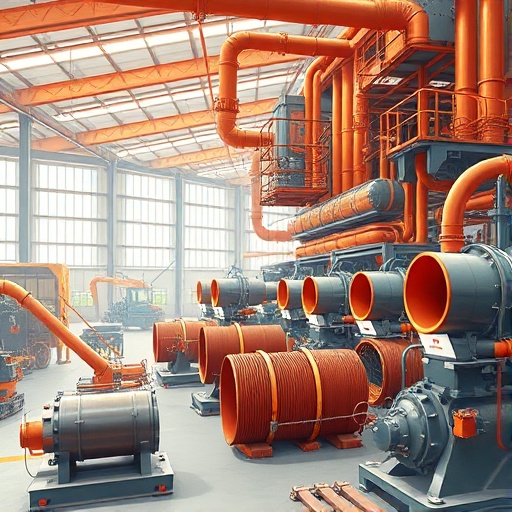
Cost factors in pipe fabrication influence project budgets, with material prices for carbon steel and alloys fluctuating based on market demands and sourcing. Labor expenses dominate, as skilled welders and machinists command premiums for precision work in spool assembly. Overhead includes shop utilities, jib cranes, and automation equipment, amortized across production runs to optimize efficiency. Waste from cutting pipes and fittings adds to expenses, though lean practices like nesting designs minimize scraps. In pipe spool fabrication, transportation logistics impact costs, with longer hauls increasing fuel and packaging needs. Quality control testing, while essential, incurs fees for certifications and non-destructive methods. Engineering design iterations can escalate if not streamlined early. Fabricators counter these by scaling spool production for economies, negotiating bulk material deals, and adopting energy-efficient technologies. For construction clients, transparent cost breakdowns in pipe fabrication solutions enable informed decisions, balancing upfront investments with long-term savings from durable, efficient spools.
Innovations in Fabrication Technology
Innovations in fabrication technology drive pipe spool production toward greater precision and sustainability. 3D printing prototypes pipe fittings and valves, allowing rapid iterations in design phases for engineering projects. Additive manufacturing even produces complex metal components, reducing assembly steps in spool fabrication. AI algorithms optimize welding parameters, predicting outcomes to cut trial runs and material use. In pipe fabrication solutions, IoT sensors monitor machines in real-time, alerting to maintenance needs and preventing downtime. Green innovations include recyclable coatings for corrosion protection, lowering environmental impact while maintaining steel durability. Robotic spooling systems automate entire assembly lines, integrating cutting, welding, and packaging for seamless workflows. Virtual reality training equips welders with simulated practice, enhancing skills without risking actual components. These advancements slash costs and timelines, making high-quality pipe spools accessible for diverse construction needs. As technology integrates further, fabrication evolves into a smart, adaptive process that anticipates industry shifts.
The Future of Spool Fabrication Services in Construction
The future of spool fabrication services in construction promises deeper integration of digital twins, where virtual models mirror physical spools for predictive maintenance and design tweaks. Modular prefabrication will expand, with standardized pipe spools enabling plug-and-play installations in mega-projects like renewable energy plants. Sustainability drives trends toward recycled metals and low-emission welding, aligning with global green building mandates. In pipe spool fabrication, blockchain will track material provenance, ensuring ethical sourcing and quality from mine to site. Augmented reality guides on-site assembly, overlaying digital instructions on physical spools to speed up piping integration. Advanced robotics, including collaborative bots, will work alongside humans for hybrid efficiency in fabrication shops. Cost pressures spur AI-optimized logistics, forecasting transport needs to avoid delays. Engineering firms will demand customizable spool services, supported by cloud-based collaboration tools. Overall, these evolutions position spool fabrication as a cornerstone of resilient, efficient construction, adapting to urbanization and technological convergence.
See Also
- Navigating the Challenges of Fabricating High-Pressure Pipe Spools
- The Importance of Corrosion Resistance in Pipe Spool Solutions
- Understanding the Impact of Quality Control in Pipe Spool Production
- Jib Cranes and Their Role in Streamlining Pipe Spool Logistics
- Innovative Technologies Revolutionizing Pipe Spool Manufacturing