Innovative Weld Fitting Designs for Modern Tubing Solutions
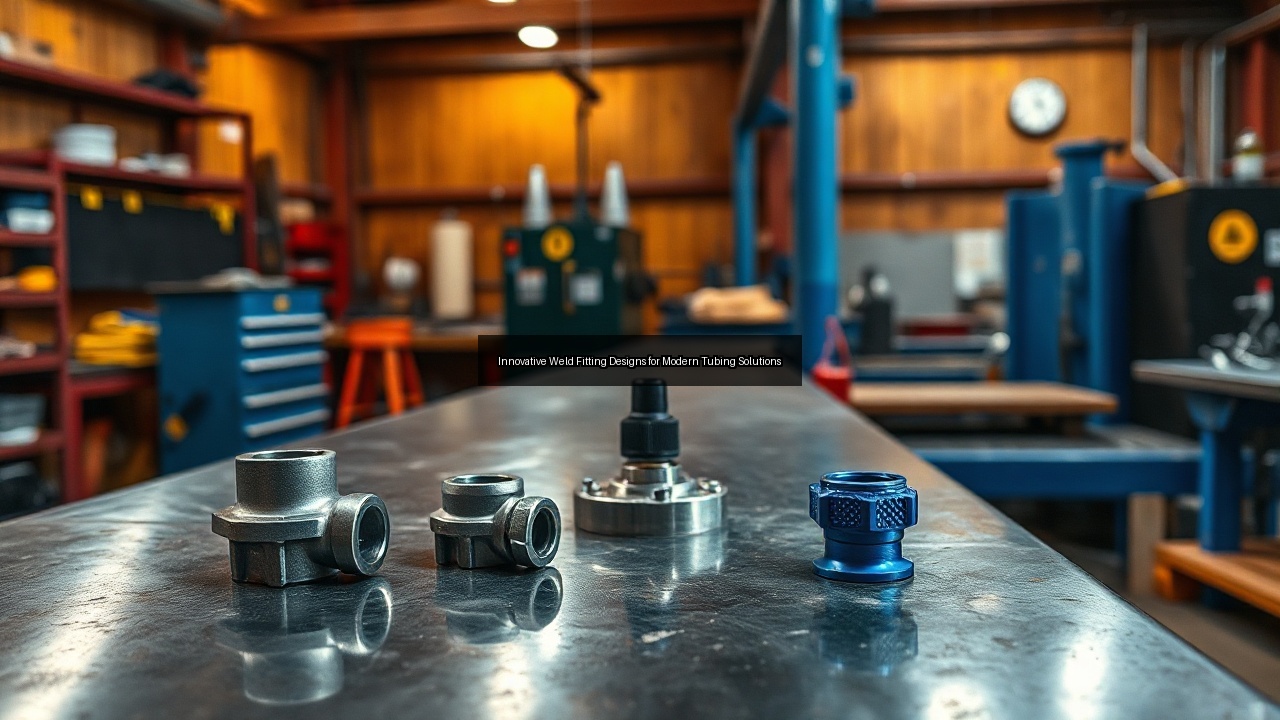
Understanding Weld Fittings in Modern Tubing Solutions
The Role of Welded Connections in Pressure Systems
Welded connections form the backbone of modern pressure systems, ensuring safe and reliable transport of fluids and gases through pipes. These connections maintain structural integrity, especially in high-pressure applications common in industries like oil and gas. The strength of welds directly influences the overall performance of tubing solutions. By using weld fittings, engineers can create joints that withstand extreme conditions, reducing the chances of leaks and failures. This reliability becomes critical when considering the potential consequences of pressure loss in systems. Thus, the design and execution of welded connections play a pivotal role in maintaining operational efficiency and safety.
Materials Used in Weld Fittings: A Focus on Carbon Steel
Carbon steel remains the predominant material for weld fittings due to its excellent balance of strength, ductility, and cost-effectiveness. These factors make carbon steel weld fittings ideal for various applications, particularly in the oil and gas sector. The material's ability to withstand high pressures and temperatures without compromising integrity makes it a favored choice among engineers. Additionally, carbon steel fittings can be easily welded to steel pipes, ensuring a seamless connection. While other materials like stainless steel offer corrosion resistance, carbon steel remains the standard for many pressure applications, proving itself as a reliable and durable option.
Temperature Considerations for Weld Fittings
Temperature significantly impacts the performance and longevity of weld fittings. In high-temperature environments, materials can experience thermal expansion, which might lead to joint failure if not properly managed. Understanding the temperature range in which a system operates allows engineers to select the appropriate weld fitting material and design. For instance, fittings exposed to extreme heat may require special alloys or coatings to resist degradation. Conversely, low-temperature applications demand fittings that maintain toughness to prevent brittle fracture. This careful consideration of temperature ensures that welded connections remain secure and functional throughout their operational lifespan.
Innovative Designs for Enhanced Performance
Advancements in Butt Weld Fittings
Butt weld fittings have evolved significantly, incorporating advancements that enhance performance and reliability. These fittings join two pieces of pipe end-to-end, providing a smooth, continuous flow path that minimizes turbulence and pressure drop. Recent innovations involve improved geometries and precision manufacturing techniques that enhance the quality of welds. By optimizing dimensions and tolerances, manufacturers ensure tighter fits and stronger joints, reducing the risk of leakage. Additionally, modern butt weld fittings often feature enhanced surface finishes that improve corrosion resistance, extending their lifespan in challenging environments. These advancements position butt weld fittings as a key component in high-performance tubing solutions.
Exploring the Efficiency of Socket Weld Fittings
Socket weld fittings offer a unique advantage in various applications, particularly in smaller diameter piping systems. These fittings allow pipes to be inserted into a recessed area, creating a strong joint with minimal weld exposure. This design significantly reduces the likelihood of defects and enhances the overall strength of the connection. Socket weld fittings are particularly popular in high-pressure systems where reliability is critical. Their compact design simplifies installation and can be beneficial in tight spaces. The combination of ease of use and robust performance makes socket weld fittings a preferred choice in many industrial settings.
Designing for Diameter: Custom Weld Fitting Solutions
Custom weld fitting solutions cater to specific project requirements, particularly when standard dimensions do not meet the needs of a unique application. Engineers can design fittings that accommodate varying diameters, ensuring optimal flow characteristics and pressure retention. Custom fittings often address challenges like space constraints or specific connection types, such as transitioning from a larger diameter pipe to a smaller one. Utilizing custom weld fittings not only enhances system performance but also contributes to efficient material usage. This tailored approach allows businesses to optimize their systems while ensuring compliance with industry standards.
Applications of Weld Fittings in Key Industries
Oil and Gas: The Need for Reliable Pipe Fittings
The oil and gas industry relies heavily on robust weld fittings to maintain the integrity of their piping systems. These fittings must withstand extreme pressures and corrosive environments, making their design and material selection critical. Weld fittings play a vital role in safely transporting crude oil and natural gas from extraction sites to processing facilities. The inherent risks associated with leaks or failures in this industry demand that every connection be meticulously crafted. By employing advanced weld fitting designs, companies can ensure reliable operations and safeguard both their investments and the environment.
Utilizing Pipe Tees, Reducers, and Caps in Systems
Pipe tees, reducers, and caps serve essential functions in piping systems, enhancing the versatility of weld fittings. Pipe tees allow for the branching of flow, enabling fluid distribution to multiple lines. Reducers facilitate transitions between different pipe diameters, ensuring pressure consistency throughout the system. Caps are critical for terminating pipe ends, providing a secure closure that prevents leakage. Each of these fittings must be designed to withstand the same pressures and temperatures as the pipes they connect, underscoring the importance of high-quality weld fittings in any tubing solution.
Flanges and Their Importance in Welded Connections
Flanges represent a crucial component of welded connections, offering a means to connect pipes, valves, and other equipment securely. Their design allows for easy disassembly and maintenance, essential for systems that require regular inspection. Flanges must be precisely manufactured to match the corresponding weld fittings, ensuring a tight seal that can handle the pressures of the system. The choice of flange type—such as slip-on or weld neck—depends on specific application requirements. Understanding the role of flanges in welded connections highlights their importance in maintaining system integrity and operational efficiency.
Cost Considerations and Future Trends
Evaluating the Cost vs. Performance of Weld Fittings
Cost considerations play a significant role in the selection of weld fittings. While high-quality fittings may come with a higher initial investment, their durability and reliability often lead to long-term savings. Evaluating the cost versus performance requires a thorough analysis of the application’s demands, including pressure, temperature, and exposure to corrosive materials. Investing in superior weld fittings can prevent costly downtimes and repairs, making them a wise choice for industries where reliability is paramount. Companies must weigh immediate expenses against potential operational costs to make informed decisions regarding their piping solutions.
Emerging Trends in Welding Technologies and Designs
Welding technologies continue to evolve, introducing innovative design methodologies and materials that enhance the performance of weld fittings. Advanced techniques such as automated welding and 3D printing are revolutionizing how fittings are manufactured, allowing for intricate designs and greater precision. These emerging trends not only improve the quality of welds but also reduce production times and costs. As industries demand more efficient and reliable solutions, manufacturers are poised to adapt, incorporating new technologies that meet these challenges head-on. Staying abreast of these trends ensures that businesses remain competitive and capable of meeting evolving market demands.
Sustainability in Welded Fitting Manufacturing
Sustainability has become a critical focus in the manufacturing of weld fittings. As industries strive to reduce their environmental footprint, companies are increasingly adopting eco-friendly practices. This includes utilizing recycled materials, optimizing production processes to minimize waste, and implementing energy-efficient technologies. Manufacturers are exploring sustainable alternatives to traditional materials, which can significantly reduce the environmental impact of welded fittings. By prioritizing sustainability, businesses not only contribute to environmental preservation but also appeal to a growing market segment that values eco-conscious practices. This forward-thinking approach positions companies favorably in a competitive landscape.