Innovative Technologies in Ammonia Level Measurement and Monitoring

Understanding Ammonia Measurement Technologies
Overview of Ammonia as a Chemical Substance
Ammonia stands out as a versatile chemical compound, denoted as NH3, that plays a pivotal role across multiple sectors. This colorless gas, with its pungent odor, exists in both liquid and gas forms, making it essential for industrial processes. Liquid ammonia, often stored under pressure in specialized tanks, serves as a refrigerant and fertilizer precursor. Anhydrous ammonia, free of water, demands precise handling due to its corrosive nature and toxicity. In storage tanks, maintaining the right ammonia level prevents overflows or shortages that could disrupt operations. Instrumentation for ammonia measurement tracks these levels to ensure safety and efficiency. Historically, ammonia's use dates back to ancient times for cleaning, but modern applications leverage its cooling properties in refrigeration systems. Engineers rely on level sensors to monitor the transition between liquid ammonia and its gaseous state, especially in high-pressure environments. This overview highlights why accurate detection of ammonia levels remains crucial for preventing hazards in tanks and pipelines.
Importance of Accurate Ammonia Level Measurement
Precise ammonia level measurement safeguards industrial operations by preventing leaks, explosions, and environmental contamination. In refrigeration plants, fluctuating ammonia levels can lead to system failures, compromising food preservation chains. An ammonia tank level gauge provides real-time data, allowing operators to adjust feeds and avoid overpressurization. Without reliable level measurement, storage tanks risk structural damage from liquid ammonia expansion under heat. Safety regulations mandate such monitoring to protect workers from NH3 exposure, which irritates eyes and lungs. Accurate sensors detect even minor changes in ammonia concentration, enabling proactive maintenance. In fertilizer production, consistent ammonia levels ensure product quality and yield optimization. This technology integrates with broader instrumentation to log data for compliance audits. Ultimately, investing in robust ammonia measurement tools reduces downtime, cuts costs, and enhances overall process reliability across diverse applications.
Common Applications of Ammonia in Industries
Industries worldwide harness ammonia for its cooling and chemical properties, from refrigeration in food processing to synthesis in agriculture. In cold storage facilities, liquid ammonia chills warehouses, preserving perishables like meat and dairy. Fertilizer manufacturers convert NH3 into nitrogen-rich compounds that boost crop growth, feeding global populations. Chemical plants use anhydrous ammonia to produce plastics, explosives, and pharmaceuticals, relying on precise tank level gauges to manage inventory. Power generation sectors employ ammonia in selective catalytic reduction to curb emissions from diesel engines. Wastewater treatment facilities inject ammonia to neutralize contaminants, with sensors ensuring optimal dosing. Maritime refrigeration on ships maintains cargo integrity during voyages. Even in emerging green tech, ammonia serves as a hydrogen carrier for clean energy storage. These applications underscore the need for advanced level measurement in handling this volatile substance safely and efficiently.
Types of Ammonia Level Sensors
Differential Pressure Sensors for Liquid Ammonia
Differential pressure sensors excel in monitoring liquid ammonia levels within storage tanks by measuring the pressure difference between the tank bottom and top. These devices connect to the tank via taps, calculating level based on hydrostatic head. In ammonia systems, they withstand corrosive effects of NH3, using materials like stainless steel for durability. Operators value their simplicity and cost-effectiveness for large-scale refrigeration setups. A typical differential pressure gauge integrates with transmitters to output signals for remote monitoring. Calibration accounts for ammonia's density variations with temperature, ensuring accuracy in dynamic environments. Maintenance involves periodic checks to prevent clogs from impurities in liquid ammonia. Industries prefer these sensors for their robustness in high-pressure tanks, where precise level data prevents overflows. Integration with digital displays enhances usability, making differential pressure technology a staple in ammonia tank level gauging.
Bourdon Tube Pressure Gauges
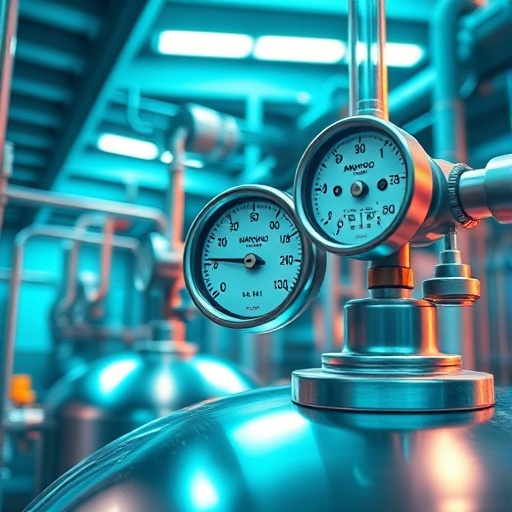
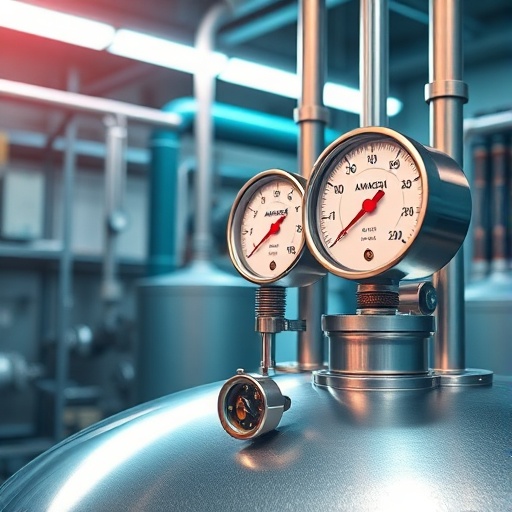
Bourdon tube pressure gauges offer a mechanical solution for tracking ammonia pressure and inferring levels in tanks. The curved tube straightens under pressure, moving a pointer across a dial for direct readings. In ammonia applications, these gauges monitor gas and liquid phases, providing visual feedback without power needs. Crafted from corrosion-resistant alloys, they endure exposure to anhydrous ammonia's harsh conditions. Technicians install them on tank exteriors for easy access during routine inspections. While traditional, modern variants include fillable designs to dampen vibrations, improving readability in turbulent refrigeration systems. Bourdon tubes shine in remote sites lacking electricity, such as agricultural storage. Pairing them with level sensors refines overall instrumentation accuracy. Despite digital alternatives, these reliable pressure gauges remain essential for backup monitoring in critical ammonia handling.
Advanced Gas Sensors for Ammonia Detection
Advanced gas sensors detect ammonia concentrations in air and vapor spaces above liquid levels, enhancing safety in storage tanks. Electrochemical types react with NH3 to generate electrical signals proportional to gas levels, offering high sensitivity down to parts per million. Infrared sensors absorb ammonia's specific wavelengths for non-contact detection, ideal for explosive environments. These devices integrate into ventilation systems, alerting to leaks before they escalate. In refrigeration plants, they complement liquid level gauges by monitoring gaseous ammonia escape. Calibration with standard NH3 samples ensures long-term precision amid humidity fluctuations. Wireless models transmit data to central controls, streamlining maintenance. Industries adopt these sensors to comply with OSHA standards, reducing exposure risks. As technology advances, miniaturized gas sensors enable portable units for spot checks in tanks and pipelines.
Innovations in Ammonia Level Gauging
Emerging Technologies in Level Measurement
Emerging technologies revolutionize ammonia level measurement, introducing non-invasive methods like ultrasonic and radar sensors for precise tank gauging. Ultrasonic devices emit sound waves through tank walls, reflecting off the liquid ammonia surface to calculate depth without direct contact. Radar systems use microwaves to penetrate vapors, unaffected by foam or turbulence in NH3 storage. These innovations boost accuracy in corrosive environments, extending sensor lifespan. Capacitive probes detect changes in dielectric constants between gas and liquid phases, suitable for anhydrous ammonia. Fiber-optic level sensors offer immunity to electromagnetic interference, vital in electrified plants. Adoption of these tools in refrigeration cuts calibration frequency, saving time. Engineers integrate them with software for predictive analytics on tank levels. Such advancements in level measurement technology address traditional limitations, ensuring reliable ammonia tank level gauge performance.
Integration of Temperature and Vibration Sensors
Integrating temperature and vibration sensors with ammonia level gauges creates comprehensive monitoring systems for storage tanks. Temperature probes track thermal expansions in liquid ammonia, compensating measurements for density shifts that affect pressure readings. Vibration sensors detect agitators or structural stresses in tanks, signaling potential leaks from NH3 corrosion. Combined, they form multi-parameter instrumentation that predicts maintenance needs. In refrigeration, temperature data refines cooling cycles, while vibration alerts prevent pump failures. Wireless integration allows real-time dashboards, accessible via mobile apps. These sensors use rugged housings to resist ammonia's aggressive properties. Calibration synchronizes all inputs for holistic accuracy. Industries benefit from reduced false alarms and enhanced safety, as early detection averts disasters in high-stakes environments. This fusion elevates ammonia level monitoring beyond basic gauging.
Smart Transmitters and IoT in Ammonia Monitoring
Smart transmitters and IoT transform ammonia monitoring by enabling wireless data transmission from level sensors to cloud platforms. These devices convert analog signals from pressure gauges into digital formats, supporting remote diagnostics for tank levels. IoT connectivity links multiple storage tanks, aggregating NH3 data for centralized control. Predictive algorithms analyze trends in ammonia levels, forecasting replenishment needs. In fertilizer plants, smart systems automate valve adjustments based on real-time measurements. Security features encrypt transmissions to protect against cyber threats in industrial networks. Energy-efficient designs extend battery life in remote ammonia installations. Maintenance apps notify technicians of sensor drifts, ensuring sustained accuracy. This technology integrates seamlessly with existing instrumentation, amplifying efficiency in gas and liquid ammonia handling across sectors.
Challenges in Ammonia Level Monitoring
Corrosion Resistance in Ammonia Storage Tanks
Corrosion poses a major challenge in ammonia storage tanks, as NH3 aggressively attacks metals, leading to leaks and inaccurate level readings. Anhydrous ammonia accelerates rust in carbon steel, necessitating liners or alloys like Hastelloy for protection. Level sensors must feature coatings that repel liquid ammonia without degrading over time. Regular inspections reveal pitting from impurities in the gas phase. Engineers design tanks with cathodic protection systems to mitigate electrochemical reactions. In refrigeration, moisture traces exacerbate corrosion, demanding dry NH3 handling protocols. Selecting corrosion-resistant pressure gauges extends instrumentation life, reducing replacement costs. Innovations like polymer composites offer lightweight alternatives to traditional materials. Addressing these issues ensures reliable ammonia tank level gauge functionality, preventing environmental spills and operational halts.
Accuracy and Reliability of Measurement
Achieving accuracy and reliability in ammonia measurement demands overcoming variables like temperature swings and pressure fluctuations in tanks. Sensors often drift due to NH3's solvating effects on electronics, requiring frequent recalibration. Differential pressure devices falter in viscous liquid ammonia under low flows. Reliability hinges on redundant systems, such as dual bourdon tube gauges for cross-verification. Environmental factors, including vibrations from nearby machinery, skew readings, necessitating damping mechanisms. Data logging validates long-term performance, identifying patterns in level inaccuracies. Industries invest in certified instrumentation to meet ISO standards for ammonia level monitoring. Training operators on troubleshooting enhances overall system dependability. These efforts minimize errors, ensuring precise control over storage tank contents and process safety.
Environmental and Safety Considerations
Environmental and safety considerations dominate ammonia level monitoring, given NH3's toxicity and potential for widespread contamination. Leaks from faulty tank gauges can release gas clouds, endangering communities near industrial sites. Regulations like EPA guidelines enforce vapor recovery and leak detection sensors. Safety protocols include personal protective equipment and emergency shutdowns tied to level alarms. In refrigeration, overfilled tanks risk ruptures, prompting spill containment designs. Eco-friendly practices favor low-emission monitoring tech to curb atmospheric NH3 contributions to smog. Training programs educate on handling anhydrous ammonia safely. Integration of gas sensors with level measurement provides layered protection. Balancing these factors sustains operations while minimizing ecological footprints and health risks associated with ammonia storage.
Future Trends in Ammonia Level Measurement
Sustainability and Eco-friendly Measurement Solutions
Sustainability drives eco-friendly measurement solutions for ammonia levels, focusing on energy-efficient sensors that reduce carbon footprints in monitoring. Solar-powered IoT devices eliminate wiring needs in remote tanks, cutting installation impacts. Biodegradable coatings on level sensors minimize waste from corrosion replacements. Green tech emphasizes recyclable materials for pressure gauges, aligning with circular economy principles. In NH3 production, low-power transmitters optimize energy use in refrigeration cycles. Waterless calibration methods preserve resources during maintenance. These trends support global shifts toward sustainable ammonia use as a clean fuel. Industries adopt them to achieve net-zero goals, enhancing level measurement without environmental harm. Future-proofing instrumentation ensures long-term viability in eco-conscious operations.
Impact of Automation and AI on Ammonia Gauging
Automation and AI profoundly impact ammonia gauging by automating data analysis from level sensors for smarter decision-making. AI algorithms process inputs from temperature and pressure gauges, predicting level anomalies before they occur. Robotic inspections in tanks reduce human exposure to NH3 hazards. Automated systems adjust flows in real-time based on ammonia tank level gauge readings, optimizing refrigeration efficiency. Machine learning refines accuracy by learning from historical data, compensating for corrosion effects. In storage facilities, AI-driven alerts integrate with drones for visual verifications. This technology scales to large networks of tanks, streamlining global supply chains. Adoption accelerates as costs drop, revolutionizing reliability in ammonia measurement.
The Role of Big Data in Monitoring Ammonia Levels
Big data plays a transformative role in monitoring ammonia levels, aggregating vast datasets from sensors across multiple tanks for insightful analytics. Cloud platforms store pressure and level readings, enabling pattern recognition in NH3 behavior. Predictive models forecast demand spikes in refrigeration, preventing shortages. Integration with weather data accounts for external influences on tank temperatures. Big data dashboards visualize trends, aiding compliance reporting for anhydrous ammonia handling. Collaborative platforms share anonymized insights among industries, fostering innovation in gas sensors. Security measures protect sensitive instrumentation data from breaches. This approach enhances accuracy, reduces waste, and supports scalable ammonia level monitoring in dynamic environments.