How Dual Shot Injection Molding is Revolutionizing the Production of Complex Plastics

Understanding Dual Shot Injection Molding
The Basics of Dual Shot Injection Molding
Dual shot injection molding combines two distinct materials into a single part through sequential injections within one mold cycle. Manufacturers inject the first material to form the base structure, then rotate or transfer the mold to introduce the second shot that bonds directly to the initial layer. This process eliminates separate assembly steps and creates integrated components with varied properties in targeted zones. Operators control temperatures, pressures, and timing precisely to achieve strong adhesion between layers without delamination risks.
Engineers select compatible thermoplastics that fuse reliably under heat and pressure. The technique supports intricate geometries that single-material methods cannot produce efficiently. Production runs benefit from reduced handling and faster cycle times compared with traditional multi-step fabrication. Quality checks focus on bond strength and dimensional accuracy to maintain consistency across batches. This approach streamlines workflows for parts requiring both rigid cores and flexible surfaces in one piece.
How Dual Shot Differs from Traditional Injection Molding
Traditional injection molding fills a single cavity with one material per cycle, limiting parts to uniform properties throughout. Dual shot injection molding advances beyond this by enabling two separate injections in sequence, often with mold rotation or indexing systems. The first shot creates the substrate while the second overlays or encapsulates specific areas, producing multi-functional components without post-molding bonding. This difference reduces labor and tooling expenses for complex assemblies.
Engineers achieve color variations, texture contrasts, and material property gradients that single-shot methods cannot replicate. Dual injection supports designs where one section demands high rigidity and another requires elasticity, all formed simultaneously. Cycle times remain competitive because the process avoids secondary operations like gluing or mechanical fastening. Traditional setups require multiple molds and machines for equivalent results, increasing floor space and energy demands. Dual shot techniques consolidate these steps into one streamlined operation.
Key Components of the Dual Shot Process
Modern dual shot systems rely on dual injection barrels mounted on a shared machine base. One barrel processes the primary material while the second handles the overmold compound. Rotating platens or core mechanisms transfer the partially formed part between stations without manual intervention. Precise valve gates control material flow to prevent premature mixing or flash formation at interfaces.
Control software synchronizes injection speeds, hold pressures, and cooling durations for each shot. Mold bases incorporate specialized runners and vents tailored to two-material flow dynamics. Thermocouples monitor temperatures at critical points to maintain optimal viscosity during both phases. These components work together to deliver repeatable results across high-volume production. Maintenance routines emphasize seal integrity and alignment to sustain performance over extended runs.
Applications and Advantages of Dual Shot Injection Molding
Complex Plastics: Meeting Modern Demands
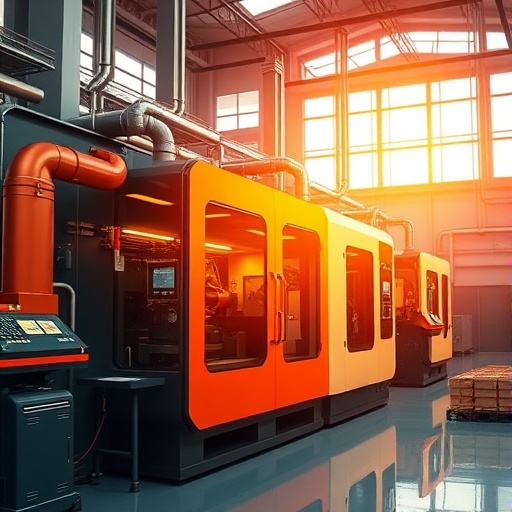
Industries now require plastics that combine multiple performance characteristics in single components. Dual shot injection molding meets these demands by creating parts with integrated seals, grips, and structural elements. Automotive suppliers produce interior panels featuring rigid frames bonded to soft-touch surfaces in one cycle. Electronics manufacturers form housings with embedded gaskets that eliminate separate sealing steps.
Medical device companies rely on the process for ergonomic tools that blend hard and soft sections for user comfort and durability. The technique handles intricate undercuts and varying wall thicknesses that challenge conventional approaches. Production teams gain design freedom because material transitions occur during molding rather than through assembly. This capability supports lighter, stronger parts that perform reliably under stress while reducing overall component count.
Enhancing Aesthetics and Functionality through Overmolding
Overmolding within dual shot injection molding adds visual appeal and tactile qualities directly during formation. Manufacturers apply colored or textured second shots that create branded finishes without painting or coating operations. Functional benefits include improved grip surfaces on tools and vibration-dampening layers on machinery housings. The bonded interface distributes loads evenly, increasing part longevity compared with mechanically attached elements.
Designers specify exact zones for the overmold material to optimize ergonomics and appearance. This integration prevents water ingress at joints and reduces noise transmission in consumer products. Cycle consistency ensures uniform bond quality across thousands of units. Companies achieve premium product positioning through these enhancements while maintaining competitive manufacturing costs. The result delivers both visual differentiation and practical performance gains in finished goods.
The Role of Thermoplastics in Dual Shot Molding
Thermoplastics serve as the foundation for dual shot processes because they melt and solidify repeatedly under controlled conditions. Engineers pair rigid grades like polycarbonate with flexible elastomers to achieve desired mechanical profiles in one part. Material compatibility determines bond strength, so formulation adjustments often optimize adhesion at the interface. These polymers flow efficiently through narrow channels during the second shot, filling detailed features without defects.
Recyclability of many thermoplastics aligns with production goals by allowing regrind incorporation where specifications permit. Temperature management during dual cycles prevents degradation of either material while promoting molecular entanglement at contact surfaces. Suppliers continue developing specialized grades that expand application ranges for 2 shot molding process requirements. Consistent resin quality supports high yields and dimensional stability across production volumes.
Sustainability and Efficiency in Production
Reducing Material Waste with Dual Shot Techniques
Dual shot injection molding minimizes scrap by forming complete parts in a single cycle rather than producing separate pieces that require joining. Precise shot volumes reduce excess material at gates and runners. Manufacturers reclaim sprue and runner waste through regrinding systems integrated into the process. This efficiency lowers raw material consumption per finished unit compared with multi-stage fabrication methods.
Optimized cooling channels shorten cycle times and decrease energy use during repeated operations. Fewer defective parts result from improved process control, further cutting waste streams. Companies track material utilization metrics to identify opportunities for additional reductions. The consolidated workflow also decreases packaging and transportation needs associated with intermediate components. Overall, these factors contribute to leaner operations that conserve resources throughout the manufacturing sequence.
The Impact of 3D Printing on Injection Molding
3D printing accelerates prototyping for dual shot injection molding by producing test molds and sample parts quickly. Engineers validate designs and material pairings before committing to full production tooling. This rapid iteration reduces development lead times and costly revisions later in the process. Printed inserts allow evaluation of gate locations and flow patterns specific to two-material applications.
Hybrid workflows combine 3D printed elements with traditional aluminum production molds for low-volume runs. The technology supports complex internal geometries that enhance cooling efficiency in dual shot setups. Data from printed prototypes informs adjustments that improve yield rates once steel or aluminum tooling enters service. Integration of these methods shortens the path from concept to scalable manufacturing while maintaining quality standards.
Aluminum Molds: A Sustainable Choice for Dual Shot
Aluminum molds offer advantages in dual shot injection molding through faster heat transfer and reduced machining time. Their lighter weight simplifies handling during setup and maintenance compared with heavier steel alternatives. Manufacturers appreciate the recyclability of aluminum at end of tool life, supporting closed-loop material practices. Thermal properties enable shorter cooling phases, which lowers overall energy consumption per cycle.
Precision machining of aluminum delivers smooth surfaces that improve part release and finish quality. These molds perform reliably for medium production volumes where frequent design changes occur. Cost savings from quicker fabrication allow companies to test multiple configurations economically. Durability under repeated thermal cycling meets requirements for many dual shot applications while advancing sustainability targets through efficient resource use.
Industry Trends and Future Innovations
Leadership in Dual Shot Injection Molding
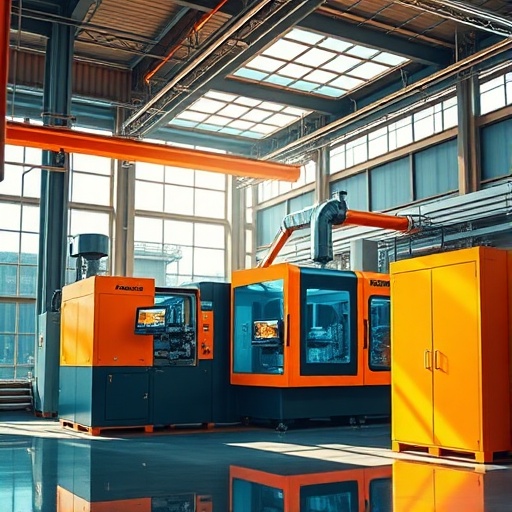
Forward-thinking companies establish leadership in dual shot injection molding by investing in advanced multi-material equipment and skilled engineering teams. These organizations develop proprietary process parameters that maximize adhesion and cycle efficiency across diverse material combinations. They share best practices through industry forums while protecting competitive advantages in tooling design. Leadership also involves training programs that build internal expertise in 2 shot injection molding techniques.
Market leaders collaborate with resin suppliers to qualify new thermoplastic pairings for demanding environments. Their production facilities demonstrate consistent quality metrics that set benchmarks for the sector. Strategic adoption of automation further strengthens their position by reducing variability in high-volume runs. This proactive stance positions them to capture growing demand for integrated plastic components across automotive, consumer, and industrial markets.
Emerging Technologies and Their Impact on Production
Emerging sensor arrays and real-time monitoring systems enhance control during dual shot injection molding cycles. Data analytics predict maintenance needs before defects arise, sustaining high uptime rates. Artificial intelligence optimizes parameter settings for new material combinations, shortening setup phases. Integration with extrusion lines allows continuous feeding of consistent resin blends into the molding process.
Advanced robotics handle part transfer between shots with greater speed and accuracy than earlier mechanical systems. These technologies expand the feasible geometries for 2 shot molding process applications. Manufacturers gain flexibility to produce smaller batch sizes economically while maintaining tight tolerances. Continued development promises further reductions in energy use and material waste as these tools mature.
The Conversation Around Sustainability in Plastics Manufacturing
The conversation around sustainability in plastics manufacturing increasingly centers on processes like dual shot injection molding that consolidate production steps. Industry participants discuss strategies for incorporating recycled content without compromising bond integrity between shots. They explore closed-loop systems that reclaim and reprocess materials directly at the molding facility. This dialogue drives adoption of aluminum tooling and energy-efficient machines as standard practices.
Stakeholders examine lifecycle impacts from raw material sourcing through end-use disposal. They evaluate how overmolding reduces assembly-related emissions compared with traditional joining methods. Collaborative initiatives focus on developing bio-based thermoplastics compatible with dual injection requirements. The ongoing exchange shapes investment decisions and regulatory compliance efforts across the sector, pushing continuous improvement in resource efficiency.
See Also
- A Deep Dive into the Dual Shot Injection Process and Its Applications in 3D Printing
- From Aluminum to Plastics The Versatility of Dual Shot Injection Molding Techniques
- Why Dual Shot Injection Molding is the Future of Efficient Production Processes
- The Science Behind Dual Shot Injection Molding and Its Impact on Thermoplastic Design