How Custom Machine Design Enhances Manufacturing Efficiency
The Importance of Custom Machine Design in Modern Manufacturing
Understanding Custom Machine Design
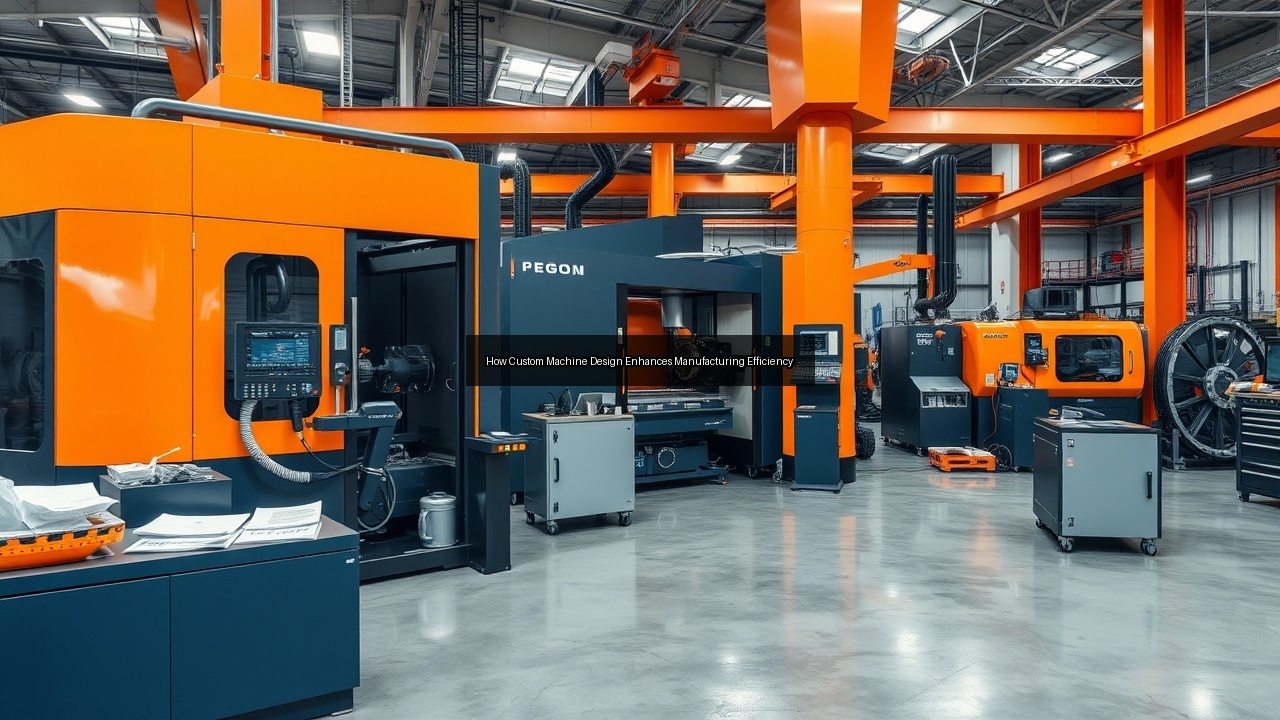
Custom machine design revolutionizes how factories operate by creating specialized equipment tailored to specific production needs. Unlike off-the-shelf machines, custom designs address unique challenges in manufacturing, such as irregular part shapes or high-volume outputs that standard tools can't handle efficiently. Engineers start with a deep analysis of the client's workflow, incorporating elements like automation and precision engineering to build machines that fit seamlessly into existing lines. This approach ensures that every component, from conveyors to laser marking systems, aligns perfectly with operational goals. In machine design engineering, professionals focus on integrating advanced features like pneumatic and hydraulic controls to boost reliability and speed. Companies seeking custom machine design services often discover that these bespoke solutions reduce downtime and enhance overall efficiency. By prioritizing customization, manufacturers avoid the pitfalls of generic equipment, which frequently requires modifications that waste time and resources. Custom machines embody innovation, turning complex production processes into streamlined operations that drive competitive advantage.
Delving deeper, custom machine design involves collaborative efforts between clients and design teams to prototype and refine machinery. Mechanical engineers play a pivotal role, using software simulations to test designs before fabrication begins. This methodical process minimizes errors and ensures the final product meets stringent quality standards. For instance, in industries like automotive or aerospace, custom designs incorporate specialized machine tools such as lathes and saws customized for exotic materials. The result? Machines that not only perform tasks faster but also adapt to evolving production demands, making custom machine design an essential strategy for forward-thinking manufacturers.
Benefits of Tailored Solutions for Manufacturing
Tailored solutions in custom machine design deliver unmatched advantages, starting with heightened productivity that directly impacts the bottom line. Manufacturers gain equipment precisely calibrated to their processes, eliminating inefficiencies from mismatched standard machines. Automation features, like automated conveyors and robotic arms, speed up assembly lines while reducing human error. Energy optimization becomes straightforward, as designs minimize waste in hydraulic or pneumatic systems, lowering operational costs over time. Reliability stands out too—custom machines undergo rigorous testing to withstand heavy use, ensuring consistent output without frequent breakdowns.
Beyond immediate gains, these solutions foster scalability, allowing factories to expand without overhauling entire setups. In machine building, tailored designs integrate seamlessly with existing infrastructure, supporting growth in diverse sectors from electronics to food processing. Clients benefit from enhanced safety protocols embedded in the design, such as automated safeguards on fixtures and tools. Ultimately, investing in custom machine design services yields long-term savings, as these machines outlast generic alternatives and require less maintenance. Manufacturers report up to 30% efficiency boosts, proving that personalized engineering transforms challenges into opportunities for excellence.
The ripple effects extend to quality control. Custom designs often include advanced features like laser marking for precise identification, ensuring traceability in regulated industries. This level of customization not only streamlines workflows but also empowers teams to innovate, positioning companies as leaders in their markets.
Role of Mechanical Engineers in Custom Design
Mechanical engineers drive the success of custom machine design by blending technical expertise with creative problem-solving. They assess manufacturing needs, translating abstract requirements into concrete blueprints that incorporate automation and precision components. From selecting the right machine tools—such as lathes for turning operations or saws for cutting—to designing robust fixtures, engineers ensure every element supports efficiency. Their role extends to optimization, where they balance factors like energy consumption in pneumatic and hydraulic systems against performance demands.
In the engineering phase, mechanical engineers collaborate with clients to iterate designs, using CAD software to simulate real-world scenarios. This foresight prevents costly revisions during machine building. They also prioritize reliability, integrating fail-safes and modular parts for easy upgrades. For custom machine services, engineers oversee prototyping, testing, and deployment, guaranteeing seamless integration into production lines. Their deep knowledge of materials and mechanics allows for innovative solutions, like automated conveyors that handle delicate parts without damage.
Engineers don't stop at creation; they provide ongoing support, refining designs based on performance data. This holistic involvement makes mechanical engineers indispensable, turning custom machine design into a powerhouse of manufacturing advancement. Their work not only enhances productivity but also sets benchmarks for safety and sustainability in industrial engineering.
Key Components of Custom Machine Design
Automation and Its Impact on Efficiency
Automation forms the backbone of custom machine design, propelling manufacturing into a new era of speed and precision. By automating repetitive tasks, these machines free workers for higher-value activities, slashing labor costs and boosting output. In custom designs, automation integrates seamlessly with tools like robotic arms and automated conveyors, creating fluid production flows. Engineers configure systems to handle complex sequences, such as loading parts onto lathes or routing them through laser marking stations, all without human intervention.
The efficiency gains are profound: automated processes reduce cycle times by up to 50%, minimize errors, and ensure consistent quality across batches. Custom machine design services leverage sensors and AI-driven controls to adapt in real-time, optimizing workflows on the fly. Pneumatic and hydraulic actuators provide the power needed for heavy-duty tasks, while energy-efficient designs keep costs in check. Manufacturers adopting automation report fewer defects and faster time-to-market, making it a cornerstone of modern machine building.
Moreover, automation enhances scalability, allowing systems to ramp up production during peaks. This component not only drives immediate productivity but also future-proofs operations against industry shifts, solidifying custom machine design as a strategic investment.
Exploring Tool and Die in Custom Machines
Tool and die components anchor custom machine design, providing the precision cutting and forming capabilities essential for high-quality manufacturing. In machine building, engineers craft custom tools and dies tailored to specific part geometries, far surpassing the limitations of standard machine tools. Dies, for instance, shape metals in presses with exact tolerances, while tools like specialized saws and lathes handle intricate cuts on unique materials. This customization ensures flawless finishes, reducing scrap rates and rework.
Integrating tool and die into automated systems amplifies efficiency—think dies synced with robotic loaders for uninterrupted cycles. Mechanical engineers select durable alloys and coatings to withstand wear, extending tool life in demanding environments. Laser marking tools add value by etching identifiers directly during production, streamlining traceability. Custom designs often incorporate modular tool setups, allowing quick swaps for varied runs, which boosts flexibility in manufacturing.
The impact on productivity is clear: optimized tool and die reduce setup times and enhance accuracy, leading to leaner operations. Companies investing in these bespoke elements see measurable gains in speed and cost savings, underscoring their role in elevating custom machine performance.
The Role of Fixtures in Machine Building
Fixtures secure and position workpieces during machining, making them vital in custom machine design for achieving repeatable accuracy. In machine building, engineers design fixtures to match exact part dimensions, preventing shifts that could compromise quality. Custom fixtures integrate with automation, such as automated clamps on conveyors, ensuring smooth transitions between stations like lathes and saws.
These components enhance efficiency by minimizing setup delays—quick-release mechanisms allow rapid changes, supporting high-volume production. Reliability shines through in their robust construction, often using hydraulic or pneumatic actuation for firm holds on irregular shapes. In manufacturing, well-engineered fixtures reduce operator intervention, aligning with lean principles to cut waste.
Engineers test fixtures rigorously to handle vibrations and forces, incorporating features like laser-guided alignment for precision. This attention to detail in custom machine services yields machines that perform consistently, driving productivity and enabling complex assemblies. Fixtures thus transform raw machine potential into precise, efficient production powerhouses.
Enhancing Productivity through Innovative Designs
Scalability and Adaptability of Custom Machines
Custom machines excel in scalability, allowing manufacturers to grow operations without starting from scratch. Designs incorporate modular elements, like expandable conveyors or upgradable robotic stations, that scale with demand. Engineers build in adaptability, ensuring machines evolve alongside product changes—swap a die for a new part variant, and production continues seamlessly.
This flexibility boosts productivity by avoiding costly overhauls; instead, incremental upgrades maintain efficiency. In automation-heavy setups, scalable systems integrate additional automated lines effortlessly, supporting surges in output. Custom machine design services emphasize future-proofing, with software controls that accommodate new protocols without hardware swaps.
Adaptability extends to diverse industries, from adding laser marking for compliance to reconfiguring fixtures for seasonal products. Manufacturers gain a competitive edge, as these machines adapt quickly to market shifts, optimizing resource use and maximizing ROI over time.
Optimizing Energy Use in Machine Design
Energy optimization in custom machine design cuts costs and environmental impact, focusing on efficient power delivery in every component. Engineers select low-friction bearings and variable-speed drives for machine tools like lathes and saws, reducing unnecessary consumption. Pneumatic and hydraulic systems feature regenerative tech, recapturing energy during cycles to power automated functions.
This approach enhances productivity by minimizing downtime from overheating or power spikes, while integrated sensors monitor and adjust usage in real-time. Custom designs often incorporate LED lighting and efficient motors in conveyors, slashing overall bills by 20-40%. Reliability improves too, as optimized energy flow prevents component strain.
In manufacturing, these innovations align with sustainability goals, appealing to eco-conscious clients. By prioritizing energy in machine design engineering, companies not only save money but also streamline operations for sustained efficiency.
Integrating Robotic Solutions for Enhanced Performance
Robotic integration elevates custom machine design, infusing precision and speed into manufacturing workflows. Robots handle tasks from welding to assembly, syncing with automated conveyors for end-to-end automation. Engineers program them for complex paths, like picking parts for laser marking or loading lathes, reducing cycle times dramatically.
Performance surges as robots operate 24/7 with minimal fatigue, boosting productivity while ensuring safety through collaborative designs. Custom setups allow scalability, adding robotic arms as needs grow. Reliability comes from redundant programming and easy maintenance access.
In machine building, integrating robotics transforms standard lines into smart factories, optimizing throughput and quality. Manufacturers leveraging these solutions see transformative gains, making robotic-enhanced custom machines indispensable for competitive manufacturing.
Reliability and Maintenance in Custom Machine Systems
Ensuring Reliability in Custom Machine Operations
Reliability defines custom machine design, with engineers embedding durable materials and smart diagnostics from the outset. Components like fixtures and tools undergo stress testing to endure continuous runs, while automation includes failover systems to prevent halts. In manufacturing, reliable machines maintain steady output, avoiding costly interruptions.
Custom designs prioritize modular architecture, enabling quick part replacements without full shutdowns. Sensors track wear on pneumatic and hydraulic elements, alerting teams early. This proactive stance extends machine life, enhancing overall efficiency.
Engineers incorporate redundancy in critical areas, such as dual power sources for robotic stations, ensuring uptime exceeds 99%. Reliability not only safeguards productivity but also builds trust in custom machine services, proving their worth in high-stakes environments.
The Importance of Turnkey Solutions
Turnkey solutions streamline custom machine design by delivering fully operational systems ready for immediate use. From concept to installation, engineers handle every aspect—design, building, testing, and integration—eliminating client headaches. In manufacturing, turnkey machines slot into lines effortlessly, with automated features pre-configured for specific tasks like sawing or laser marking.
These packages boost efficiency through comprehensive support, including training and initial optimization. Reliability shines as turnkey designs undergo end-to-end validation, minimizing on-site issues. Scalability is baked in, allowing future expansions without redesigns.
Companies value turnkey for its speed to production, often cutting deployment time by months. This holistic approach in machine design services ensures seamless productivity gains, making it a go-to for ambitious manufacturers.
Maintenance Strategies for Custom Machines
Effective maintenance strategies sustain custom machines, focusing on predictive rather than reactive care. Engineers design access points for easy inspections of components like conveyors and fixtures, while IoT sensors forecast failures in hydraulic systems. Regular schedules include lubrication and calibration of tools, preventing efficiency drops.
In manufacturing, these strategies minimize downtime—remote monitoring allows off-site adjustments, keeping robotic arms and lathes humming. Training programs empower teams to handle routine tasks, extending reliability.
Custom designs support modular maintenance, swapping parts swiftly. By integrating energy-efficient upkeep, strategies reduce long-term costs, ensuring machines deliver peak performance year after year.
Case Studies: Success Stories in Custom Machine Design
Examples of Custom Machines in Action
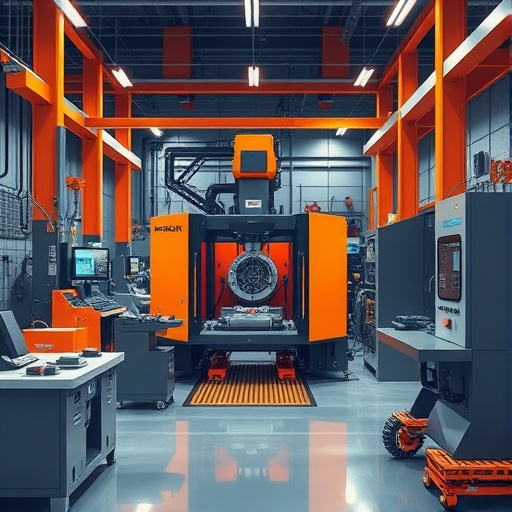
A leading automotive supplier deployed a custom machine for precision machining of engine components, featuring automated lathes and robotic loaders. This design integrated conveyors for part flow and laser marking for quality checks, slashing production time by 40%. Engineers optimized pneumatic actuators for smooth operation, enhancing reliability in high-volume runs.
In electronics manufacturing, a firm used a turnkey custom system with fixtures for delicate circuit board assembly. Robotic arms handled placement, while saws cut traces accurately, boosting output without errors. Maintenance features like self-diagnosing sensors kept it running flawlessly.
Food processing saw a custom conveyor-based machine with hydraulic lifts for packaging, adapting to varying product sizes. This scalable solution increased throughput by 35%, demonstrating custom machine design's versatility across industries.
Impact of Custom Designs on Manufacturing Efficiency
Custom designs profoundly impact efficiency, as seen in a pharmaceutical plant's automated pill-pressing machine. Tailored dies and fixtures ensured precise dosing, with robotic integration cutting waste by 25%. Energy optimization in the design lowered utility costs, while scalability allowed line expansions seamlessly.
Aerospace manufacturers benefited from custom laser marking systems on titanium parts, improving traceability and reducing inspection times. Productivity soared as automation handled complex geometries, freeing engineers for innovation.
Overall, these implementations highlight how custom machine design drives efficiency through targeted engineering, yielding faster cycles, lower costs, and superior quality in diverse manufacturing scenarios.
Comparative Analysis of Standard vs. Custom Machines
Standard machines offer quick setup but falter in specificity—generic lathes struggle with custom parts, leading to adaptations that erode efficiency. Custom machines, however, match exact needs, like integrated automation for seamless workflows, outperforming standards by 30-50% in speed.
Reliability favors customs: while standards wear uniformly, bespoke designs use optimized materials for targeted durability, reducing breakdowns. Energy use? Customs win with tailored optimization, versus standards' one-size-fits-all inefficiency.
Cost-wise, initials are higher for customs, but ROI accelerates through productivity gains and minimal maintenance. In scalability, customs adapt effortlessly, unlike rigid standards requiring replacements. This analysis underscores custom machine design's superiority for sustained manufacturing excellence.
See Also
- Pneumatic vs. Hydraulic Systems in Custom Machine Applications
- Transforming Production Lines with Unique Machine Designs
- Custom Machine Design for Scalable Manufacturing Solutions
- The Role of Mechanical Engineers in Crafting Custom Machines
- Maximizing Reliability and Performance in Custom Machine Design