From Spindles to Screws Why Swiss Machining is the Key to Efficiency in Aerospace
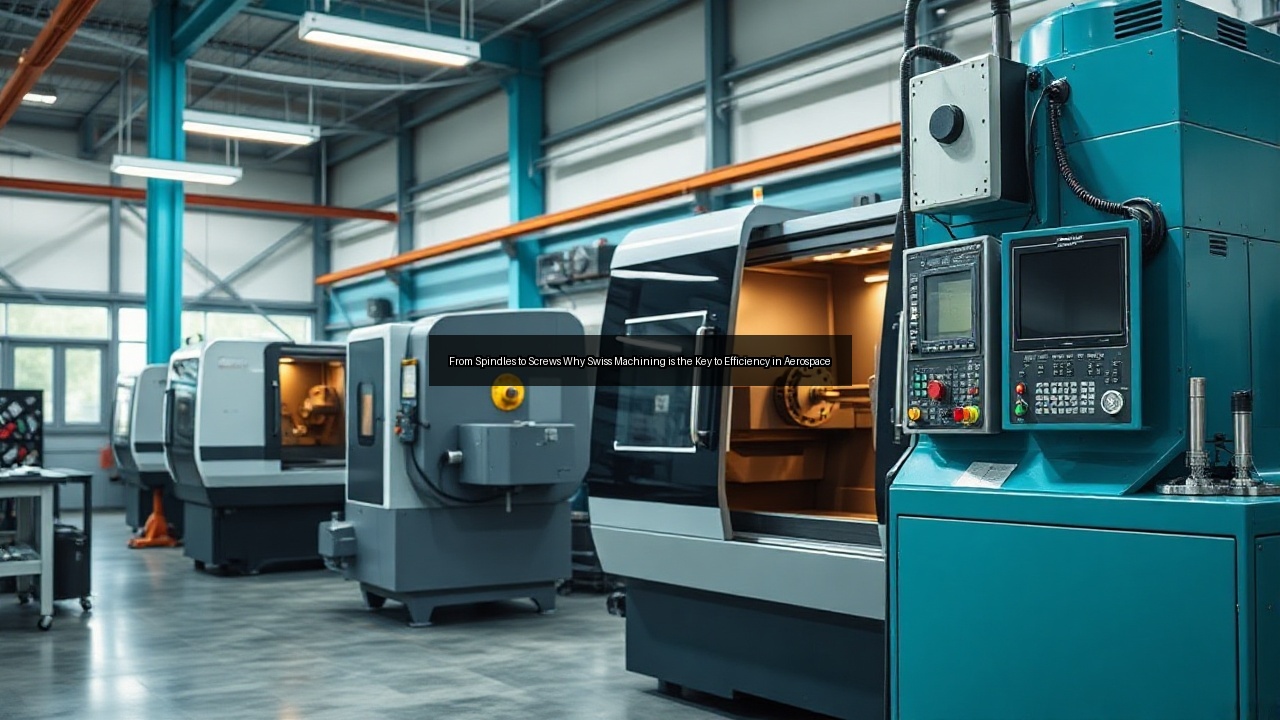
The Evolution of Swiss Machining in Aerospace
Historical Overview of Swiss Machining
Swiss machining originated in the watchmaking hubs of Switzerland during the 19th century, where lathes produced tiny, precise components like spindles and pins for timepieces. Aerospace manufacturers later adopted these techniques to handle complex parts that demand tight tolerances and consistent repeatability across high-volume runs. The shift brought screw machines into factories focused on aircraft assemblies, where every machined piece must withstand extreme conditions without failure.
Early screw machines evolved from manual operations into automated systems capable of handling materials such as stainless steel, copper, and PTFE. This foundation allowed aerospace teams to move beyond basic fabrication and embrace processes that deliver both accuracy and speed in component production. Historical records show how Swiss methods reduced waste while increasing output for critical flight hardware.
Key Innovations in Swiss Screw Machining
Modern Swiss screw machining introduced guide bushings that stabilize long, slender parts during cutting, a breakthrough that eliminated deflection issues common in older lathes. CNC integration further advanced threading and milling capabilities, enabling one-setup completion of spindles, pins, and intricate aerospace fittings. These innovations directly improved throughput while maintaining micron-level precision on every cycle.
Tooling upgrades, including advanced cutting tool geometries and coatings, extended machine life and reduced downtime. Swiss screw machining now routinely processes nylon, acetal, and Teflon alongside metals, giving aerospace suppliers flexibility when requirements shift between prototypes and full production. Continuous refinement keeps the process aligned with demanding flight standards and logistics schedules.
Comparison with Traditional Machining Methods
Traditional machining often requires multiple setups on standard lathes or mills, introducing cumulative errors that affect final tolerances. Swiss machining completes complex geometries in a single pass through its sliding headstock design, cutting cycle times and scrap rates dramatically. Aerospace projects benefit from this efficiency when schedules tighten around certification deadlines.
Volume production exposes the gap further: conventional methods struggle with consistency across thousands of screw machined parts, while Swiss equipment maintains repeatability without constant operator intervention. The result appears in lower logistics management costs and faster delivery of CNC machined components ready for assembly.
Understanding the Swiss Machining Process
Core Components of Swiss Machining
A Swiss machining center relies on the guide bushing, collet, and sliding headstock to support material right at the cutting point. This configuration allows spindles and long pins to maintain stability even during deep drilling or threading operations. Aerospace fabricators value these elements because they produce parts with minimal vibration and superior surface finishes.
Additional subsystems include coolant delivery, bar feeders, and live tooling stations that perform secondary milling without repositioning. Each component works together to handle materials ranging from stainless steel to acetal while holding tight tolerances. The integrated design supports both low-volume development runs and sustained high-volume output.
Role of CNC Machines in Swiss Machining
CNC machines transformed Swiss screw machining by replacing mechanical cams with programmable controls that execute precise movements across multiple axes. Operators program tool paths for complex aerospace geometries, achieving consistent results on every spindle or pin produced. This digital layer adds repeatability that manual screw machines could never match.
Modern CNC turning and CNC milling stations within Swiss platforms reduce setup time between jobs. Aerospace teams load new parameters quickly, then let the machines run unattended for extended periods. The combination of Swiss mechanical stability and CNC flexibility raises overall efficiency without sacrificing the accuracy required for flight-critical hardware.
Types of Materials Used: Teflon, Nylon, and Acetal
Teflon, nylon, and acetal appear frequently in aerospace applications because they offer chemical resistance, low friction, and lightweight properties essential for non-structural components. Swiss machining service providers machine these polymers with sharp tooling to avoid melting or burr formation during high-speed cuts.
PTFE and acetal demand specific feed rates and coolant strategies to preserve dimensional stability. Nylon parts benefit from the process’s ability to hold fine threads and smooth finishes. Aerospace manufacturers select these materials when weight savings and corrosion resistance outweigh the need for metal strength, trusting Swiss equipment to deliver reliable screw machined outcomes.
Benefits of Swiss Machining for Aerospace Efficiency
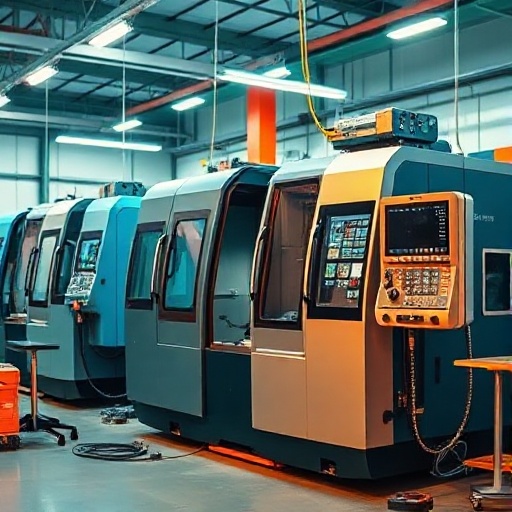
Precision and Accuracy in Aerospace Components
Swiss machining achieves tolerances often tighter than ±0.0002 inches on spindles, pins, and threaded fittings, meeting the exacting standards aerospace assemblies require. The guide bushing system prevents part deflection, so every feature stays true from one end to the other. Engineers count on this level of accuracy to ensure interchangeability across large production batches.
Reduced variation translates directly into fewer rejected parts and less rework downstream. Aerospace suppliers using Swiss methods report higher first-pass yields, which protects tight project timelines. The process consistently delivers the dimensional control needed for components that interface with hydraulic systems, actuators, and avionics enclosures.
Speed and Throughput in Production
Single-setup machining shortens cycle times compared with conventional methods that move parts between machines. Swiss screw machines complete turning, milling, and threading operations in one continuous sequence, raising daily output without added labor. Aerospace production lines gain measurable throughput increases that help meet aggressive delivery windows.
Bar feeders and automatic tool changers keep machines running through shift changes. High spindle speeds paired with optimized cutting parameters allow rapid material removal while preserving surface quality. The resulting efficiency lowers per-part costs and frees capacity for additional aerospace programs.
Meeting ISO 9001 Standards for Quality
ISO 9001 certification demands documented processes, traceability, and continuous improvement—all areas where Swiss machining service operations excel. Detailed CNC programs and in-process inspection protocols provide the data auditors require. Aerospace customers verify that every batch of screw machined parts meets the documented quality management system.
Statistical process control integrated into Swiss workflows catches deviations early, preventing nonconforming hardware from advancing. The discipline of ISO 9001 aligns naturally with the repeatability inherent in Swiss equipment, giving manufacturers confidence that production remains stable across material lots and machine operators.
Applications of Swiss Machining in Aerospace Manufacturing
Screw Machined Parts: Spindles and Pins
Spindles and pins produced on Swiss screw machines serve critical roles in control linkages, fuel systems, and landing gear mechanisms. The process creates long, slender features with concentricity that traditional lathes rarely match. Aerospace designers specify these components when alignment and minimal play determine system performance.
Threading and grooving operations occur in the same cycle, eliminating secondary handling that risks damage. High-volume runs maintain identical geometry from the first part to the last, supporting just-in-time replenishment programs. Swiss machining service providers routinely deliver these parts in stainless steel, copper alloys, and engineered plastics.
CNC Turning and Milling in Aerospace
CNC turning on Swiss platforms handles diameters from fractions of an inch up to several inches while maintaining tight concentricity. Live tooling adds milling flats, slots, and cross holes without refixturing, shortening lead times for complex aerospace fittings. Manufacturers value this versatility when part designs evolve between development and production phases.
CNC milling attachments within the same machine create precise features on multiple faces in one setup. The result appears in reduced fixture costs and fewer opportunities for error. Aerospace teams gain reliable output of precision machined parts that integrate seamlessly into larger assemblies.
Logistics Management and JIT Manufacturing
JIT manufacturing relies on predictable delivery of machined components to keep assembly lines moving. Swiss machining service shops coordinate bar stock inventory and production scheduling to match customer pull signals. Reduced work-in-process inventory lowers carrying costs while ensuring spindles and pins arrive exactly when needed.
Logistics management improves further through consolidated shipments of complete kits rather than piecemeal deliveries. Aerospace partners track orders via integrated systems that update status from raw material receipt through final inspection. The efficiency gained supports lean operations across the entire supply chain.
Choosing the Right Swiss Machining Service
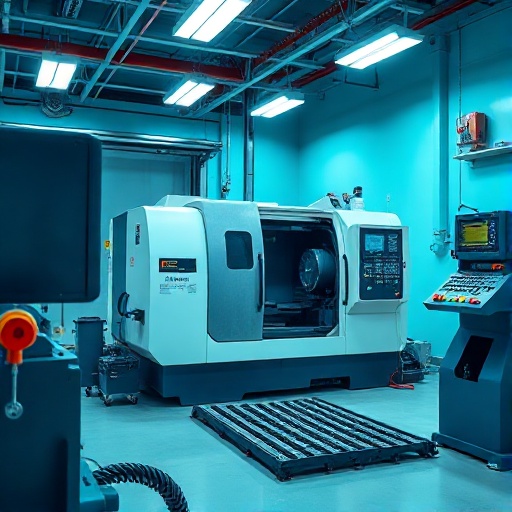
Factors to Consider When Selecting a Machining Shop
Aerospace buyers evaluate Swiss machining service providers on equipment age, operator expertise, and proven experience with flight hardware. Shops that maintain ISO 9001 certification and invest in regular calibration demonstrate commitment to consistent quality. Capacity for both prototype and volume production signals flexibility when program requirements change.
Material handling capabilities matter as well—facilities comfortable machining Teflon, nylon, acetal, stainless steel, and copper reduce the need for multiple vendors. Lead time transparency and responsive communication further separate top performers from average options in a competitive market.
The Role of Tools and Cutting Technology
Advanced cutting tool technology directly influences surface finish and tool life during Swiss operations. Carbide inserts with specialized coatings resist wear when running at elevated speeds on tough aerospace alloys. Proper tool selection minimizes burrs on threaded features and preserves edge sharpness across long production runs.
Live tooling stations benefit from quick-change systems that shorten setup between jobs. Aerospace machining shops that track tool wear data and maintain spare inventories avoid unplanned downtime. The right combination of machines and cutting technology sustains the speed and accuracy customers expect from precision Swiss processes.
Case Study: McCormick Industries and Aerospace Success
McCormick Industries built its reputation by applying Swiss screw machining to demanding aerospace contracts that required both precision and rapid turnaround. Their investment in CNC machines and rigorous process controls enabled consistent delivery of spindles, pins, and threaded components that met strict flight specifications. The company’s adherence to ISO 9001 protocols gave customers documented traceability from raw material through final inspection.
By integrating JIT principles and careful logistics management, McCormick Industries reduced lead times while scaling production volume without quality loss. Their experience with materials including stainless steel, copper, Teflon, nylon, and acetal positioned them as a reliable partner for programs needing both prototypes and sustained output. This approach illustrates how the right Swiss machining service converts technical capability into measurable aerospace efficiency gains.
See Also
- Navigating Tolerances How Swiss Machining Services Ensure Quality and Accuracy
- Transforming Materials The Role of Swiss Machining in Fabricating Innovative Components
- Unlocking Precision The Advantages of Swiss Machining Services in Modern Manufacturing
- The Art of CNC Turning Exploring the Versatility of Swiss Machining Techniques