Flameproof Motors Explained for Industrial Applications

Understanding Flameproof Motors in Industrial Settings
What Are Flameproof Motors?
Flameproof motors stand as critical components in environments where safety demands the utmost protection against potential explosions. Engineers design these electric motors to contain any internal ignition sources, preventing flames or sparks from escaping and igniting surrounding flammable gases, vapors, or dusts. In industrial applications, flame proof motors operate reliably in hazardous areas, ensuring uninterrupted production without compromising worker safety. Manufacturers construct them with robust enclosures that withstand explosive pressures, making them indispensable for sectors like petrochemicals and mining. These motors function like standard electrical motors but incorporate specialized features to meet stringent safety certifications. For instance, the enclosure seals tightly, allowing any explosion inside to dissipate harmlessly without propagation. Operators value flameproof motors for their durability and compliance with international standards, reducing downtime and insurance costs. When selecting electric motors for volatile settings, professionals prioritize flame proof designs to mitigate risks associated with electrical faults or overloads. These motors power essential equipment, from pumps to fans, delivering consistent torque and speed under harsh conditions. Understanding their role reveals why industries invest heavily in flameproof technology— it safeguards lives and assets while boosting operational efficiency. Beyond basic functionality, flameproof motors integrate advanced insulation to handle high temperatures, extending service life in demanding scenarios. Procurement teams often consult detailed specifications to match motor ratings with site-specific hazards, ensuring optimal performance.
Key Differences Between Flameproof and Explosion-Proof Motors
Flameproof motors and explosion-proof motors both protect against ignition in hazardous areas, yet distinct engineering approaches set them apart. Flameproof motors, often termed flame proof motors, focus on containing explosions within the enclosure, using thick walls to absorb and quench any internal blast. Explosion-proof motors, on the other hand, emphasize preventing entry of explosive atmospheres while managing internal heat and sparks through flame paths and tight joints. In practice, flameproof designs excel in gas-heavy environments like refineries, where they prioritize flame containment over total exclusion. Explosion-proof variants, common in North American standards, incorporate broader sealing mechanisms to block dust and vapor ingress, aligning with NEMA ratings for comprehensive protection. Cost differences arise too—flameproof motors may require less maintenance in certain setups due to simpler flame-quenching features, while explosion-proof models demand periodic joint inspections. Performance-wise, both deliver reliable electric motor output, but flameproof units often handle variable loads better in European-style applications. Selecting between them hinges on regional regulations; IEC standards favor flameproof for Zone 1 areas, whereas NEC guidelines lean toward explosion-proof for Class I locations. Engineers must evaluate these nuances to avoid mismatches that could lead to failures. Ultimately, understanding these differences empowers facilities to choose motors that align with specific explosion proof requirements, enhancing safety protocols across industrial motors.
Applications of Flameproof Motors in Hazardous Areas
Industries That Require Flameproof Motors
Numerous industries rely on flameproof motors to navigate the perils of hazardous areas, where flammable substances pose constant threats. The petrochemical sector leads this charge, deploying these electric motors in refineries to drive compressors and mixers amid volatile hydrocarbons. Mining operations integrate flame proof motors into conveyor systems and ventilation fans, combating dust explosions deep underground. Pharmaceutical manufacturing uses them for agitators in solvent-based processes, ensuring sterile environments remain explosion-free. Power generation plants, especially those handling coal or gas, install flameproof motors on turbines and pumps to maintain continuous output. Food processing facilities with grain dust hazards turn to these motors for milling equipment, prioritizing both safety and hygiene. Textile mills, dealing with flammable fibers, employ them in spinning machines to prevent sparks from igniting lint-laden air. Even wastewater treatment plants adopt flameproof designs for submersible pumps in methane-rich zones. These applications underscore the versatility of industrial motors engineered for danger—flameproof units reduce accident rates and comply with OSHA mandates. Procurement decisions in these sectors often weigh motor efficiency against hazard levels, favoring explosion-proof enclosures for long-term reliability. As global regulations tighten, more industries shift toward flameproof technology, recognizing its role in sustainable, safe operations. This widespread adoption highlights how flameproof motors transform risky workplaces into productive hubs.
Common Uses in Chemical and Oil Industries
In the chemical and oil industries, flameproof motors power a range of critical operations, safeguarding against the ever-present risk of explosions from volatile compounds. Refineries deploy these electric motors to operate distillation columns and pipeline pumps, where hydrocarbon vapors demand unyielding protection. Chemical plants use flame proof motors in reactors and blending tanks, ensuring smooth agitation without igniting reactive gases like hydrogen or solvents. Offshore oil platforms integrate them into drilling rigs and subsea equipment, enduring corrosive saltwater while containing potential blasts. Storage terminals rely on flameproof units for transfer pumps and ventilation systems, preventing vapor buildup in confined spaces. Pipeline networks across vast terrains employ these motors for booster stations, maintaining flow in remote, hazardous zones. Downstream processes, such as lubricant production, harness their torque for high-pressure extruders. Safety records improve dramatically with flameproof motors, as they minimize ignition sources in Class I Division 1 areas. Operators appreciate their integration with monitoring systems, allowing real-time diagnostics to preempt failures. In oil sands extraction, heavy-duty flameproof motors drive bitumen separators, tackling extreme temperatures and dust. These applications not only enhance efficiency but also align with API standards, fostering trust among stakeholders. As industries evolve toward automation, flameproof motors remain foundational, powering innovations in hazardous areas without compromise.
Safety Standards for Flameproof Motors
Safety standards for flameproof motors establish rigorous benchmarks to ensure they perform flawlessly in hazardous areas, protecting workers and infrastructure alike. The IEC 60079 series defines flameproof construction under Ex d classification, mandating enclosures that withstand 1.5 times the maximum explosion pressure. ATEX directives in Europe enforce similar requirements, certifying motors for Zones 1 and 2 where explosive gases persist. In the U.S., UL 1203 and FM approvals align explosion-proof designs with NEC Article 500, focusing on flame paths that cool escaping gases below ignition thresholds. These standards demand rigorous testing, including impact, thermal, and static pressure trials, to validate enclosure integrity. Manufacturers must document material compatibility to resist corrosion in chemical-laden environments. Routine inspections, as per ISO 9001, verify joint alignments and gasket conditions, preventing degradation over time. Compliance extends to labeling—clear Ex markings indicate gas groups and temperature classes, guiding safe installations. Training programs for technicians emphasize these standards, reducing human error in maintenance. Global harmonization efforts, like those from IECEx, streamline certifications, easing cross-border deployments of flame proof motors. Violations carry severe penalties, from fines to shutdowns, underscoring adherence's importance. By meeting these benchmarks, industries achieve not just legal compliance but enhanced operational resilience, turning potential disasters into controlled processes.
Design Features of Flameproof Motors
Construction of Explosion-Proof Enclosures
Engineers craft explosion-proof enclosures for flameproof motors with precision, prioritizing containment and durability in hazardous areas. These enclosures feature heavy-gauge cast iron or aluminum housings, machined to exact tolerances for seamless joints that form flame paths—narrow channels quenching any escaping flames. Threaded covers secure tightly, often with O-ring seals to block ingress of dust or vapors, ensuring the internal electric motor remains isolated. Internal baffles and cages surround windings, dissipating heat without compromising the motor's core function. Ventilation occurs through controlled breather vents, preventing pressure buildup while maintaining IP ratings for dust and water resistance. Bolted flanges distribute stress evenly, allowing the enclosure to endure explosive forces up to 10 bar without rupture. Cable entries use explosion-proof glands, sealing conduits against spark propagation. Design software simulates blast scenarios, refining shapes for optimal performance. Customization accommodates various motor sizes, from fractional horsepower to massive industrial units. Maintenance access panels incorporate secondary seals, facilitating inspections without full disassembly. These construction elements make flame proof motors reliable workhorses, certified to handle the rigors of volatile atmospheres. As technology advances, smarter sensors embed within enclosures, providing predictive alerts for potential breaches. This thoughtful engineering not only meets safety codes but elevates the overall integrity of electrical systems in danger-prone sites.
Materials Used in Flameproof Motor Design
Material selection drives the robustness of flameproof motor design, balancing strength, conductivity, and resistance to corrosive elements in hazardous areas. Cast iron dominates enclosure bodies for its superior tensile strength and ability to absorb explosion energies, often alloyed with silicon for enhanced heat dissipation. Aluminum alloys, lighter yet durable, suit smaller electric motors where weight reduction aids installation in tight spaces. Copper windings ensure efficient current flow, insulated with Class F or H materials like mica or epoxy resins to withstand temperatures exceeding 155°C without degrading. Stainless steel shafts and bearings resist rust in humid, chemical-rich environments, extending operational life. Gaskets employ nitrile or Viton rubber for chemical compatibility, sealing against explosive mixtures. For dust-prone applications, non-sparking bronze or brass components minimize ignition risks. Advanced composites, such as glass-reinforced polyester, emerge in hybrid designs for corrosion-heavy oil fields. Thermal management incorporates heat sinks from anodized aluminum, preventing hotspots that could ignite surroundings. Sourcing adheres to RoHS directives, avoiding hazardous substances while maintaining performance. Engineers test material pairings under simulated explosions, verifying no fragmentation occurs. These choices not only comply with flameproof standards but optimize motor efficiency, reducing energy losses in industrial motors. As sustainability pressures mount, recycled metals gain traction, proving that eco-friendly materials can uphold safety without sacrifice.
NEMA Ratings Relevant to Flameproof Motors
NEMA ratings play a pivotal role in specifying flameproof motors for hazardous areas, outlining protection levels against environmental hazards. NEMA 7 enclosures, integral to explosion-proof designs, guard against ignitable dust and arcs, ideal for grain elevators or coal plants. NEMA 4X combines weatherproofing with corrosion resistance, suiting chemical facilities where flame proof motors face acid splashes and saltwater. These ratings ensure electric motors seal out flammable vapors while managing internal pressures. NEMA 9 targets hazardous dust locations, complementing flameproof features in mining ventilation systems. Compliance involves third-party verification, confirming enclosures meet ingress protection metrics like IP66 for dust-tight operation. Designers integrate NEMA standards with IEC equivalents, bridging global applications for seamless exports. Higher ratings, such as NEMA 3R for outdoor use, add rain and ice protection without diluting explosion safety. Field technicians reference these ratings during retrofits, matching motor enclosures to site classifications like Division 2 zones. Cost implications factor in—NEMA-compliant parts often command premiums but yield lower long-term risks. Educational resources from NEMA detail rating hierarchies, empowering specifiers to select optimal configurations. In practice, these ratings elevate flameproof motors beyond mere compliance, fostering versatile deployments across diverse industrial landscapes. As automation integrates, NEMA-rated smart enclosures enable remote monitoring, further enhancing safety protocols.
Performance Characteristics of Flameproof Motors
Premium Efficiency of Flameproof Motors
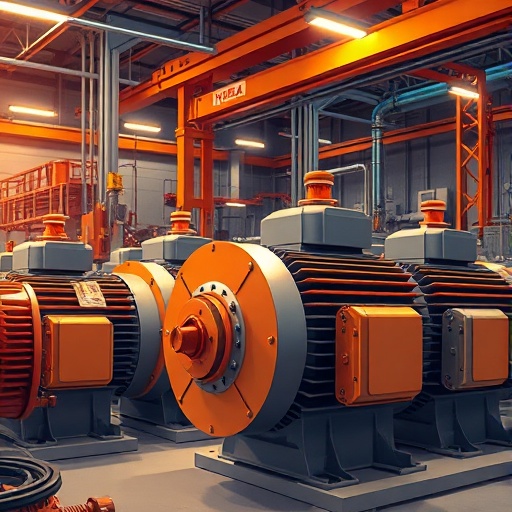
Premium efficiency defines the superior energy performance of flameproof motors, minimizing losses in hazardous areas while powering demanding industrial tasks. These electric motors achieve IE3 or NEMA Premium ratings, boasting efficiencies up to 95% through optimized rotor designs and low-loss laminations. Copper or aluminum die-cast rotors reduce slip, delivering higher torque with less input power. In chemical plants, this translates to substantial savings on utility bills for continuous pump operations. Flame proof enclosures incorporate cooling fins and fans, maintaining thermal stability without compromising explosion safety. Variable speed capabilities enhance efficiency further, matching load demands precisely to avoid overconsumption. Testing per IEEE 112 verifies these claims, ensuring real-world gains. Industries report 20-30% energy reductions post-upgrade, aligning with EPA energy star goals. Maintenance routines focus on bearing lubrication to sustain peak performance over decades. Integration with SCADA systems monitors efficiency metrics, alerting to deviations early. Despite initial costs, payback periods shorten to under two years in high-run-hour settings like oil refineries. Premium efficiency also lowers carbon footprints, supporting green initiatives without sacrificing robustness. As regulations like EU's Ecodesign Directive tighten, flameproof motors evolve with even slimmer profiles. This focus on efficiency cements their status as smart investments for forward-thinking operations.
Variable Frequency Drives and Flameproof Motors
Variable frequency drives (VFDs) revolutionize the operation of flameproof motors, enabling precise speed control in hazardous areas for enhanced process optimization. These drives adjust electrical motors' frequency and voltage, allowing flame proof units to ramp up or down smoothly, reducing mechanical stress on pumps and fans in oil rigs. Compatibility demands certified VFD-flameproof pairings, often with explosion-proof enclosures housing the drive electronics to prevent arcing. Soft starts minimize inrush currents, protecting grids in remote mining sites. Energy savings soar—up to 50% in variable-load scenarios like chemical mixing—by matching motor speed to demand. Harmonic filters mitigate electrical noise, ensuring clean power delivery without ignition risks. Installation requires grounding per NEC guidelines, with cable shielding to block EMI in volatile atmospheres. Operators fine-tune parameters via HMIs, boosting productivity in petrochemical distillation. Retrofitting legacy systems with VFDs extends motor life, cutting replacement costs. Training emphasizes safe commissioning, avoiding trips in Zone 1 environments. As IoT integrates, VFD-monitored flameproof motors predict failures, scheduling maintenance proactively. This synergy drives industrial motors toward smarter, safer horizons, transforming fixed-speed limitations into dynamic capabilities.
Impact of Environment on Motor Performance
Environmental factors profoundly influence flameproof motor performance, dictating adaptations for sustained reliability in hazardous areas. High humidity in coastal refineries accelerates corrosion, prompting stainless steel upgrades to preserve enclosure integrity and motor efficiency. Dust-laden mining tunnels demand enhanced sealing to prevent ingress, maintaining cooling airflow for optimal torque output. Extreme temperatures— from -40°C in Arctic oil fields to 50°C in desert plants—test insulation classes, with Class H windings ensuring no thermal runaway ignites surroundings. Vibration from heavy machinery stresses bearings, necessitating robust mounts to avoid misalignment and efficiency drops. Chemical exposures in pharma settings erode surfaces, requiring epoxy coatings for longevity. Salt fog in offshore platforms corrodes joints, mandating frequent IP-rated inspections. These elements collectively impact starting current and speed stability, potentially raising energy use by 10-15% if unaddressed. Monitoring tools like vibration sensors track deviations, enabling preemptive tweaks. Site-specific engineering, including derating for altitude, fine-tunes performance. Climate-resilient designs, with IP68 submersibles for wastewater, broaden applications. Understanding these influences guides selection, ensuring flame proof motors thrive amid adversity. Proactive environmental management not only sustains output but fortifies safety, turning challenges into opportunities for resilient operations.