Exploring the Advantages of Duckbill Valves in Industrial Applications

Introduction to Duckbill Valves in Industrial Settings
Duckbill valves stand out as essential components in modern industrial operations, offering reliable solutions for fluid control. Engineers and facility managers increasingly turn to these devices for their simplicity and efficiency in demanding environments. Industrial duckbill valves, often crafted from durable rubber, prevent reverse flow while allowing seamless forward movement of liquids or gases. This introduction delves into their core features and the critical role they play in safeguarding industrial processes.
Overview of Duckbill Valves
Duckbill valves mimic the shape of a duck's bill, featuring a flexible rubber flap that opens under forward pressure and seals shut against backflow. These check valves excel in applications requiring a one-way valve mechanism without mechanical parts that could fail over time. In industrial settings, duckbill valves handle everything from water to corrosive chemicals, making them versatile for pipelines, pumps, and venting systems. Their design eliminates the need for external actuators, reducing maintenance and installation complexity. Manufacturers produce them in various sizes, from small fittings to large industrial duckbill valves suited for high-volume flows. As non-return valves, they ensure system integrity by blocking contaminants or pressure surges from reversing direction. Duckbill check valves integrate easily into existing setups, often as a gasket or reducer in pipe assemblies. For industries seeking robust yet unobtrusive flow control, these valves deliver consistent performance without the bulk of traditional options. Their popularity stems from adaptability—whether in clean water systems or harsh chemical processing, duckbill valves maintain efficiency and reliability. Exploring duckbill industrial valves reveals their evolution from simple seals to sophisticated components in automated facilities.
Importance of Backflow Prevention in Industry
Backflow prevention protects industrial systems from contamination, equipment damage, and operational downtime. In manufacturing plants, unchecked reverse flow can introduce pollutants into clean lines, leading to costly shutdowns and health risks. Duckbill valves address this by acting as a reliable backflow prevention tool, ensuring fluids move only in the intended direction. Industries like food processing and pharmaceuticals demand stringent controls to meet regulatory standards, where even minor breaches can result in recalls or fines. These valves prevent pressure imbalances that might overload pumps or erode pipe integrity. In water treatment facilities, backflow poses environmental hazards by mixing treated effluents with raw sources. Industrial duckbill valves mitigate these issues through their passive, fail-safe design—no power or manual intervention required. They outperform basic flaps by sealing tightly under varying pressures, maintaining system hygiene. Facility operators value how these one-way valves safeguard against surges during pump startups or shutdowns. Beyond compliance, effective backflow prevention extends equipment lifespan and optimizes energy use. As industries scale up, integrating duckbill valves becomes a proactive step toward resilient infrastructure. Their role in preventing cross-contamination underscores why duckbill valve industrial applications continue to expand across sectors.
Key Advantages of Duckbill Valves
Industrial duckbill valves offer distinct edges over conventional flow control devices, combining innovation with practicality. Their advantages shine in high-stakes environments where reliability drives productivity. From weight savings to enduring materials, these valves streamline operations and cut long-term costs.
Lightweight Design and Its Benefits
The lightweight construction of duckbill valves revolutionizes industrial installations by easing handling and reducing structural demands. Made primarily from rubber rather than heavy cast iron, these valves weigh significantly less than metal alternatives, allowing quicker assembly in tight spaces. Workers install them without cranes or extensive support, speeding up projects and lowering labor expenses. In mobile equipment or overhead piping, the reduced weight prevents sagging or added stress on frameworks. Duckbill check valves maintain full functionality despite their minimal mass, supporting flows up to thousands of gallons per minute. This design suits applications like portable pumps in construction sites, where mobility matters. Engineers appreciate how lightweight duckbill valves integrate as reducers or gaskets without altering system balance. Compared to bulky check valves, they offer a sleeker profile that enhances aesthetics in visible installations. Energy efficiency follows suit—less weight means lower inertia during operations, conserving power in automated lines. For industries prioritizing agility, such as marine or aerospace support, these valves deliver without compromising strength. The lightweight nature also aids in retrofitting older systems, minimizing downtime. Overall, duckbill industrial valves embody efficiency, proving that form and function align perfectly in lightweight packages.
Effective Backflow Prevention Mechanism
Duckbill valves provide superior backflow prevention through a self-actuating rubber bill that responds instantly to flow direction. Forward pressure forces the lips apart, enabling smooth passage, while any reverse attempt clamps them shut, creating a leak-proof seal. This mechanism outperforms spring-loaded check valves by eliminating moving parts prone to wear or jamming. In industrial pipelines, it handles pulsating flows from compressors or reciprocating pumps without fluttering or chatter. The valve's sensitivity to low pressures—opening at mere inches of water column—ensures precise control in delicate systems. Duckbill check valves excel in preventing contamination in dual-line setups, like those mixing chemicals or treating water. Their non-return valve action blocks debris buildup, extending upstream component life. Unlike rigid gates, the flexible rubber adapts to irregular flows, maintaining efficiency across temperature swings. Industries benefit from reduced water hammer, as the soft closure absorbs shocks gently. For high-velocity applications, reinforced duckbill valves sustain integrity up to 20 psi differentials. This reliability minimizes leaks that could escalate into safety hazards. Duckbill valve manufacturers engineer them for silent operation, avoiding the noise of slamming discs. In essence, their backflow prevention mechanism fortifies industrial processes against disruptions, fostering uninterrupted productivity.
Durability and Longevity of Rubber Materials
Rubber materials in duckbill valves deliver exceptional durability, withstanding harsh industrial conditions that degrade lesser components. High-grade elastomers resist abrasion, chemicals, and UV exposure, ensuring decades of service in submerged or exposed setups. Unlike metal valves that corrode in acidic environments, rubber duckbill valves flex without cracking, maintaining seals over millions of cycles. Manufacturers select compounds like EPDM or nitrile for specific needs—EPDM for water resistance, nitrile for oils—tailoring longevity to the application. In wastewater lines, these valves endure sediment scouring without losing elasticity. Their gasket-like integration prevents bypass leaks, even as surrounding pipes age. Industrial rubber duckbill valves boast lifespans up to 20 years, far outpacing plastic alternatives that brittle under heat. Temperature tolerance spans -40°F to 250°F, accommodating steam or cryogenic uses. The material's resilience absorbs vibrations from heavy machinery, reducing fatigue failures. Routine inspections reveal minimal wear, often just surface polishing that enhances performance. Cost savings accumulate as replacements dwindle, freeing budgets for core operations. Duckbill valves in cast iron housings combine rubber's flexibility with metal's strength for hybrid durability. This longevity underscores why industries trust rubber-based designs for mission-critical flow control.
Technical Specifications and Performance
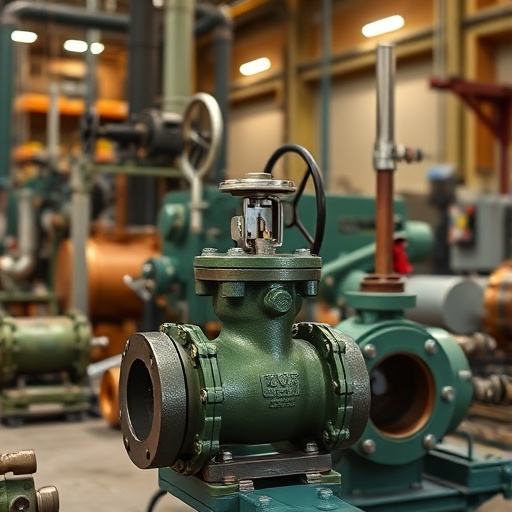
Delving into the technical specifications of duckbill valves reveals engineering precision that underpins their industrial prowess. Performance metrics highlight why these devices outperform expectations in flow management and reliability.
Understanding the Structure of Duckbill Check Valves
The structure of duckbill check valves centers on a molded rubber bill attached to a rigid frame, forming a compact yet powerful flow director. The bill's tapered lips, typically 0.5 to 2 inches long, curve inward for a natural seal when idle. Anchored via clamps or flanges, the assembly fits standard pipe ends, often as a simple insert. Internal reinforcements like fabric plies prevent overextension during high flows, while the base includes ports for even pressure distribution. Duckbill valves operate without hinges or springs, relying on fluid dynamics for activation. Cross-sections show varying thicknesses—thinner tips for sensitivity, thicker roots for stability. Materials undergo vulcanization for uniform strength, resisting tears from debris. In larger models, multiple bills parallelize for scaled capacity. This anatomy allows inline installation, minimizing turbulence. Technical drawings emphasize the bill's arc, optimized at 30-45 degrees for minimal resistance. Duckbill industrial valves incorporate O-rings or gaskets at connections for zero leakage. Understanding this build demystifies their silent, efficient operation in pumps and vents. Variations include flanged or threaded ends, adapting to diverse setups. Overall, the structure balances simplicity with robust performance, making duckbill check valves a staple in technical arsenals.
Comparison with Traditional Check Valves
Duckbill check valves surpass traditional check valves in weight, maintenance, and adaptability, reshaping industrial preferences. Swing check valves, with their hinged discs, demand space for pivoting and often slam shut, causing noise and wear. In contrast, duckbill valves offer a linear path with no obstruction, reducing head loss by up to 50%. Ball check valves clog easily with particulates, but duckbill designs self-clean via flexing. Piston types require high cracking pressures, unsuitable for low-flow scenarios where duckbills activate at 0.05 psi. Material-wise, rubber duckbills outlast cast iron or bronze counterparts in corrosive fluids, avoiding rust without coatings. Installation favors duckbills' lightweight profile—no heavy bolting needed versus flanged tradings. Performance tests show duckbills handle reverse pressures to 100 psi without deformation, exceeding many lift valves. They eliminate water hammer through gradual closure, unlike abrupt disc stops. Cost analysis reveals lower lifecycle expenses: duckbill valves need no lubrication or adjustments. In vertical orientations, duckbills prevent drainage issues plaguing horizontal swings. For space-constrained areas, their inline form trumps bulky alternatives. This comparison spotlights why duckbill valve industrial shifts occur, prioritizing efficiency over outdated mechanics.
Key Technical Specifications for Industrial Use
Key technical specifications for industrial duckbill valves include flow rates from 1 to 10,000 GPM, pressure ratings up to 150 psi, and sizes spanning 1/4 to 48 inches. Crack pressures range 0.1 to 5 psi, customizable for sensitive applications. Rubber durometers hit 60-80 Shore A for optimal flex and seal. Temperature limits extend -50°F to 300°F, with chemical resistance charts detailing compatibility for acids, oils, and solvents. Burst strength exceeds 500 psi, ensuring safety in surges. Leakage rates stay below 1 SCCM at rated backpressure, certified to standards like API 6D or ISO 9001. EVR products, for instance, specify UV-stabilized compounds for outdoor use. Velocity tolerances reach 20 ft/s without erosion. Mounting options cover threaded, weld-end, or wafer styles, with reducer adapters for mismatched pipes. Electrical non-conductivity suits hazardous locations. Documentation includes CFD simulations verifying low Cv values for energy savings. These specs guide selections, ensuring duckbill valves match industrial demands precisely. Performance curves plot head loss versus flow, aiding system design. In summary, robust specifications validate their role as dependable non-return valves across sectors.
Applications of Duckbill Valves in Various Industries
Duckbill valves find widespread use across industries, tackling unique challenges in fluid handling. Their versatility drives adoption in systems demanding unyielding flow control.
Usage in Water Management Systems
In water management systems, duckbill valves regulate outflows from reservoirs, irrigation lines, and municipal supplies with precision. They prevent tidal backflow in coastal pumping stations, protecting freshwater integrity. Installed at drain ends, these valves allow discharge while blocking inlet surges during storms. Lightweight duckbill check valves fit into PVC or HDPE pipes as reducers, easing retrofits in aging infrastructure. Their rubber construction resists mineral scaling common in hard water areas. Flow capacities support urban demands, venting air pockets to avoid cavitation in long runs. In flood control, they maintain one-way drainage from retention basins, averting overflows. Sensors integrate with valves for automated monitoring, enhancing smart city initiatives. Backflow prevention complies with AWWA standards, safeguarding potable networks. Duckbill industrial valves handle seasonal variations, from high summer irrigation to winter low flows. Maintenance crews appreciate their inspectability—no disassembly for checks. In desalination plants, they isolate brine discharge, minimizing marine impacts. Overall, these applications highlight duckbill valves' contribution to sustainable water management, ensuring reliable delivery without contamination risks.
Role in Wastewater Treatment
Wastewater treatment relies on duckbill valves to isolate processes and prevent cross-contamination between stages. In aeration tanks, they vent off-gases while blocking sludge return, maintaining oxygen levels. Rubber duckbill valves endure abrasive effluents, with reinforced lips resisting solids up to 2 inches. As non-return valves, they stop septicity from backing into clean zones during power outages. In sludge dewatering, they direct filtrate one-way, optimizing press efficiency. Duckbill check valves integrate into blower lines, silencing exhaust while allowing pressure equalization. Their gasket seals prevent odor leaks in enclosed facilities. High-durability models handle pH extremes from 2 to 12, common in industrial effluents. Treatment plants use them in diffuser systems to bubble air unidirectionally, boosting microbial activity. Backflow prevention averts regulatory violations by containing pathogens. Lightweight designs speed installations in confined wet wells. EVR products offer variants for high-temperature digesters, preserving biogas flows. Monitoring apps track valve performance, predicting wear from flow data. These roles underscore duckbill valves' indispensable function in eco-friendly wastewater handling, promoting cleaner discharges and operational uptime.
Application in Oil and Gas Industries
Oil and gas industries deploy duckbill valves in drilling, refining, and transport to manage volatile fluids safely. In wellheads, they act as one-way valves for blowout preventers, sealing against pressure kicks. Rubber compounds resist hydrocarbons, preventing swelling in crude lines. Duckbill industrial valves vent separators, releasing vapors while containing liquids. Their lightweight build suits offshore platforms, reducing deck loads. In pipelines, they prevent product backflow during shutdowns, avoiding mixing grades. High-pressure models withstand 5000 psi in fracking ops, with reducer fittings for tool interfaces. Backflow prevention protects compressors from liquid slugs, extending seal life. In refineries, duckbill check valves isolate flare stacks, ensuring safe purging. Corrosion-resistant specs handle H2S environments, vital for sour gas. Installation as gaskets in flanged joints minimizes leaks. Performance under thermal cycling—from -20°F to 400°F—supports subsea uses. Suppliers provide API-certified options for compliance. These applications demonstrate duckbill valves' toughness in high-stakes oil and gas scenarios, enhancing safety and efficiency amid regulatory pressures.
Choosing the Right Duckbill Valve for Your Needs
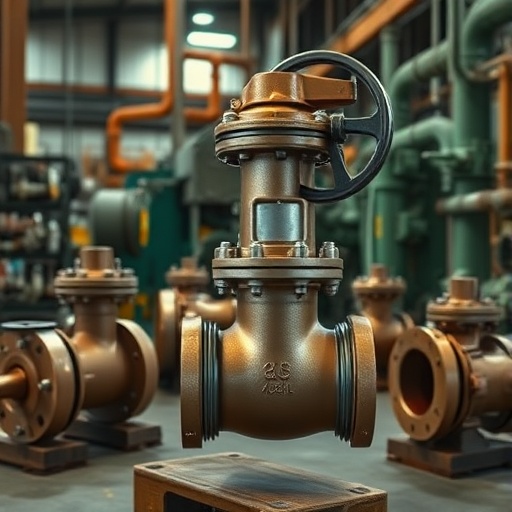
Selecting the ideal duckbill valve demands careful evaluation of operational parameters and supplier reliability. This guidance empowers informed decisions for optimal industrial integration.
Factors to Consider When Selecting Duckbill Valves
When selecting duckbill valves, prioritize flow rate, pressure differentials, and media compatibility to match system requirements. Assess pipe diameter and connection types—threaded for small lines, flanged for large—to ensure seamless fit. Material choice hinges on exposure: nitrile for petroleum, Viton for acids. Consider cracking pressure for low-head applications versus high-seal needs. Environmental factors like temperature and UV demand specialized rubbers. Installation orientation—horizontal or vertical—affects performance; some models excel in submerged setups. Budget for lifecycle costs, favoring durable options over cheap disposables. Test certifications like NSF for potable use or UL for hazards. Velocity limits guide sizing to avoid flutter. Consult technical specifications for Cv values to predict head loss. Supplier support, including customization like reducers or gaskets, adds value. Field trials verify real-world efficacy. For industrial duckbill valves, balance initial outlay with longevity—rubber's resilience often trumps metal's upfront savings. User reviews on duckbill valve manufacturers inform quality. Ultimately, these factors align selections with goals, maximizing ROI in valves and check valves alike.
Overview of Leading Duckbill Valve Manufacturers
Leading duckbill valve manufacturers like EVR Products, Red Valve, and Proco specialize in tailored industrial solutions. EVR Products excels in custom rubber duckbill valves, offering sizes from 1/2 to 12 inches with rapid prototyping. Their ISO-certified facilities ensure precision molding for demanding specs. Red Valve dominates wastewater niches, producing elastomers resistant to 98% of chemicals. Their flanged duckbill check valves integrate easily into municipal systems. Proco innovates with stainless-steel framed models for oil and gas, boasting 20-year warranties. These firms invest in R&D, developing low-crack variants for energy efficiency. Global reach includes distributors for quick sourcing of industrial duckbill valve suppliers. Quality controls feature burst testing beyond standards. Many provide CAD libraries for design integration. Duckbill valve industrial leaders emphasize sustainability, using recyclable rubbers. Comparisons show EVR's edge in lightweight designs, Red's in durability. Customer service includes application engineering consultations. Exploring these manufacturers reveals options from stock non-return valves to bespoke one-way valves. Their portfolios address related needs like backflow prevention kits. Choosing from top players guarantees performance and support.
Insights on Industrial Rubber Duckbill Valves
Industrial rubber duckbill valves blend flexibility with industrial-grade toughness, ideal for dynamic environments. EPDM variants shine in water systems, offering ozone resistance for longevity. Neoprene suits marine exposures, preventing saltwater degradation. Fabrication processes ensure uniform thickness, critical for even sealing. Insights reveal hybrid designs embedding rubber in cast iron for extreme pressures. Sizing charts recommend based on ID/OD, with tolerances under 0.01 inches. Performance insights highlight zero-maintenance appeal—inspect visually, replace rarely. In pulsatile flows, they dampen vibrations better than rigid valves. Chemical charts guide pairings, avoiding mismatches that shorten life. Rubber's compressibility forms tight gaskets, outperforming flat seals. Trends show increasing use in renewables, like biofuel lines. Cost per cycle analysis favors them over metal for high-duty apps. User insights praise silent operation in noise-sensitive plants. For suppliers of industrial duckbill valves, focus on durometer ratings—70A for balance. Innovations include conductive rubbers for static dissipation. These insights equip buyers to leverage rubber duckbill valves' full potential, driving efficient, leak-free operations across industries.