Essential Tips for Choosing the Right Lubricant for Your Equipment

Understanding the Importance of Industrial Lubrication
The Role of Lubricants in Equipment Performance
Industrial lubrication stands as the backbone of machinery longevity and efficiency. Lubricants reduce friction between moving parts like cylinders and valves, preventing wear that could lead to costly breakdowns. In high-stakes environments, such as manufacturing plants, a well-chosen lubricant ensures pumps and oil pumps operate smoothly, minimizing energy loss and heat buildup. Without proper lubrication, threads on machine screws seize, o-rings degrade prematurely, and hydraulic hoses face undue pressure, compromising the entire system. Operators rely on these lubricants to maintain peak performance, extending the life of equipment and boosting productivity. Consider how grease fittings deliver targeted lubrication to hard-to-reach areas, ensuring every component—from gland nuts to teflon-coated surfaces—functions without interruption. This proactive approach not only cuts maintenance costs but also enhances safety by averting accidents from overheated or jammed mechanisms. In essence, selecting the right industrial lubrication solution transforms routine operations into reliable, high-output processes that drive business success.
Common Types of Industrial Lubricants
Industrial lubricants come in various forms tailored to specific needs, each offering unique benefits for machinery. Oil-based lubricants excel in fluid applications, flowing easily through pumps and hydraulic systems to lubricate cylinders and valves efficiently. Grease, a thicker option, provides long-lasting protection for bearings and threads, ideal for grease lubrication in dusty or high-load settings. Synthetic oils stand out for their superior stability under extreme temperatures, making them perfect for demanding industrial grease applications. Then there are specialized formulations like those with teflon additives, which reduce friction on o-rings and machine screws without gumming up. Biodegradable lubricants address environmental concerns in outdoor equipment, while food-grade versions suit processing industries. Understanding these types helps technicians choose lubrication solutions that match equipment demands, from simple oil pumps to complex lubrication systems. By integrating the right lubricant, industries achieve optimal lubrication technology, safeguarding assets and streamlining workflows across diverse operations.
Key Factors to Consider When Choosing Lubricants
Viscosity and Temperature Range
Viscosity determines how effectively a lubricant performs under varying speeds and loads in industrial settings. Thicker viscosities suit slow-moving parts like gland nuts and threads, providing a robust film that withstands pressure without breaking down. In contrast, lower viscosity oils flow swiftly through hydraulic hoses and pumps, ensuring rapid distribution to cylinders and valves. Temperature range plays a critical role too; lubricants must remain stable in hot engines or freezing warehouses to prevent thinning or solidification. For instance, synthetic oils maintain consistent viscosity across wide ranges, protecting o-rings from cracking in extreme heat. Technicians evaluate equipment specs to match these properties, avoiding issues like overheating in oil pumps or sluggish performance in grease fittings. Poor viscosity choices lead to accelerated wear, higher energy use, and frequent downtime. By prioritizing these factors, teams implement smart industrial lubrication strategies that enhance reliability and cut operational expenses over time.
Compatibility with Equipment Materials
Compatibility ensures lubricants interact positively with equipment materials, avoiding corrosion or degradation. Metals in valves and pumps demand non-reactive formulas to prevent pitting, while rubber components like o-rings and hydraulic hoses require additives that resist swelling or brittleness. Grease with lithium thickeners works well on steel threads and machine screws, forming a barrier against moisture without attacking surfaces. Synthetic oils shine here, offering broad compatibility for mixed-material setups in cylinders and gland nuts. Incompatibility shows up as leaks from softened seals or seized grease fittings, halting production. Always check manufacturer guidelines and conduct tests on small areas before full application. This diligence in choosing industrial lubricants preserves integrity across lubrication systems, from manual tools to automated setups. Ultimately, compatible choices extend component life, reduce repair needs, and maintain the seamless flow of industrial operations.
Environmental and Safety Considerations
Environmental impact shapes lubricant selection in eco-conscious industries, where biodegradable options minimize soil and water contamination from spills in hydraulic systems. Low-volatility formulas reduce emissions from oil pumps and valves, aligning with regulations for cleaner air. Safety features, like high flash points in synthetic oils, prevent fires in hot-running machinery, protecting workers around grease fittings and threads. Non-toxic lubricants safeguard handlers during maintenance on machine screws and cylinders, cutting health risks. Industrial grease variants now incorporate sustainable thickeners, balancing performance with planetary health. Teams weigh these factors to select lubrication solutions that comply with standards like OSHA, ensuring safe, green practices. Overlooking them invites fines, hazards, or reputational damage. By embedding environmental and safety priorities, organizations foster responsible industrial lubrication that supports long-term viability and ethical standards.
Types of Lubricants and Their Applications
Grease vs. Oil: Which Is Right for Your Equipment?
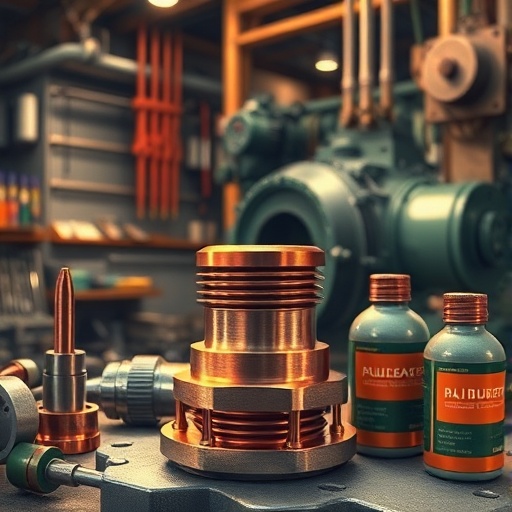
Grease and oil serve distinct roles in industrial lubrication, each excelling in targeted scenarios. Grease clings to surfaces like bearings and threads, delivering sustained protection in vertical or high-vibration setups, such as on gland nuts and machine screws. Its semi-solid nature seals out contaminants, making it ideal for grease lubrication in dusty environments around pumps and valves. Oil, however, flows freely through systems like hydraulic hoses and cylinders, providing quick cooling and cleaning action via oil pumps. Choose grease for static or slow-speed parts where retention matters, and oil for dynamic, high-speed components needing constant circulation. Hybrid approaches combine both in lubrication systems for comprehensive coverage. Missteps, like using oil on grease fittings, lead to inadequate film strength and premature failure. Evaluating equipment motion and exposure guides the decision, optimizing performance while simplifying maintenance routines in industrial settings.
Synthetic Oils: Advantages and Uses
Synthetic oils revolutionize industrial lubrication with their engineered precision, offering unmatched thermal stability and longevity. They resist oxidation far better than mineral oils, extending intervals between changes in demanding applications like high-temperature valves and pumps. In hydraulic systems, synthetic oils maintain flow through hoses and cylinders, reducing energy demands on oil pumps. Their low pour points ensure startups in cold conditions without viscosity spikes, protecting o-rings and threads from stress. Advantages include superior wear protection on machine screws and grease fittings, plus compatibility with teflon enhancements for smoother operation. Industries from automotive to aerospace rely on them for lubrication technology that cuts downtime and boosts efficiency. While costlier upfront, synthetics deliver ROI through fewer repairs and enhanced equipment life. Selecting them for extreme environments transforms reliability, making synthetic oils a cornerstone of advanced industrial grease and oil strategies.
Specialized Lubricants for Hydraulic Systems
Hydraulic systems demand specialized lubricants to handle intense pressures and precise control in components like cylinders, valves, and hoses. Anti-wear additives in these fluids protect pumps from cavitation, ensuring smooth power transmission without metal-to-metal contact. High VI (viscosity index) formulas adapt to temperature swings, maintaining performance in oil pumps and throughout the circuit. For food or marine hydraulics, water-based or eco-friendly variants prevent contamination while lubricating threads and o-rings effectively. These lubricants often include detergents to keep systems clean, averting blockages in narrow passages. In industrial lubrication solutions, choosing the right hydraulic fluid averts leaks from degraded seals and extends service life. Regular monitoring via lubrication systems catches issues early, preserving the integrity of this vital technology. Specialized options elevate hydraulic efficiency, supporting heavy-duty tasks with minimal friction and maximum durability.
Lubrication Systems and Tools for Optimal Performance
Manual vs. Automated Lubrication Systems
Manual lubrication systems rely on hands-on application through grease fittings and oil pumps, suiting smaller operations where technicians target valves, threads, and cylinders directly. This approach allows immediate adjustments but demands consistent schedules to avoid under-lubrication in pumps and machine screws. Automated systems, conversely, deliver precise amounts via centralized pumps to multiple points, including hydraulic hoses and o-rings, ensuring uniform coverage without human error. They integrate sensors for real-time monitoring, ideal for large-scale industrial lubrication where downtime costs soar. Grease or oil reservoirs feed these setups, programmed for intervals that match equipment cycles. While manuals offer simplicity and low cost, automation scales for complex machinery, enhancing lubrication technology. Transitioning requires assessing needs, but both methods, when executed well, prevent wear on gland nuts and teflon parts, driving sustained performance.
Essential Tools for Effective Lubrication
Effective lubrication hinges on quality tools that ensure accurate delivery and monitoring. Grease guns attach to fittings for forceful injection into bearings and threads, while oil cans or dispensers handle finer applications on valves and machine screws. Digital viscometers test lubricant properties before use in cylinders and hydraulic hoses, verifying suitability for pumps. Ultrasonic detectors identify lubrication gaps in hard-to-reach o-rings and gland nuts, preventing silent failures. Filters and strainers maintain cleanliness in oil pumps, extending lubricant life. For advanced setups, lubrication systems incorporate meters for volume control, optimizing industrial grease and oil use. These tools, from basic wrenches for teflon adjustments to automated applicators, empower technicians to implement robust lubrication solutions. Investing in them minimizes waste, ensures compliance, and upholds the highest standards of industrial lubrication technology across diverse applications.
Maintenance Practices for Lubrication Systems
Regular maintenance keeps lubrication systems performing at their best, starting with daily checks on oil levels in pumps and reservoirs to catch leaks in hoses or valves early. Flush systems periodically to remove contaminants from cylinders and threads, using compatible cleaners that preserve o-rings. Inspect grease fittings for blockages and lubricate machine screws to avoid seizing. Calibration of automated dispensers ensures even distribution, while manual tools get cleaned after each use to prevent cross-contamination. Track lubricant condition via sampling for synthetic oils, replacing them before degradation affects gland nuts or teflon surfaces. Document practices to refine schedules, integrating lubrication technology for predictive upkeep. These habits extend equipment life, reduce unexpected halts, and optimize industrial lubrication solutions. Diligent routines turn potential pitfalls into seamless operations, safeguarding productivity in every sector.
Troubleshooting Common Lubrication Issues
Identifying Signs of Insufficient Lubrication
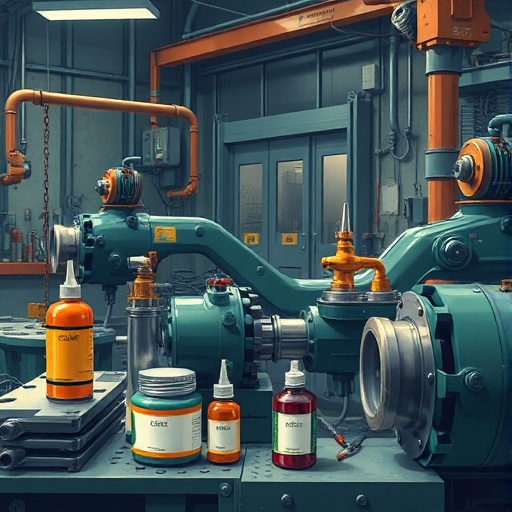
Insufficient lubrication manifests through telltale signs that demand immediate attention in industrial setups. Unusual noises, like squealing from dry threads or grinding in pumps, signal friction buildup on valves and cylinders. Overheating in hydraulic hoses or oil pumps indicates lubricant breakdown, risking o-ring failure. Increased vibration points to worn bearings lacking grease from clogged fittings, while visible wear on machine screws and gland nuts shows inadequate film strength. Darkened or gritty lubricant samples reveal contamination, compromising lubrication systems. Energy spikes in motors suggest higher resistance from unlubricated parts. Early detection via routine inspections prevents escalation, preserving teflon coatings and overall machinery health. Addressing these cues promptly restores industrial lubrication efficiency, averting costly repairs and downtime that plague operations.
How to Address Lubrication System Failures
Lubrication system failures require systematic diagnosis and swift correction to minimize impact. Start by isolating the issue: check pumps for blockages or low pressure affecting valves and cylinders. Purge lines to clear debris from hydraulic hoses, then test flow rates to ensure oil reaches threads and o-rings. Replace degraded synthetic oils or grease in fittings, verifying compatibility to avoid further damage on machine screws. For automated systems, recalibrate sensors and motors, while manual tools might need seal replacements on gland nuts. Conduct root cause analysis—perhaps contamination or overuse—and implement filters for prevention. Professional audits refine lubrication technology, turning failures into fortified processes. This proactive troubleshooting sustains industrial grease and oil performance, ensuring resilient operations across the board.
Best Practices for Maintaining Valves, Pumps, and Threads
Maintaining valves, pumps, and threads involves targeted practices that sustain industrial lubrication integrity. For valves, apply light grease to stems regularly, preventing sticking while checking seals for o-ring wear. Pumps benefit from filtered lubricants to avoid impeller damage, with routine disassembly cleaning threads and housings. Use torque specs on machine screws during reassembly to secure gland nuts without over-tightening. Hydraulic components like hoses demand pressure tests post-lubrication, ensuring no leaks compromise cylinders. Incorporate teflon tapes on threads for leak-proof connections, and schedule flushes to remove buildup in oil pumps. Monitor temperature and vibration for early warnings, adjusting lubrication solutions accordingly. These best practices, rooted in lubrication systems expertise, extend service intervals, enhance safety, and optimize performance in demanding environments.
See Also
- Innovative Lubrication Solutions for Valves and Pumps
- The Hidden Role of Grease Fittings in Efficient Hydraulic Systems
- Understanding the Importance of O-Rings in Lubrication Systems
- The Future of Lubrication Technology in Heavy Machinery
- Grease vs Oil What You Need to Know for Industrial Applications