Essential Personal Protective Equipment for Handling Acetone Tanks
Understanding Acetone and Its Risks
Properties of Acetone
Acetone stands out as a colorless, volatile liquid with a distinctive sweet odor that permeates industrial settings. This organic compound, often stored in 55 gallon drums or larger storage tanks, serves as a powerful solvent in paints, varnishes, and cleaning agents. Its low boiling point of 56 degrees Celsius allows rapid evaporation, making it highly flammable and prone to ignition from sparks or open flames. Acetone flows easily due to its low viscosity, unlike more viscous liquids, which demands careful handling during transfers via pumps. Industries favor polyethylene or fiberglass containers for its storage because these materials resist corrosion from this aggressive chemical. Plastic barrels provide a lightweight alternative to metal ones, though they require inspection for cracks. Understanding these properties—its liquid state, quick evaporation, and compatibility with specific plastics—helps workers anticipate risks during routine operations like filling acetone storage tanks or using acetone gauges to monitor levels.
Health Risks Associated with Acetone Exposure
Workers face significant health risks from acetone exposure, ranging from mild irritation to severe systemic effects. Inhaling vapors irritates the eyes, nose, and throat, causing burning sensations and headaches that intensify with prolonged contact. Skin exposure leads to defatting and drying, potentially resulting in dermatitis or chemical burns if not addressed. High concentrations overwhelm the central nervous system, triggering dizziness, nausea, and confusion, which heighten accident risks in busy workplaces. Chronic exposure links to liver and kidney damage, underscoring the need for personal protective equipment like gloves and respirators. Monitoring workplace exposure through acetone level measurement tools ensures concentrations stay below OSHA limits of 250 parts per million. Insights from safety reports reveal that improper handling of acetone in storage tanks amplifies these dangers, especially during spills or when transferring from barrels to pumps. Vigilance prevents these health threats from disrupting operations.
Environmental Impact of Acetone Spills
Acetone spills pose serious environmental threats, contaminating soil, water, and air with their rapid spread due to low viscosity. As a volatile organic compound, acetone evaporates quickly but can infiltrate groundwater if released from underground storage tanks, harming aquatic life and disrupting ecosystems. Spills from 55 gallon drums or larger tanks release hydrocarbons that deplete oxygen in water bodies, suffocating fish and microorganisms. Polyethylene containers minimize leaks, yet accidents during pumping or gauge readings still occur. Regulatory bodies like the EPA classify acetone as hazardous, mandating spill containment to prevent bioaccumulation in food chains. Fiberglass tanks offer durability against corrosion, reducing long-term environmental risks compared to metal alternatives. Effective cleanup involves absorbent materials and neutralization, but prevention through regular inspections of storage tanks proves essential. Addressing these impacts safeguards communities and complies with environmental standards, ensuring sustainable industrial practices.
Personal Protective Equipment (PPE) for Handling Acetone
Essential PPE for Acetone Handling
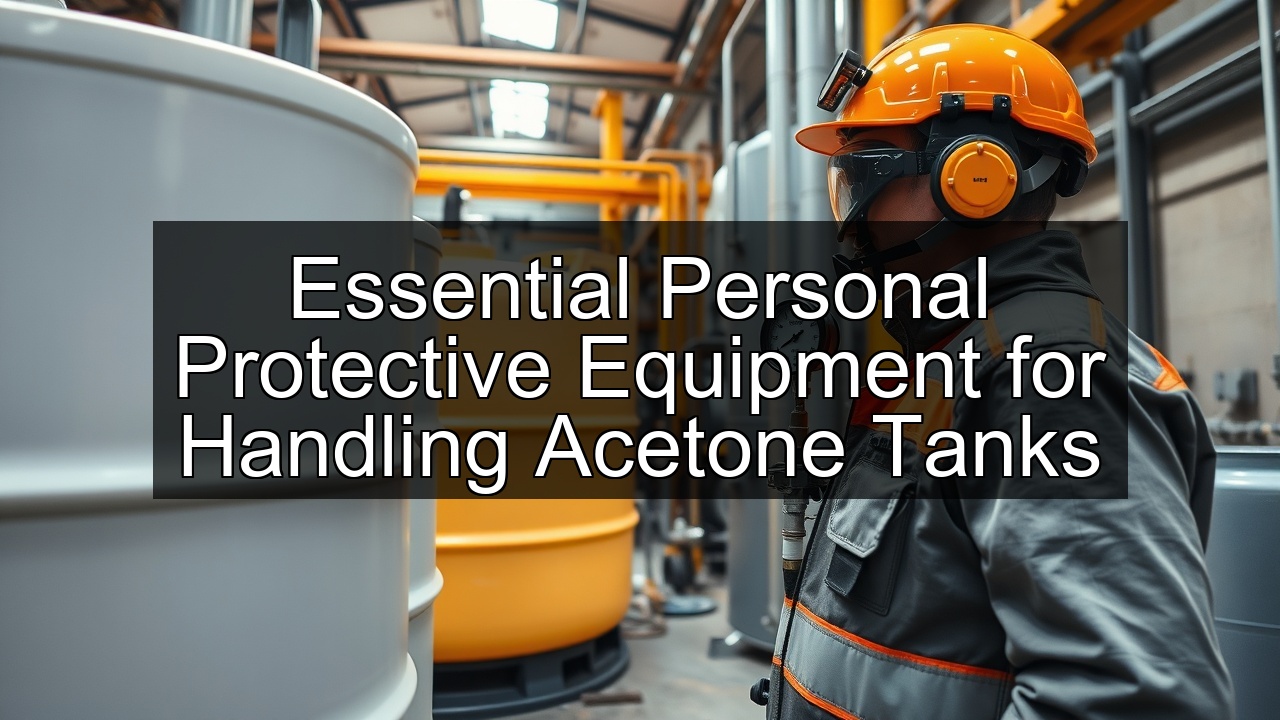
Personal protective equipment forms the frontline defense against acetone's hazards during tank handling. Workers must don chemical-resistant gloves, safety goggles, and full-body suits to shield skin and eyes from splashes. Boots with impermeable soles prevent foot exposure, while face shields add extra protection over goggles. For tasks involving acetone storage tanks, aprons made from neoprene or PVC block liquid penetration. These items, often stored near pumps and barrels, ensure safe interactions with this volatile liquid. Regulations from OSHA emphasize layering PPE for comprehensive coverage, especially when measuring levels with acetone gauges. Training equips employees to select gear based on exposure risks, integrating insights from hazard assessments. Proper PPE maintenance, like cleaning after use, extends usability and reliability, fostering a culture of safety that minimizes workplace incidents.
Choosing the Right Gloves and Clothing
Selecting gloves and clothing for acetone handling requires prioritizing materials that withstand its solvent properties. Nitrile or butyl rubber gloves offer superior resistance, outperforming latex which degrades quickly. Thickness matters—opt for 15 mil or thicker for prolonged contact during tank transfers. Clothing should include coveralls from Tychem or similar fabrics that repel liquids, avoiding cotton that absorbs acetone and heightens skin risks. Full-length sleeves and pants seal gaps, while hoods protect the neck. For operations near 55 gallon drums or underground storage tanks, layered ensembles provide redundancy. Insights from material compatibility charts guide choices, ensuring gear endures without compromising dexterity for tasks like operating pumps. Regular inspections detect wear, replacing compromised items to maintain protection. This deliberate selection reduces health risks and boosts confidence in handling acetone safely.
Importance of Respiratory Protection
Respiratory protection ranks critical for mitigating acetone vapor inhalation during tank management. Half-face respirators with organic vapor cartridges filter out fumes effectively, while powered air-purifying respirators suit high-exposure scenarios like confined spaces around storage tanks. Fit-testing ensures a tight seal, preventing leaks that could lead to dizziness or worse. In areas with poor ventilation, full-face masks combine eye and lung safeguards, essential when using acetone gauges or during spills. NIOSH-approved units comply with standards, and cartridges need replacement based on odor breakthrough or manufacturer guidelines. Training stresses donning procedures and recognizing limitations, such as not using in oxygen-deficient atmospheres. Insights from exposure monitoring reveal that consistent respiratory use drops workplace incidents dramatically. Integrating this PPE into daily routines protects lung health and upholds productivity in chemical environments.
Key Components of Acetone Storage Tanks

Types of Acetone Storage Tanks
Acetone storage tanks vary to suit industrial demands, with polyethylene models leading for their chemical resistance and lightweight design. These plastic tanks, often double-walled, prevent leaks and accommodate liquids like acetone without corrosion. Fiberglass-reinforced versions add strength for larger capacities, ideal for outdoor installations. Stainless steel tanks handle high volumes but require coatings to resist acetone's aggressiveness. Underground storage tanks bury discreetly, using cone-bottom designs for complete drainage via pumps. 55 gallon drums serve smaller needs, while horizontal or vertical cylindrical tanks fit space constraints. Each type integrates features like vents and fittings for safe pressure management. Selecting based on volume, location, and regulatory needs ensures efficient storage. Inspections confirm integrity, minimizing risks from this volatile liquid.
Role of Acetone Storage Tank Gauges
Acetone storage tank gauges play a pivotal role in maintaining safe and efficient operations by providing accurate level measurements. These devices, such as sight glasses or ultrasonic sensors, allow workers to monitor liquid volumes without opening tanks, reducing exposure risks. Float gauges with external indicators suit polyethylene tanks, offering visual insights into fill levels during transfers from barrels. Digital acetone gauges enhance precision for inventory control, alerting to overfills that could lead to spills. In fiberglass or underground storage tanks, pressure-based gauges detect anomalies early, preventing structural failures. Integrating these tools with pumps ensures controlled dispensing, avoiding overflows. Regular calibration keeps readings reliable, supporting compliance with safety standards. By delivering real-time data, acetone storage tank gauges optimize workflows and safeguard personnel from hazards associated with this flammable liquid.
Inspections and Maintenance of Storage Tanks
Inspections and maintenance routines keep acetone storage tanks reliable and hazard-free. Weekly visual checks scan for dents, leaks, or corrosion on polyethylene and fiberglass surfaces, while monthly tests verify gauge accuracy. Ultrasonic thickness measurements detect wall thinning in metal tanks, and hydrostatic testing confirms seal integrity for underground models. Cleaning involves flushing with compatible solvents to remove residues, preventing buildup that affects level measurement. Pumps and valves undergo lubrication and seal replacements to handle acetone's low viscosity smoothly. Documentation tracks findings, guiding predictive maintenance that extends tank life. Training ensures workers spot issues during routine handling of 55 gallon drums or larger units. These practices mitigate risks, comply with API standards, and prevent costly downtime from failures.
Effective Measurement and Monitoring Techniques
Understanding Acetone Storage Tank Gauges
Acetone storage tank gauges deliver essential data for safe management, with types like magnetic level indicators providing clear, external readings without direct liquid contact. These suit plastic and fiberglass tanks, resisting acetone's corrosive nature. Dipstick gauges offer simple manual checks for 55 gallon drums, though electronic versions with remote displays excel in larger setups. Understanding calibration involves zeroing at empty and full marks, accounting for acetone's expansion with temperature. Related tools like acetone container gauges ensure portability for smaller barrels. Workers gain insights from training on interpreting fluctuations, which signal leaks or evaporation. Integrating these gauges with alarm systems prevents overfills, enhancing overall monitoring. Reliable acetone storage tank gauges thus form the backbone of proactive safety in chemical storage.
Methods for Level Measurement in Storage Tanks
Level measurement methods for acetone storage tanks range from basic to advanced, each tailored to the liquid's properties. Sight tubes provide direct visual acetone level gauges, ideal for transparent polyethylene tanks but requiring guards against breakage. Radar sensors offer non-contact precision, penetrating fiberglass walls without interference from vapors. Capacitance probes detect changes in dielectric constants for viscous or low-viscosity liquids like acetone. For underground storage tanks, hydrostatic methods use pressure differentials for accurate readings. Pump integration allows automated shutoffs based on gauge inputs. Calibration against known volumes ensures reliability, addressing related searches like acetone level measurement techniques. These methods minimize human error, support efficient inventory, and reduce spill risks during transfers from barrels.
Workplace Exposure Monitoring Practices
Workplace exposure monitoring practices track acetone concentrations to protect employee health. Portable photoionization detectors provide real-time air sampling near storage tanks, alerting to spikes during gauge readings or pumping. Fixed sensors in high-traffic areas log data over shifts, integrating with acetone storage tank gauges for comprehensive oversight. Badges worn by workers quantify personal exposure, guiding PPE adjustments. OSHA mandates monitoring at least annually or after process changes, using methods like gas chromatography for lab validation. Insights from trends inform ventilation upgrades, keeping levels below 250 ppm. Training emphasizes recognizing symptoms and reporting anomalies. These practices foster a safer environment, preventing chronic effects from repeated liquid handling.
Best Practices for Acetone Management in the Workplace
Safe Handling and Storage Procedures
Safe handling and storage procedures for acetone minimize risks through structured protocols. Ground all equipment during transfers to prevent static sparks, especially with pumps moving liquid from 55 gallon drums to tanks. Store in well-ventilated areas away from ignition sources, using secondary containment for polyethylene or fiberglass units. Label tanks clearly with hazard warnings and capacity details, visible near acetone gauges. Limit quantities to essential needs, rotating stock to avoid degradation. Use explosion-proof tools for inspections, and secure underground storage tanks against tampering. These steps, combined with spill kits nearby, ensure compliance and efficiency. Workers trained in these procedures handle acetone confidently, reducing accident potential.
Emergency Response for Acetone Spills
Emergency response for acetone spills demands swift, coordinated action to contain and mitigate damage. Evacuate the area immediately and ventilate to disperse vapors, then don full PPE before approaching. Deploy absorbent booms around the spill to corral the low-viscosity liquid, preventing spread to drains or soil. Neutralize with vermiculite or soda ash, avoiding water that could spread flames. For larger incidents from storage tanks, shut off pumps and isolate gauges to assess volumes. Report to authorities per local regulations, and conduct post-incident reviews for improvements. Training drills simulate scenarios, building muscle memory. These responses limit health and environmental impacts, restoring operations quickly.
Training and Compliance for Employees
Training and compliance programs empower employees to manage acetone safely. Annual sessions cover PPE usage, gauge operation, and spill response, using hands-on demos with barrels and tanks. HazCom standards require SDS reviews, detailing risks and controls for this liquid. Certification in confined space entry applies to underground storage tanks, emphasizing level measurement safety. Audits verify adherence, with documentation proving OSHA compliance. Insights from incident analyses refine curricula, addressing gaps in exposure monitoring. Encouraging questions fosters engagement, turning knowledge into habit. Robust programs reduce liabilities and enhance workplace culture around chemical handling.